






















The Emergence of Film Noir
Film noir, a cinematic style characterized by its mood of pessimism, moral ambiguity, and fatalistic themes, emerged in the United States during the early 1940s. While its roots can be traced to earlier films and movement, its rise is closely tied to the socio-political landscape of the time. The world was emerging from the shadows of the Great Depression and entering the tumultuous period of World War II, which profoundly influenced societal attitudes and artistic expression.
Socio-Political Context: The Great Depression
The economic hardship of the Great Depression left many individuals disillusioned and struggling to find a sense of stability. This widespread anxiety found its way onto the silver screen, influencing the themes and characters of early noir films. Dark, cynical stories resonated with an audience grappling with uncertainty and fear.
Hollywood’s Response to War
As the United States entered World War II, the tone of American cinema began to shift dramatically. Propaganda films were abundant, portraying idealized versions of heroism and virtue. In stark contrast, film noir provided a pessimistic counter-narrative that reflected the complexities of life during wartime. Characters in noir films were often morally compromised, showcasing a stark departure from the clear-cut heroes of traditional Hollywood cinema.
The Influence of European Cinema
The influx of European filmmakers fleeing the rise of fascism contributed significantly to the development of film noir. Directors such as Fritz Lang and Billy Wilder, along with cinematographers who were well-versed in expressionism, brought innovative techniques and themes that were distinct from classic American styles. This blending resulted in a darker, more stylized approach to storytelling that defined the genre.
Visual and Thematic Elements of Film Noir
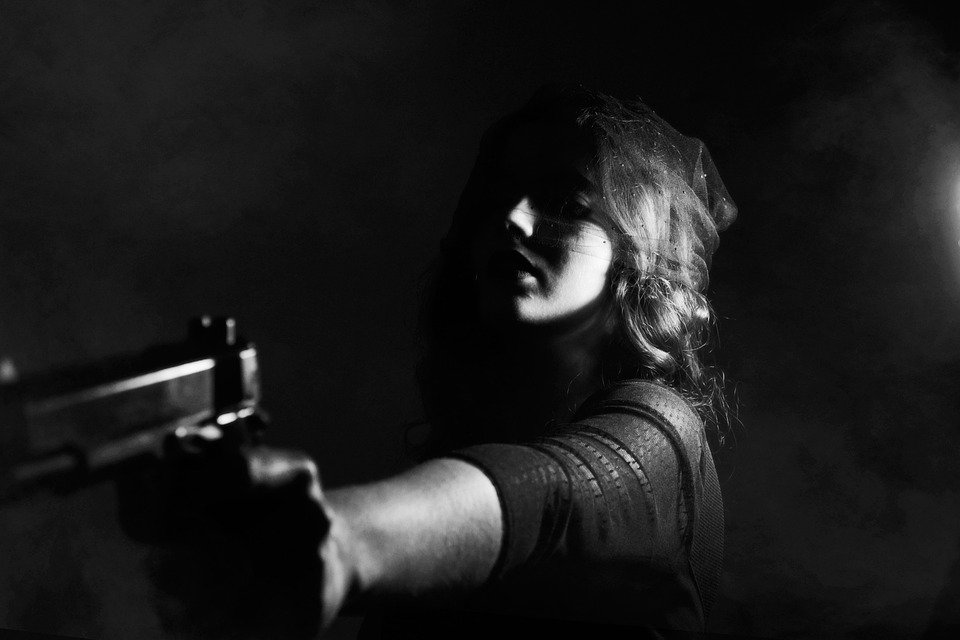
Film noir is often recognized for its distinctive visual aesthetics, incorporating high-contrast lighting, deep shadows, and unusual camera angles to evoke a sense of unease. These visual techniques were complemented by themes of betrayal, existential uncertainty, and the complexity of human nature. Central figures in many films were often antiheroes, reflecting a more realistic and nuanced portrayal of morality that resonated with contemporary audiences.
Key Figures in the Genre
Numerous directors and actors became synonymous with early film noir. Directors such as Orson Welles and John Huston produced seminal works that showcased the genre’s stylistic and thematic depth. Actors like Humphrey Bogart and Lauren Bacall not only defined their roles but also contributed to the iconography of film noir, becoming emblematic of its tension and allure.
Legacy and Influence
As film noir continued to evolve and influence subsequent generations of filmmakers, its impact on popular culture became undeniable. The dark themes and stylistic choices of early noir would inspire a plethora of genres, including neo-noir and crime thrillers. Today, the legacy of this golden age of cinema endures, continuing to captivate audiences worldwide.
Conclusion
The socio-political context that birthed film noir is as significant as the films themselves. By reflecting the complexities of human experience under duress, early film noir provided a unique lens through which audiences could engage with their own realities. Through its exploration of darkness, ambiguity, and moral complexity, film noir remains a powerful expression of the human condition.






