






















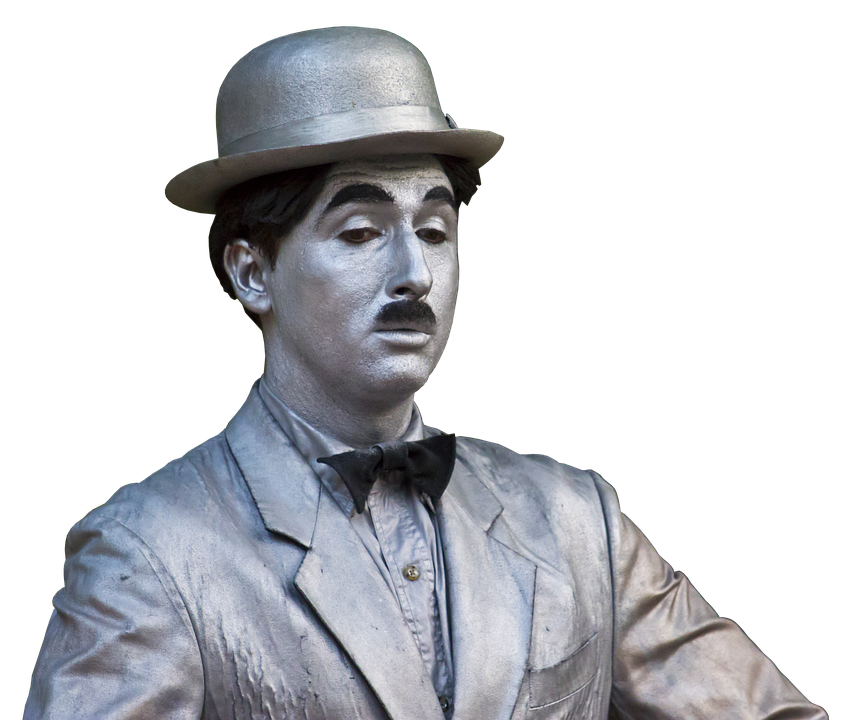
The Evolution of Visual Comedy
Visual comedy, characterized by the use of physical humor and visual gags, has been a vital aspect of cinema since its inception. Among the pioneers of this genre, Charlie Chaplin remains a towering figure whose innovative techniques and unique style have influenced countless filmmakers and comedians across generations.
Charlie Chaplin: A Brief Overview
Born in 1889 in London, Charlie Chaplin entered the world of entertainment at a young age. His career began in vaudeville, where his skills in physical comedy and mime developed. In 1914, he created the iconic character of the Tramp, a vagrant with a heart of gold, which would become a symbol of the silent film era and a hallmark of his comedic genius.
Innovative Techniques in Visual Comedy
Chaplin’s ability to convey complex emotions through simple gestures set him apart from his contemporaries. He effectively utilized several cinematic techniques that greatly contributed to the art of visual comedy:
- Physicality: Chaplin’s performances relied heavily on exaggerated movements and expressions. His mastery of mime allowed him to communicate without words, making his films accessible to audiences worldwide.
- Timing: Comedic timing is essential in visual gags, and Chaplin perfected this through meticulous planning and rehearsal. His timing enhanced the impact of physical comedy, ensuring audiences felt both the humor and the poignancy of his narratives.
- Simplicity in Storytelling: Chaplin often incorporated universal themes of love, struggle, and resilience into his films, utilizing simple plots that allowed for deeper emotional resonance amidst the laughter.
- Use of Props: Props played a critical role in Chaplin’s comedy. From the iconic cane to the oversized bowler hat, he used items as extensions of his character, further enhancing the visual humor.
Legacy and Influence on Contemporary Filmmakers
Chaplin’s influence extends far beyond his lifetime. His innovative approach to visual storytelling laid the foundation for many of today’s filmmakers, particularly those in the realm of comedy. Notable directors such as:
- Jacques Tati: Known for his meticulous visual style and use of sound in comedy, Tati’s films reflect a similar reverence for the physicality that Chaplin championed.
- Buster Keaton: Although a contemporary of Chaplin, Keaton’s work embodies the same blend of physical comedy and emotional depth, utilizing visual storytelling to express complex ideas.
- Mel Brooks: In his comedic films, Brooks drew on the absurdity that Chaplin masterfully employed, combining slapstick with social commentary.
- Pixar Animation Studios: While primarily associated with animated films, Pixar has often incorporated elements of visual comedy reminiscent of Chaplin’s silent film techniques, successfully engaging audiences of all ages through physical humor.
The Enduring Relevance of Chaplin’s Comedy
Charlie Chaplin’s ability to interweave humor with poignant social commentary ensures that his work remains relevant today. The themes of struggle and perseverance resonate with contemporary audiences, making his films timeless. Furthermore, the techniques he pioneered continue to be emulated by actors and directors who strive to evoke emotion through visual means.
Conclusion
As visual comedy evolves, the legacy of Charlie Chaplin endures. His innovative style and heartfelt storytelling serve as a bridge between the silent film era and modern cinematic techniques. By exploring the roots of visual comedy through Chaplin’s work, contemporary filmmakers continue to push the boundaries of laughter, proving that sometimes, the simplest gestures speak the loudest.






