






















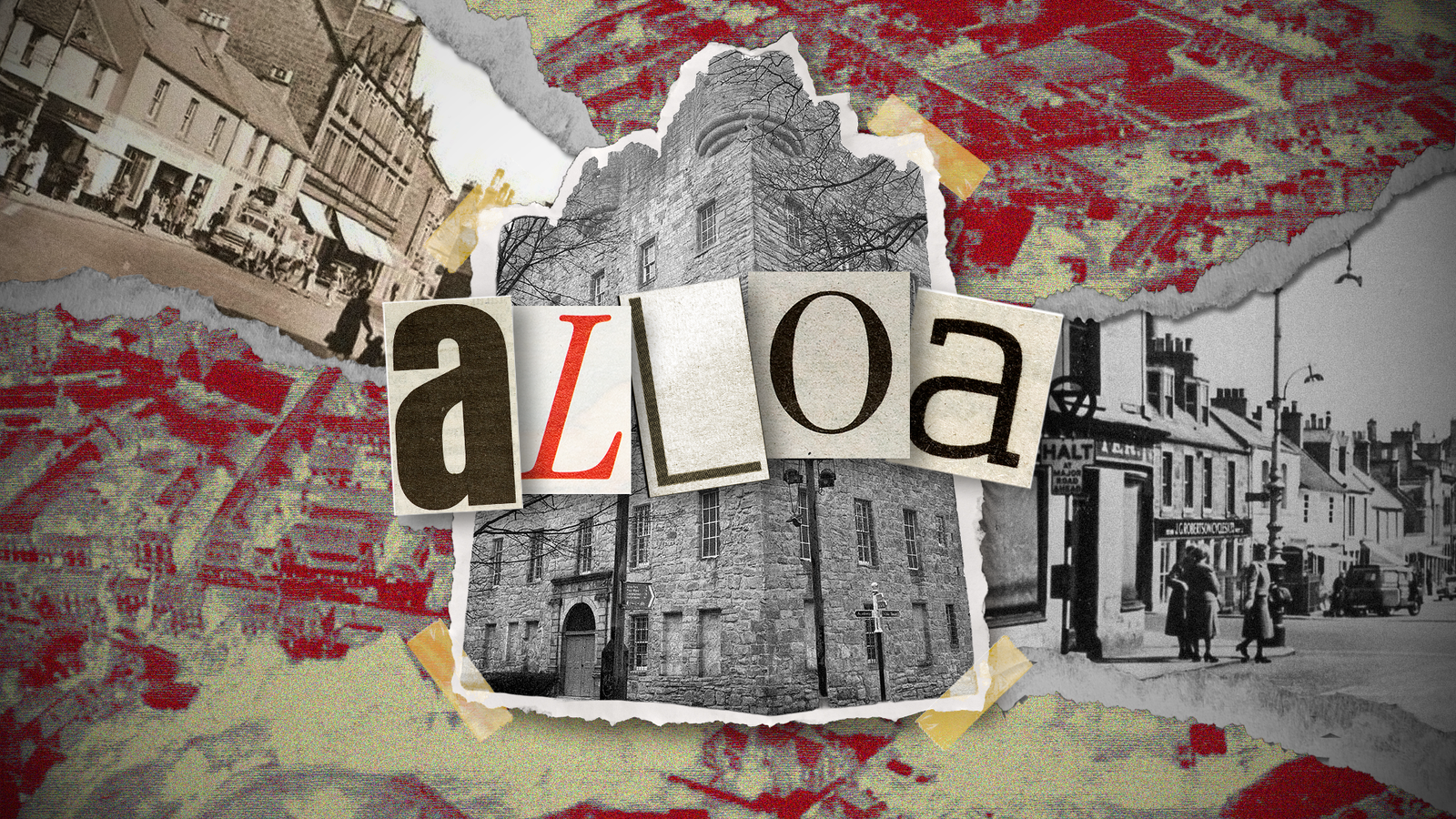
The Resilient Spirit of Alloa: From Industrial Heartland to Present-Day Challenges
Once hailed as a cornerstone of Scottish industry, Alloa, located in Clackmannanshire, has experienced a dramatic decline. Known today for its less-than-flattering reputation as one of the “most depressing” places to live, Alloa boasts a rich historical legacy that highlights its past significance during the Industrial Revolution.
A Glimpse into Alloa’s Prosperous History
Alloa flourished from the late 18th century until the early 20th century, thriving as a centre for brewing, coal mining, glassmaking, and textile production. Susan Yule, an archives management officer at Clackmannanshire Archives, noted that Alloa once ranked second only to Edinburgh in brewing prowess, with eight breweries operating at one time. The town also served as a crucial port by the 1750s, effectively transporting coal and facilitating trade.
The construction of an early waggonway in 1768 further enabled efficient coal transport from collieries to the port, allowing Alloa to export over one-third of Scotland’s coal production by 1775. This period marked an agricultural and industrial boom, demonstrating the town’s pivotal role in Scotland’s economic landscape.
Decline and Current Struggles
Despite its historical wealth and diverse industries, Alloa faced significant decline, particularly after the mid-20th century. As road transport gained prominence, the opening of Kincardine Bridge in 1936 diminished river traffic, which previously benefited Alloa’s port. The 1970s and 1980s saw a broader economic downturn, marked by the collapse of industries, including the well-known Patons and Baldwins, leading to rising unemployment and a declining quality of life.
In recent years, Alloa has faced negative perceptions. In 2024, an online survey labelled it as one of the “most depressing places to live” in the UK, and a subsequent article described it as “culturally devoid.” Critics argue that such assessments overlook the town’s vibrant community initiatives and cultural activities.
Community Revival Efforts
Despite its challenges, local efforts are underway to rejuvenate Alloa. Yule emphasized the dedication of community groups and local charities working to restore civic pride and cultural identity. Initiatives like the Alloa in Bloom project have received accolades, while organizations like Resonate Together are fostering emerging artists through creative festivals.
Exciting developments are also on the horizon. Clackmannanshire Council’s £71 million Wellbeing Hub project aims to enhance community spaces and offer facilities such as swimming pools and fitness suites. Additionally, plans for a heritage and enterprise centre are included, addressing the long-standing absence of a county museum.
Conclusion: Alloa’s Potential for the Future
Alloa’s journey from a vibrant manufacturing hub to its current state reveals both the fragility and resilience of post-industrial towns. With a rich history that contributed significantly to Scotland’s economy, Alloa’s future hinges on community engagement and strategic reinvestment in its cultural and social fabric. As local initiatives gain momentum, there is hope for the town to reclaim its identity and status within the wider context of UK history.
Background
Historically significant, Alloa was pivotal during the Industrial Revolution, showcasing the potential for industrial growth in Scotland. The town’s historical legacy underscores the importance of understanding economic and social transformations in post-industrial settings, making Alloa’s current challenges relevant to discussions about urban regeneration across the UK.
Source: Original Article






