






















Balanced nutrition is crucial for maintaining overall health and well-being. A well-rounded diet provides the body with essential nutrients, supports bodily functions, and contributes to optimal physical and mental performance. Understanding the importance of balanced nutrition can help individuals make informed dietary choices.
Components of a Balanced Diet
A balanced diet includes a variety of foods from different food groups. Each group provides specific nutrients that the body needs to function properly. The main components of a balanced diet are:
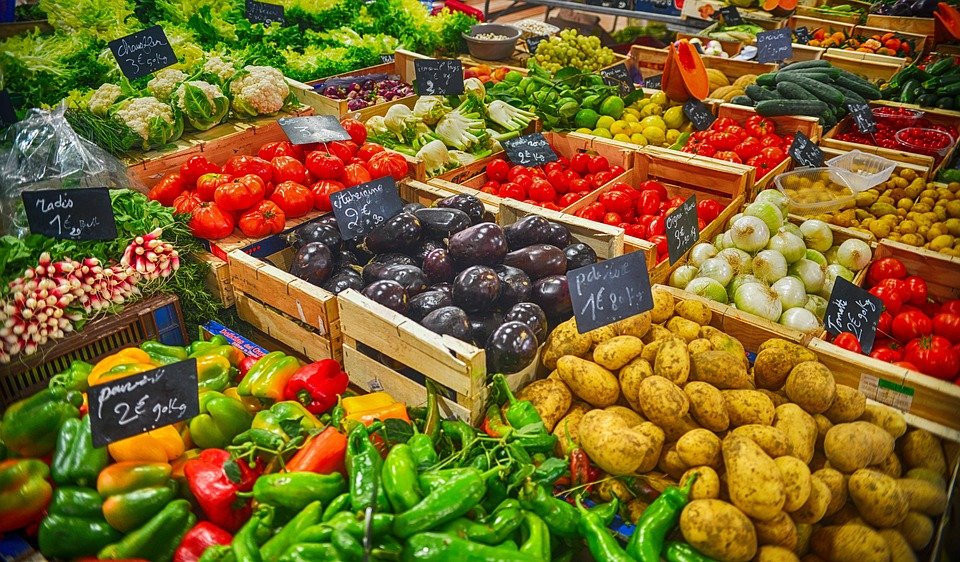
- Fruits and Vegetables: These foods are rich in vitamins, minerals, and fiber. They help support immune function and promote digestive health.
- Whole Grains: Foods like brown rice, whole wheat bread, and oats provide carbohydrates for energy, along with fiber that aids in digestion.
- Protein: Sources of protein include lean meats, poultry, fish, beans, legumes, nuts, and seeds. Protein is essential for building and repairing body tissues.
- Dairy or Dairy Alternatives: These foods provide calcium and other important nutrients. Options include milk, yogurt, and cheese, or fortified plant-based alternatives.
- Healthy Fats: Incorporating sources of healthy fats, such as avocados, olive oil, and fatty fish, can support heart health and other bodily functions.
The Role of Hydration
Staying adequately hydrated is a vital aspect of balanced nutrition. Water plays various roles in the body, including:
- Regulating body temperature
- Supporting digestion and nutrient absorption
- Transporting nutrients and oxygen to cells
- Removing waste and toxins from the body
It is important to consume sufficient fluids throughout the day to maintain hydration.
Benefits of Balanced Nutrition
Following a balanced nutritional approach offers numerous benefits, including:
- Improved energy levels and stamina
- Better mood and mental clarity
- Support for a healthy weight
- Enhanced immune function
- Reduced risk of chronic diseases, such as heart disease and diabetes
Practical Tips for Building a Well-Rounded Diet
Creating a balanced diet can be simple with a few practical tips:
- Plan Meals: Prepare a weekly meal plan that includes a variety of foods from all food groups.
- Be Mindful of Portions: Pay attention to portion sizes to avoid overeating while ensuring adequate nutrient intake.
- Choose Whole Foods: Opt for whole, minimally processed foods over highly refined products when possible.
- Experiment with Recipes: Try new recipes that incorporate different ingredients to keep meals interesting and diverse.
- Listen to Your Body: Recognize hunger and fullness cues to help guide eating habits.
Incorporating a variety of foods in appropriate amounts is key to achieving balanced nutrition. By prioritizing a well-rounded diet, individuals can support their health and wellness throughout their lives.






