






















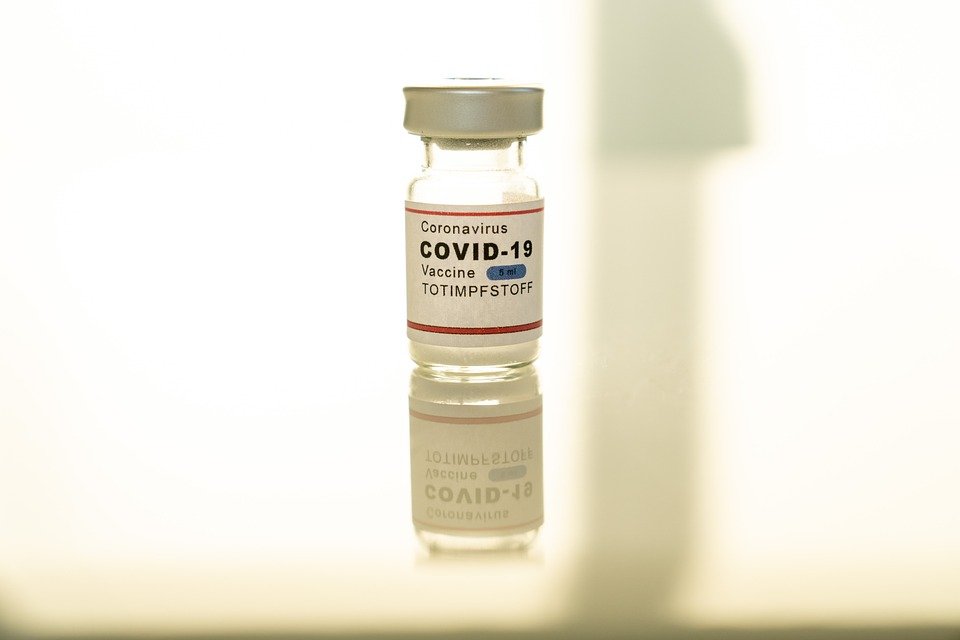
Vaccines play a crucial role in protecting individual and community health. They work by preparing the immune system to recognize and combat pathogens, such as viruses and bacteria, without causing the disease itself. This article provides a comprehensive overview of how vaccines contribute to immunity and overall public health.
How Vaccines Work
Vaccines typically contain a form of the pathogen, such as a weakened or inactivated virus, or a piece of the pathogen like a protein. When administered, they stimulate the immune system to produce a response. This response includes:
- Antibody Production: The immune system generates antibodies specific to the pathogen, which help neutralize it.
- T-Cell Activation: T-cells, a type of white blood cell, are activated to destroy infected cells and coordinate the immune response.
- Memory Cell Formation: After vaccination, the immune system retains a memory of the pathogen, allowing for a quicker and more effective response during future exposures.
The Importance of Immunity
Immunity refers to the body’s ability to resist and fight infections. Vaccines enhance immunity in various ways:
- Personal Protection: Vaccination reduces the risk of contracting diseases and minimizes severity if one does fall ill.
- Herd Immunity: Widespread vaccination contributes to herd immunity, protecting those who cannot be vaccinated, such as individuals with certain health conditions.
- Reduced Disease Transmission: Higher vaccination rates in the community lower the chances of disease spreading, benefiting public health.
Common Types of Vaccines
Several types of vaccines exist, each designed to provoke an immune response. Some common types include:
- Inactivated Vaccines: Contain killed bacteria or viruses, such as the seasonal flu vaccine.
- Live Attenuated Vaccines: Contain weakened forms of the pathogen, such as the measles, mumps, and rubella (MMR) vaccine.
- Subunit, Recombinant, and Conjugate Vaccines: Include pieces of the pathogen to elicit an immune response, such as the HPV vaccine.
Public Health Impact of Vaccination
Vaccination has significantly influenced public health, resulting in the control and elimination of various diseases. It supports community health by:
- Preventing Epidemics: Vaccines help to avoid outbreaks of infectious diseases by maintaining immunity levels in the population.
- Decreasing Healthcare Costs: By reducing the frequency of disease, vaccinations lower healthcare expenditures associated with treatment and hospitalization.
- Enhancing Life Quality: Vaccination leads to improved health outcomes and quality of life for individuals and communities.
Conclusion
The role of vaccines in building immunity is fundamental to personal and public health. By stimulating the immune response, vaccines equip the body to fight infections, ultimately leading to healthier communities. Understanding the function and benefits of vaccines is vital in promoting a culture of preventative health measures.






