Myanmar’s Elections: A Fragile Front for Military Control
Myanmar is gearing up for elections, yet the conditions surrounding them raise significant concerns. As the ruling military junta seeks to re-establish civilian governance, critics continue to label the elections as illegitimate, with the country mired in conflict and repression.
The Current Situation
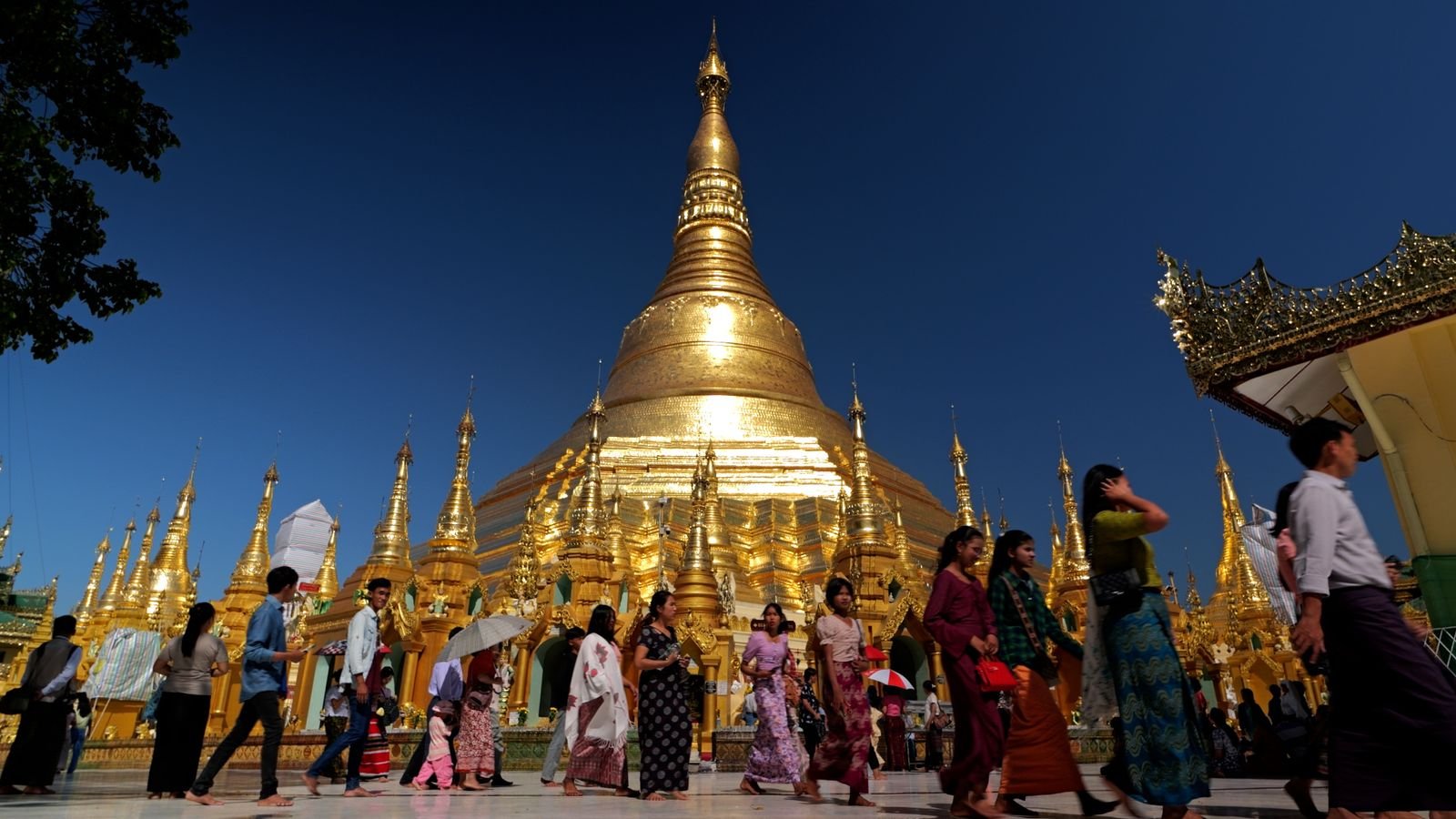
Yangon, often regarded as Myanmar’s vibrant centre, presents an image of normalcy that the military regime wishes to project. Market stalls bustle with activity, and Buddhist temples stand resplendent—a stark contrast to the realities many citizens face. The junta has permitted limited media access in preparation for elections, which it hopes will signify a return to civilian leadership after a coup in 2021.
Election Legitimacy Challenged
Amidst preparations, the credibility of the upcoming elections has been widely questioned. Tom Andrews, the United Nations Special Rapporteur on Human Rights for Myanmar, has characterized the polls as “sham elections.” Various human rights organizations and government leaders echo this sentiment, condemning the electoral process.
Since seizing power nearly five years ago, the junta has imprisoned countless opponents, with Aung San Suu Kyi—the nation’s last democratically elected leader—serving as a prominent figure among the incarcerated. Her party, the National League for Democracy (NLD), has been dissolved, eliminating a significant potential challenger in the elections.
Conflict and Control
The coup has ignited a civil war, leading to intense fighting between the junta and various ethnic armed groups, as well as civilian resistance movements. Consequently, many communities are expected to be unable to participate in the elections due to ongoing violence. Voters will see options on the ballot, but none provide authentic opposition to the ruling military.
The Union Solidarity and Development Party (USDP), closely tied to the junta, is anticipated to dominate the elections. Although candidates like San San Htay attempt to present a façade of democracy, public sentiment reveals fear and silence within the populace regarding the electoral process.
Public Sentiments and Fear
While campaigning, USDP candidate San San Htay expressed optimism, claiming to have received positive feedback from constituents about their desires for future governance. However, conversations with local residents tell a different story. Many express uncertainty and fear surrounding the electoral process, with reports of muted political discussions within communities, as individuals remain hesitant to speak out against the government.
One local woman remarked, “In my neighbourhood, nobody talks about the election. People are scared, that’s why they don’t speak up, because of the government.”
Violence and Its Impact
The junta’s actions extend beyond curbing free speech; ongoing airstrikes and military offensives contribute to escalating violence in areas resistant to military control. Recent footage revealed bombings that resulted in civilian casualties, including an airstrike on a hospital in the Rakhine state.
Commander Tin Oo of the People’s Defence Force, a civilian-led group opposing the junta, reported increased military aggression, saying, “They’re trying to intimidate and terrify the people.” He provided a bleak assessment as polling opened, asserting that the conflict is far from over and casting doubt on any anticipated change following the elections.
Background
The military coup in 2021 abruptly ended a decade of cautious democratic reforms, leading to widespread protests that the regime met with violence. The international community has largely condemned the junta’s use of force and its erosion of civil liberties. The approach from the junta seeks to present a semblance of returning to normalcy, yet the prevailing atmosphere suggests otherwise.
Looking Ahead
As election day approaches and votes are set to be counted at the end of January, many remain skeptical about the impact of these polls. International observers fear that a superficial return to civilian rule may only serve to reinforce an oppressive military regime. The situation in Myanmar remains critical, with widespread humanitarian implications as the conflict intensifies.
Source: Original Article