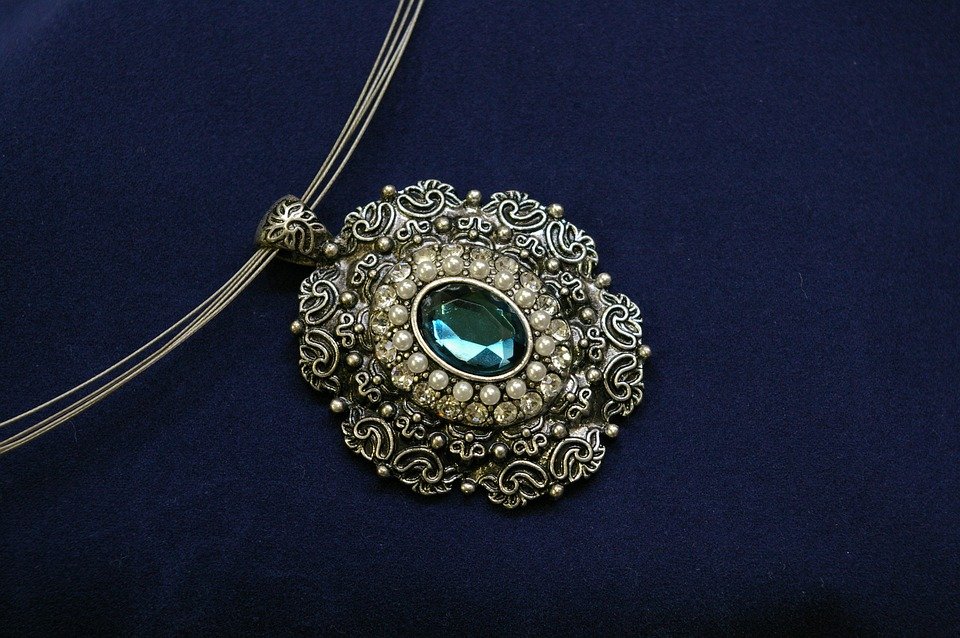
Layering is an essential technique in the world of fashion that extends beyond clothing to include accessories, particularly jewellery. The art of layering jewellery allows individuals to express their personal style while enhancing their outfits. This article explores the principles, historical contexts, and styling concepts that make jewellery an instrumental component in elevating wardrobe choices.
The Importance of Accessorizing
Accessorizing with jewellery serves multiple purposes. It can add a finishing touch, reflect personal identity, and create visual interest. When done thoughtfully, layered jewellery can transform a simple outfit into a statement.
Historical Context
The practice of accessorizing with jewellery dates back to ancient civilizations. From ornate gold necklaces worn by Egyptian royalty to the delicate silver bracelets of the Victorian era, jewellery has always symbolized status and personal expression. Renowned designers such as Coco Chanel were pivotal in introducing the idea of layering in fashion. Chanel’s iconic multi-stranded pearls broke the conventional styling norms of the time, encouraging a more relaxed, yet luxurious approach to accessorizing.
Layering Principles
Effective layering of jewellery is governed by certain principles that can enhance any outfit:
- Balance: Consider the proportions of each piece. Pair chunky necklaces with delicate chains to create a harmonious look.
- Variety: Mix different textures, materials, and styles. Combining gold and silver, or contrasting edgy pieces with vintage finds, adds depth to the ensemble.
- Placement: Layering requires strategic placement. For necklaces, drape shorter pieces closer to the neck and let longer pieces hang lower for a cascading effect.
- Color Coordination: Follow a cohesive color palette to ensure pieces complement rather than clash. This could be through synonymous metal tones or coordinated gemstone colors.
Styling Concepts
Layering jewellery can be approached in several styling contexts:
- Casual Attire: For a laid-back look, opt for casual, everyday pieces. Stacking simple bangles or layering dainty necklaces can enhance a t-shirt and jeans combination without overwhelming it.
- Formal Wear: In formal settings, statement pieces can elevate an elegant dress. Consider pairing a simple gown with bold earrings and a layered necklace to add sophistication.
- Bohemian Vibes: The bohemian style encourages maximalist layering. This approach often includes mixing different materials, such as leather, wood, and metal, to create a free-spirited aesthetic.
Influential Designers and Their Contributions
Throughout history, many designers have emphasized the importance of jewellery in their collections. For example, the legendary House of Dior was known for elaborating on the concept of statement accessories, particularly through their dramatic use of brooches and necklaces. Similarly, Alexander McQueen’s collections often featured layered accessories that conveyed uniqueness and grandeur, pushing the limits of traditional jewellery styling.
Conclusion
The art of layering jewellery is a refined skill that allows for personal expression and creativity. By understanding historical influences, employing effective layering principles, and employing various styling concepts, individuals can elevate their wardrobe choices and create looks that are distinctly their own. Jewellery not only complements outfits but also serves as a canvas for individual storytelling in fashion.