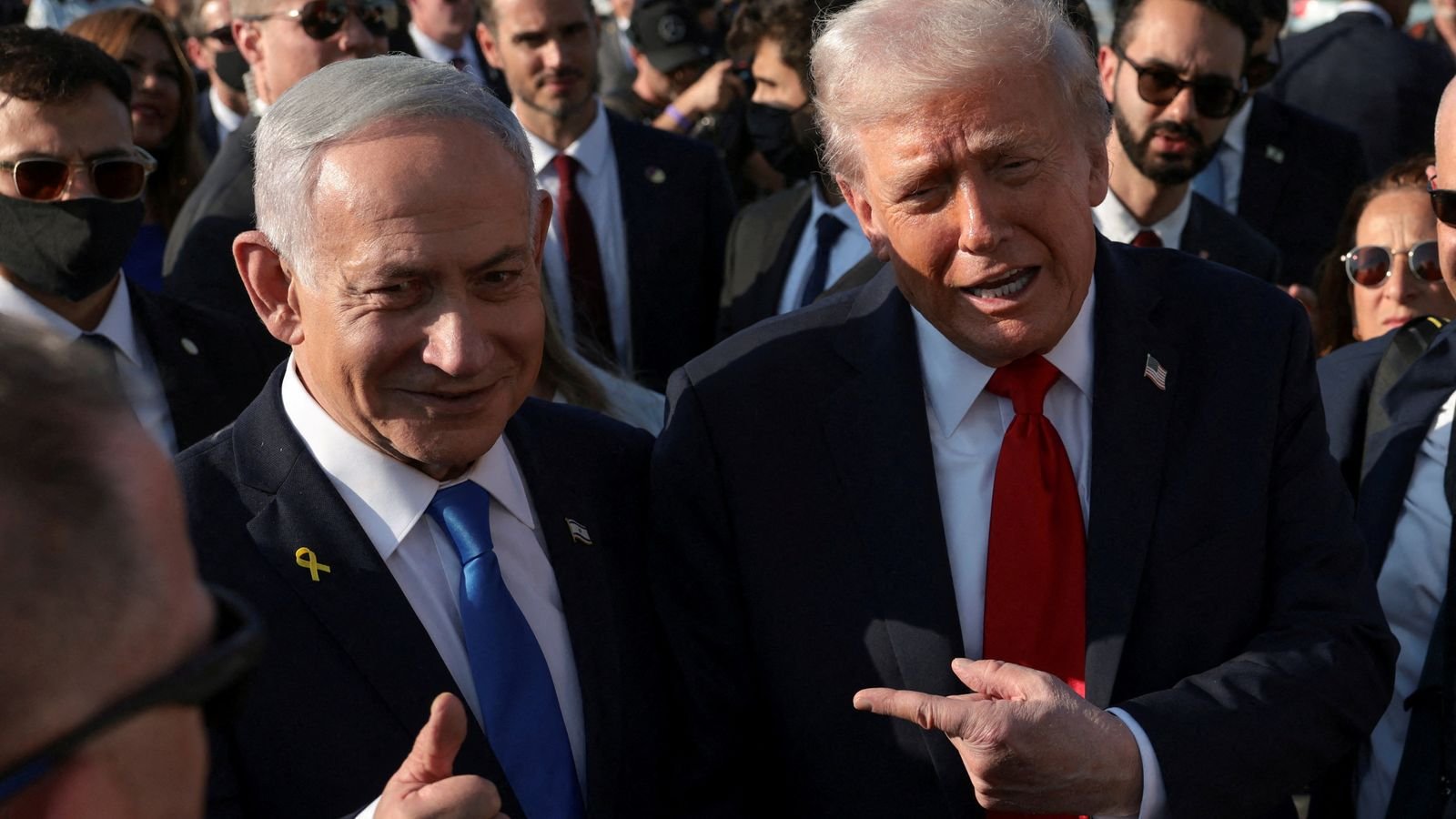
Netanyahu Meets Trump: Key Middle East Issues on the Agenda
Israeli Prime Minister Benjamin Netanyahu is en route to Florida for discussions with US President Donald Trump. Central topics of their meeting will include the ongoing situations in Gaza, Iran, and Lebanon, amidst escalating tensions in the region.
Gaza: Demilitarisation and Peace Plans
The White House is anticipated to seek clarity on the next steps of Trump’s peace initiative concerning Gaza. This plan advocates for the establishment of a Palestinian technocratic government and aims to demilitarise the territory through an international force comprising foreign soldiers.
Netanyahu has indicated that several countries, including Indonesia, are willing to contribute troops for deployment in Gaza. However, he is expected to resist any disarmament proposal that excludes the Israel Defence Forces (IDF) from the equation.
In comments preceding the meeting, Israel’s Defence Minister Israel Katz asserted, “We are deep inside Gaza and we will never leave Gaza, there will be no such thing. We’re there to defend, to prevent what happened in the past.” Despite a declared ceasefire, Israeli airstrikes have continued in Gaza, resulting in significant casualties, with over 400 fatalities recorded since October 10.
Concerns Regarding Iran
During the meeting, Netanyahu is also likely to urge for intensified military actions against Iran, stressing the importance of addressing its nuclear programme. This stance may conflict with Trump’s previous foreign policy priorities, particularly following the president’s strong push to end hostilities between Israel and Iran earlier this year.
Focus on Lebanon
The discussions will further explore the situation in Lebanon, where Israeli military operations have persisted. Reports indicate that Israel has continued bombardments in southern Lebanon, including strikes on Beirut, raising concerns about the implementation of any ceasefire agreements.
Netanyahu is expected to provide Trump with intelligence to strengthen Israel’s military operations against Hezbollah, the Lebanese militant group, which remains a significant security threat in the region.
Background
The meeting holds weight not just for Israel and Palestine but also for the broader geopolitical landscape, as US-Israeli relations impact security dynamics in the Middle East. Recent tensions have underscored the precarious nature of peace efforts in the region, necessitating urgent international dialogue.
As Netanyahu and Trump convene, the outcomes could set important precedents for future interactions in a region marked by conflict and instability.
Source: Original Article