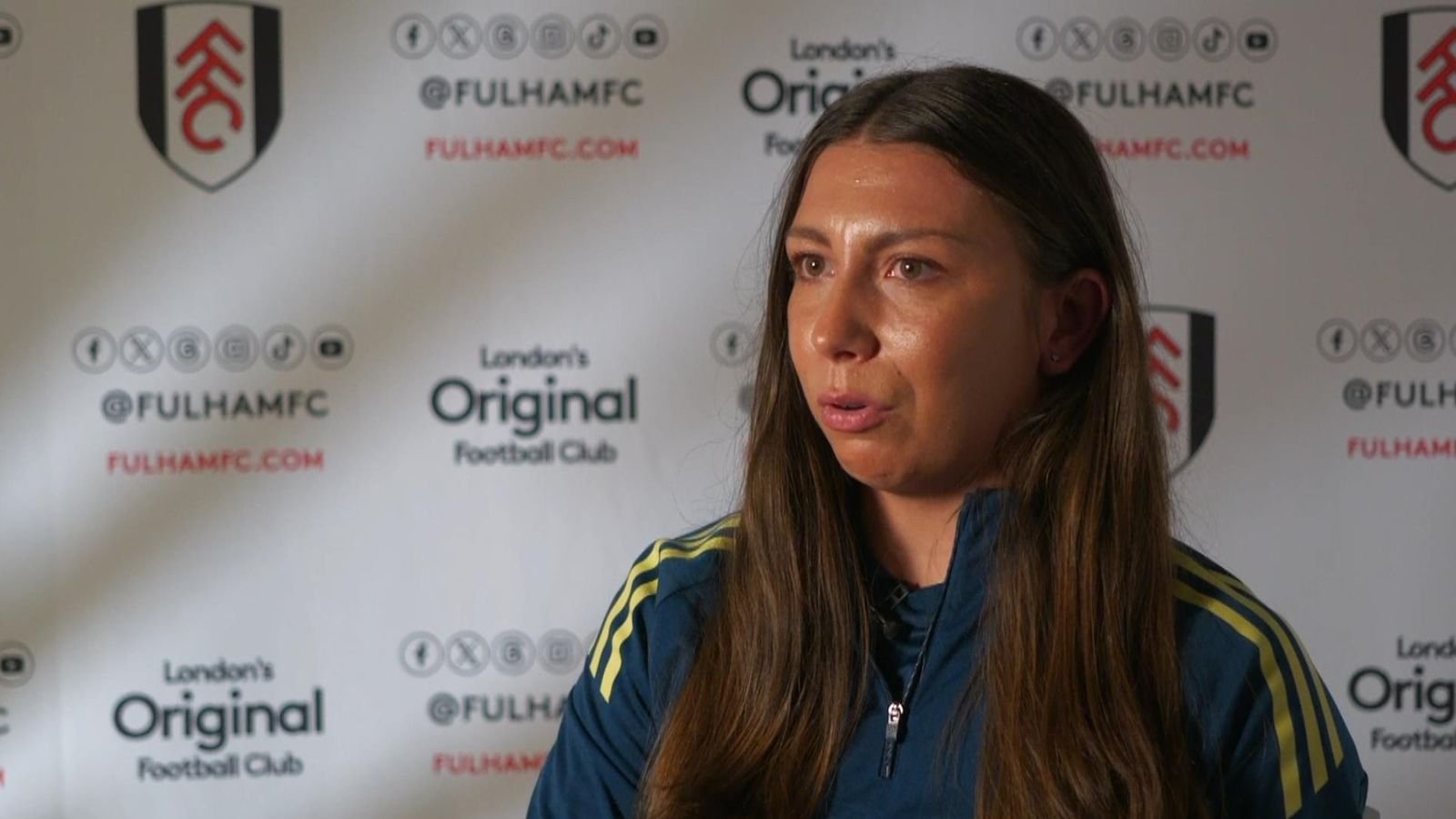
Fulham’s Beau Parker Faces Struggles Following Second ACL Injury
Fulham footballer Beau Parker is confronting the emotional toll of a second anterior cruciate ligament (ACL) injury, which has cast uncertainty over her sporting future. At just 24 years old, Parker candidly shared her fears about potentially retiring early, having faced a long rehabilitation journey reminiscent of her previous injury in 2023.
The Injury and Its Aftermath
Parker’s latest setback occurred in May during what was supposed to be a celebratory moment for both her and the team as they secured their title. This injury adds to the growing concern about the frequency of ACL injuries among female footballers. She expressed her frustration, stating, “I just don’t want that to happen again and just have to be retiring at the age of 24 – it’s just ridiculous.”
Disproportionate Impact on Women
Statistical data indicates that female footballers are significantly more likely to sustain ACL injuries compared to their male counterparts. In the current season, there are eight players in the Women’s Super League (WSL) facing similar injuries, whilst only three male players in the larger Premier League are affected. This raises concerns about the physical demands and injury risks in women’s football.
Research Initiatives
To address this alarming trend, Kingston University is conducting research supported by FIFA to understand why female players are at a heightened risk. Current studies focus on biomechanics and hormonal influences, investigating whether factors like oestrogen and progesterone correlate with injury rates. Parker’s team and WSL champions Chelsea are collaborating in this research effort.
Identifying Contributing Factors
Simon Augustus, a senior lecturer at Kingston University specialising in biomechanics, highlighted various elements contributing to the injury rates, including hormonal variations during menstrual cycles, the types of pitches used, and differences in neuromuscular activation among male and female athletes. He posits that a combination of these factors could be responsible for the disparity.
Creating a Path Forward
With the Women’s World Cup set to take place in the UK in 2035, there is an urgent call for football authorities to find solutions. FA director of women’s football, Sue Day, emphasised the necessity for further research to bridge the gaps in understanding within female sports, particularly regarding ACL injuries and the physiological effects of menstruation.
A Hopeful Outlook
Parker aspires to make a comeback by March and is eager to explore preventive measures against future injuries. The prolonged rehabilitation process can be daunting, extending from nine to twelve months. She acknowledges the reality of sports injuries but is focused on ways to enhance her resilience.
Background
The rising incidence of ACL injuries among female players has sparked concern across the sports community. This trend, compounded by a lack of targeted research, calls for immediate action to safeguard the future of women’s football in the UK and beyond.
Source: Original Article