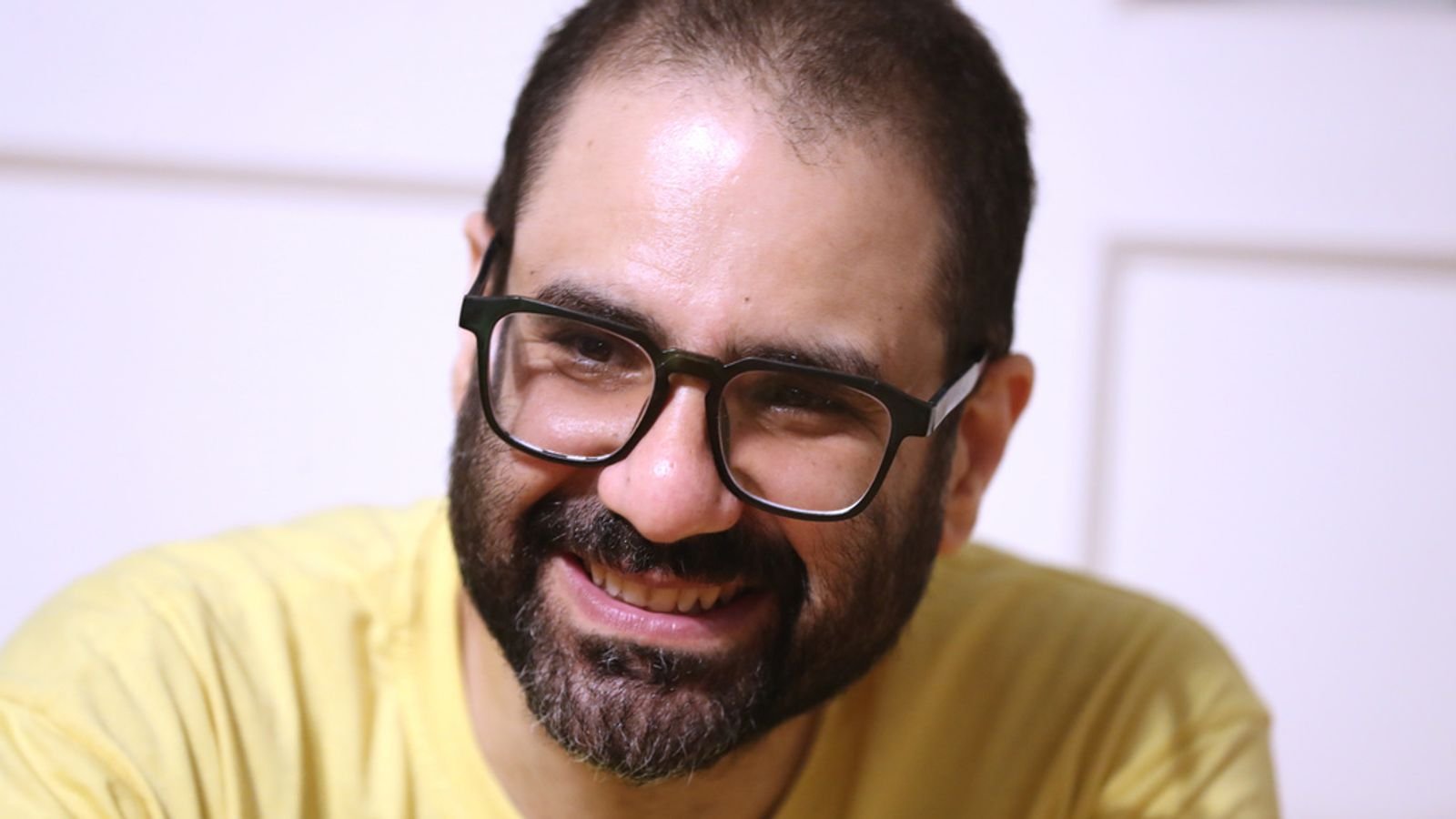
British-Egyptian Activist Apologises for Controversial Tweets Following Return from Imprisonment
Alaa Abd El-Fattah, a British-Egyptian activist, has publicly expressed remorse for past social media comments that have resurfaced, including statements suggesting violence against “Zionists.” He has described these tweets as “shocking and hurtful,” though he contends that some have been misinterpreted. This admission follows his recent return to the UK after years of imprisonment in Egypt.
Activist’s Return and Apology
Abd El-Fattah’s statement came shortly after he reunited with his family in the UK on Boxing Day, marking the first such meeting in 12 years. In his remarks, he conveyed his distress at the timing of the social media revelations, which he felt undermined his integrity on a day intended for family celebration.
“I see how distressing those tweets are now, and for that, I unequivocally apologise,” Abd El-Fattah said. He highlighted that most of these posts originated from a period of youthful anger amid regional turmoil and highlighted police violence against Egyptian youth.
Background on Imprisonment
Abd El-Fattah has been an influential figure since participating in Egypt’s 2011 Arab Spring protests. However, his activism led to multiple arrests, with a recent five-year sentence handed down in 2021 for accusations of spreading false information. His imprisonment drew significant international criticism, including calls from both Conservative and Labour UK governments for his release.
Earlier this year, he was pardoned by Egyptian President Abdel-Fattah el-Sisi, prompting his return to the UK where he plans to celebrate his son’s birthday for the first time since his imprisonment began.
Controversial Social Media Activity
The resurfacing of Abd El-Fattah’s historic tweets has triggered calls from political figures in the UK for an inquiry into his citizenship status. Conservative Party leader Kemi Badenoch and others have suggested that there should be consequences for his remarks, which raised concerns regarding antisemitism.
In response to these allegations, Abd El-Fattah indicated that he takes such claims seriously. He defended himself by asserting that some of his posts had been misinterpreted, including one which he claimed was intended to mock homophobia rather than promote it.
Ongoing Support and Human Rights Advocacy
Despite the controversy surrounding his past statements, Abd El-Fattah has maintained a commitment to human rights. He pointed out that he has long advocated for equality and justice, even in the face of personal risk. His earlier efforts included speaking out against anti-Semitic rhetoric and supporting LGBTQ rights and the rights of Egyptian Christians.
He expressed disappointment at seeing former supporters now questioning their advocacy on his behalf, stating, “Whatever they feel now, they did the right thing… Standing up for human rights and a citizen unjustly imprisoned is something honourable.”
Government Response
The UK government has stated that securing Abd El-Fattah’s release had been “a long-standing priority” under various administrations. However, it also condemned his past social media posts, describing them as “abhorrent.” Prime Minister Keir Starmer was reportedly unaware of these statements during his public celebration of Abd El-Fattah’s return to the UK.
Conclusion
As Abd El-Fattah navigates his reintegration into family life and the UK community, the implications of his past social media activity continue to unfold, raising significant questions regarding free speech, activism, and the responsibilities of public figures.
Background
Abd El-Fattah’s activism and subsequent imprisonment have garnered global attention over the years, positioning him as a critical voice in discussions about human rights and political freedoms in Egypt and beyond.
Source: Original Article