






















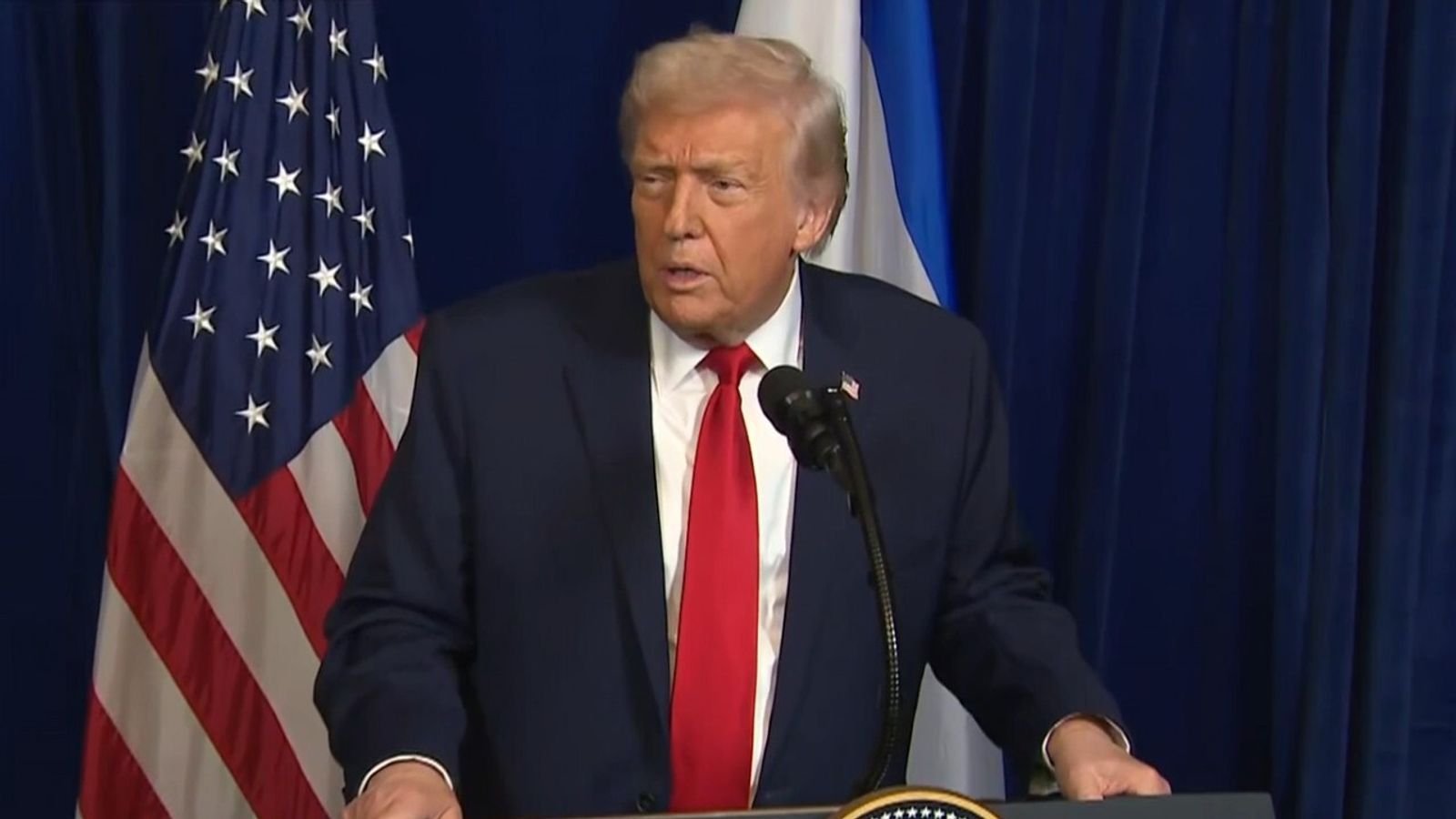
Trump’s Diplomacy in Palm Beach: Key Takeaways from Recent Meetings
In a whirlwind two-day diplomatic engagement in Palm Beach, former President Donald Trump held significant discussions with Israeli Prime Minister Benjamin Netanyahu and Ukrainian President Volodymyr Zelenskyy, resulting in a mix of promises and controversial remarks. The meetings have raised questions about future U.S. foreign policy and its implications on global relations.
Middle East Focus: Netanyahu’s Visit
Netanyahu’s visit was framed as a success by his spokesman, highlighting several commitments made by Trump. These included:
- A commitment to potentially bomb Iran again if intelligence indicates Iran is rearming.
- An assertion that Hamas is solely responsible for the ongoing issues with the Gaza ceasefire.
- Praise for Netanyahu, positioning him as an essential leader for Israel—a move likely to resonate in future election campaigns.
- A request for Israel’s president to pardon Netanyahu concerning corruption charges.
Trump’s statements suggest a hawkish approach towards Iran and Hamas, and they beg the question of how this could impact U.S. foreign policy if he were to return to office in the upcoming 2026 elections.
Controversial Remarks on Global Issues
During press interactions, Trump made various unfiltered remarks, including admitting to ordering military action in Venezuela, a notable escalation in U.S. military involvement. Additionally, when questioned about escalating military tensions between China and Taiwan, Trump brushed off concerns, stating, “Nothing worries me.”
Ukraine: A Complex Relationship
The meeting with Zelenskyy has implications for Ukraine’s future stability. Ukrainian officials expressed satisfaction with the security guarantees offered by Trump, although they remain cautious about their sustainability. Notably, Trump held phone conversations with Russian President Vladimir Putin surrounding this meeting, bringing an unexpected dimension to U.S.-Russia relations.
Trump claimed that Putin informed him of an alleged Ukrainian attack on one of his residences. However, Ukrainian officials have disputed this claim, suggesting it may have been a strategic distraction intended to complicate peace negotiations. Such interactions underscore the intricate web of diplomacy surrounding the ongoing conflict in Ukraine.
Background
This series of meetings occurs against the backdrop of shifting global dynamics. With elections approaching in the U.S., both adversaries and allies are likely strategizing based on how they perceive Trump’s intentions and priorities. His past tendency to lean towards unconventional foreign policy approaches has raised eyebrows worldwide.
As the potential 2026 elections draw closer, it remains to be seen whether these recent statements and commitments will materialize into tangible policies or actions. Trump’s balancing act between domestic issues and international responsibilities will undoubtedly be scrutinised by both the American electorate and global leaders alike.
In this rapidly evolving situation, observers are left to wonder what direction Trump’s foreign policy might take if he were to reclaim the presidency, particularly as he navigates complex relationships with allies like Israel and Ukraine, as well as adversaries like Iran and Russia.
Source: Original Article






