






















The Role of Music in Film
Music has long served as a powerful tool in storytelling, enhancing emotional depth and engagement in cinema. From the earliest silent films, where live musicians created aural landscapes, to contemporary scores, the role of soundtrack in evoking emotion is undeniable.
The Classical Foundations of Film Scoring
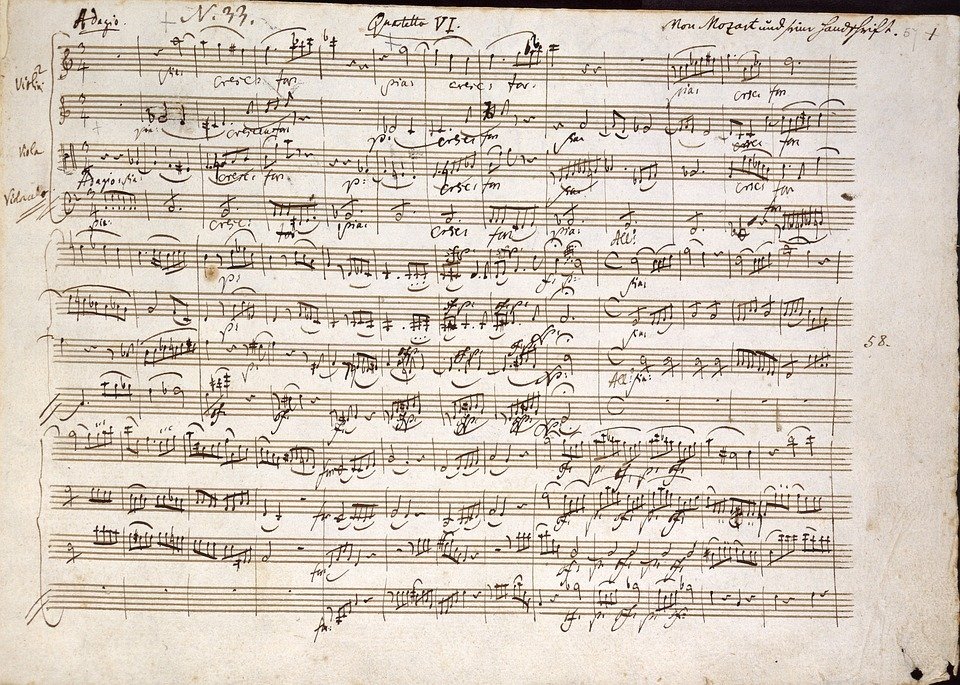
The roots of film scoring can be traced back to the classical music tradition. Composers such as Johann Sebastian Bach and Wolfgang Amadeus Mozart laid the groundwork for thematic development, harmonic progressions, and emotional expression that would later be utilized in film. Early filmmakers recognized the importance of music in conveying mood, setting tone, and enhancing narrative.
Early Film Techniques and Innovations
In the silent film era, directors like D.W. Griffith and Sergei Eisenstein employed visual storytelling techniques that paired seamlessly with live musical accompaniment. This synchronization laid the groundwork for more sophisticated soundtracks. The advent of synchronized sound in the late 1920s, exemplified by “The Jazz Singer,” brought a new dimension to film music, allowing composers to integrate scores directly into the narrative framework.
The Golden Age of Hollywood
The Golden Age of Hollywood (1930s-1960s) marked a significant evolution in film scoring. Composers like Max Steiner, Erich Wolfgang Korngold, and Bernard Herrmann transformed how music was integrated into films. Steiner, known for his work on “Gone with the Wind,” pioneered the use of motifs associated with characters and themes, which became a defining characteristic of cinematic music.
- Max Steiner: Often referred to as the “father of film music,” his use of orchestral scores brought emotional weight to narrative arcs.
- Bernard Herrmann: Known for his collaborations with Alfred Hitchcock, his scores for films like “Psycho” and “Vertigo” created palpable tension and emotion.
The Influence of European Cinema
The exploration of soundtracks was not confined to Hollywood. European filmmakers, particularly in the post-war era, began experimenting with music innovatively. Directors like Michelangelo Antonioni and Jean-Luc Godard incorporated contemporary music styles, such as jazz and rock, to challenge conventional storytelling and evoke specific emotional resonances. This experimentation allowed for a broader emotional range, influencing a generation of filmmakers.
Modern Approaches to Film Scoring
Today, composers like Hans Zimmer and Ennio Morricone draw on classical influences while integrating modern techniques, such as electronic music and sound design. Zimmer’s work in films like “Inception” showcases how layered soundscapes can evoke complex emotional reactions, while Morricone’s scores often emphasize melodic themes intertwined with emotional struggle.
Conclusion
Through the decades, the emotional landscape of film has been shaped profoundly by its musical score. From classical roots to innovative modern compositions, the contribution of music to film remains a testament to the enduring bond between sound and emotion. As we continue to explore this dynamic interplay, it becomes clear that music is more than just a backdrop; it is a vital storyteller that enhances our connection to the cinematic experience.






