






















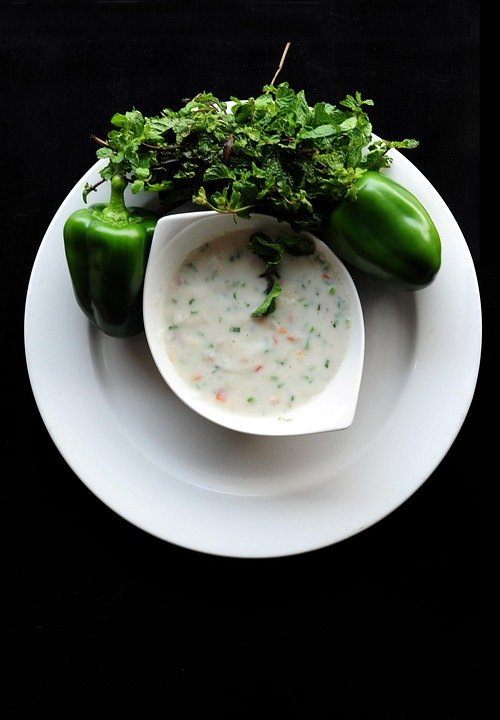
Portion control is a fundamental aspect of maintaining a balanced diet. Understanding serving sizes can help individuals make healthier food choices, promote better nutrition, and support overall well-being.
What is Portion Control?
Portion control refers to the practice of managing the amount of food consumed in a meal or snack. This includes being aware of serving sizes and understanding the difference between a portion and a serving.
Understanding Serving Sizes
A serving size is a standard measurement used to help guide individuals in their food consumption. It is often defined by nutrition labels and can vary depending on the type of food being consumed. Here are key components to consider:
- Nutrition Labels: Always read nutrition labels for serving size information to better understand how much of a food item constitutes one serving.
- Common Serving Sizes: Familiarize yourself with common serving sizes for different food groups, such as fruits, vegetables, grains, and proteins.
- Measuring Tools: Use measuring cups, spoons, and a kitchen scale to help accurately measure portion sizes.
Benefits of Portion Control
Practicing portion control has multiple benefits:
- Balanced Diet: Helps ensure a balanced intake of nutrients from various food groups.
- Weight Management: Can assist in maintaining or reaching a healthy weight by preventing overeating.
- Better Digestion: Eating appropriate portions can aid digestion and improve overall comfort post-meal.
Tips for Effective Portion Control
Here are some practical tips to help practice portion control:
- Plate Size: Use smaller plates to create the illusion of a fuller plate, which may help control portions.
- Mindful Eating: Pay attention to hunger cues and eat slowly to recognize when you are satisfied.
- Pre-Plate Meals: Pre-allocate portions for meals rather than eating directly from large containers or bags.
- Visual References: Learn to visualize serving sizes using common objects (e.g., a fist for a serving of vegetables).
Conclusion
Portion control plays a crucial role in achieving better nutrition and overall health. By understanding serving sizes and implementing practical strategies, individuals can make more informed food choices and enhance their well-being.






