






















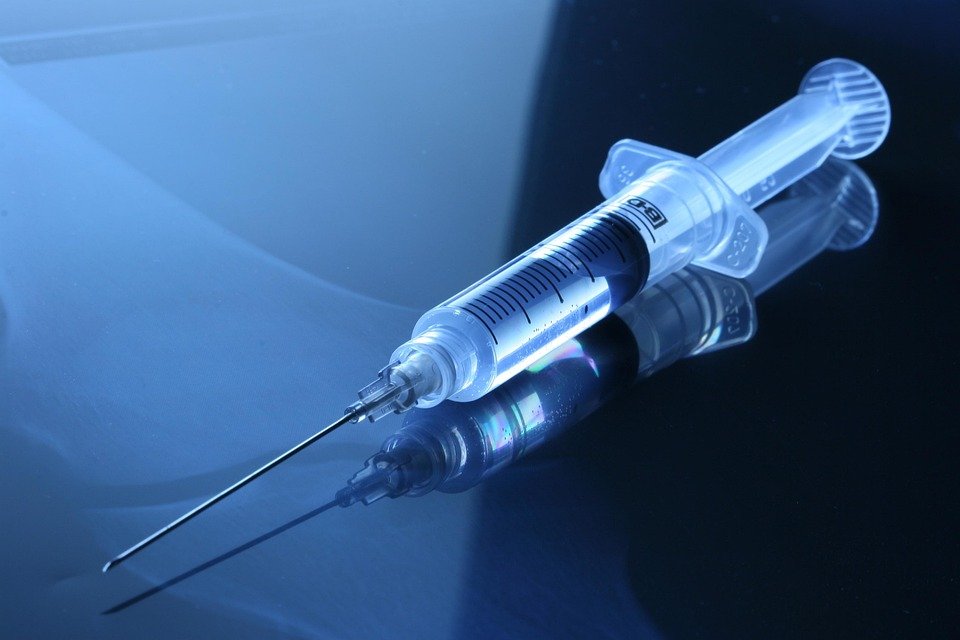
Vaccines are a crucial aspect of public health and play an important role in the partnership between vaccines and the immune system. Understanding this relationship helps to appreciate how vaccines work to protect individual and community health.
How the Immune System Works
The immune system is the body’s natural defense network, composed of various cells, tissues, and organs that work together to protect against harmful invaders like bacteria, viruses, and parasites. Key components of the immune system include:
- White Blood Cells: These cells are essential for identifying and attacking pathogens. Types include B cells, T cells, and macrophages.
- Antibodies: Produced by B cells, these proteins latch onto specific pathogens, marking them for destruction.
- Lymphatic System: This network of vessels and nodes helps transport immune cells and remove waste products.
What are Vaccines?
Vaccines are biological preparations that provide acquired immunity to a particular infectious disease. They usually contain a harmless part of the germ responsible for causing the disease, which helps the immune system recognize and combat the pathogen effectively.
- Live Attenuated Vaccines: Contain a weakened form of the germ.
- Inactivated Vaccines: Consist of germs that have been killed.
- Subunit, Recombinant, or Conjugate Vaccines: Include only parts of the germ.
The Partnership: How Vaccines Prepare the Immune System
When a vaccine is administered, it introduces a component of the disease-causing organism into the body. This exposure prompts the immune system to respond as if it is encountering the actual pathogen. Here’s how it works:
- Stimulation of Immune Response: The immune system responds by creating antibodies and activating T cells, preparing the body to fight off future infections.
- Memory Formation: After the initial exposure from a vaccine, the immune system creates memory cells that “remember” how to fight the disease in the future, providing long-lasting protection.
Benefits of Vaccination
Vaccination not only protects individuals but also contributes to the health of communities by reducing the spread of infectious diseases. Key benefits include:
- Disease Prevention: Vaccines significantly lower the risk of contracting various infectious diseases.
- Herd Immunity: When a large portion of the community is vaccinated, the overall spread of disease is decreased, protecting those who cannot be vaccinated.
- Reduction of Healthcare Costs: By preventing illnesses, vaccines can lead to lower healthcare costs associated with treating these diseases.
Conclusion
The collaboration between vaccines and the immune system is a vital aspect of maintaining health. Vaccines enhance the immune system’s ability to protect against diseases, benefiting both individuals and communities as a whole. Understanding this partnership underscores the importance of vaccination in fostering public health and well-being.






