






















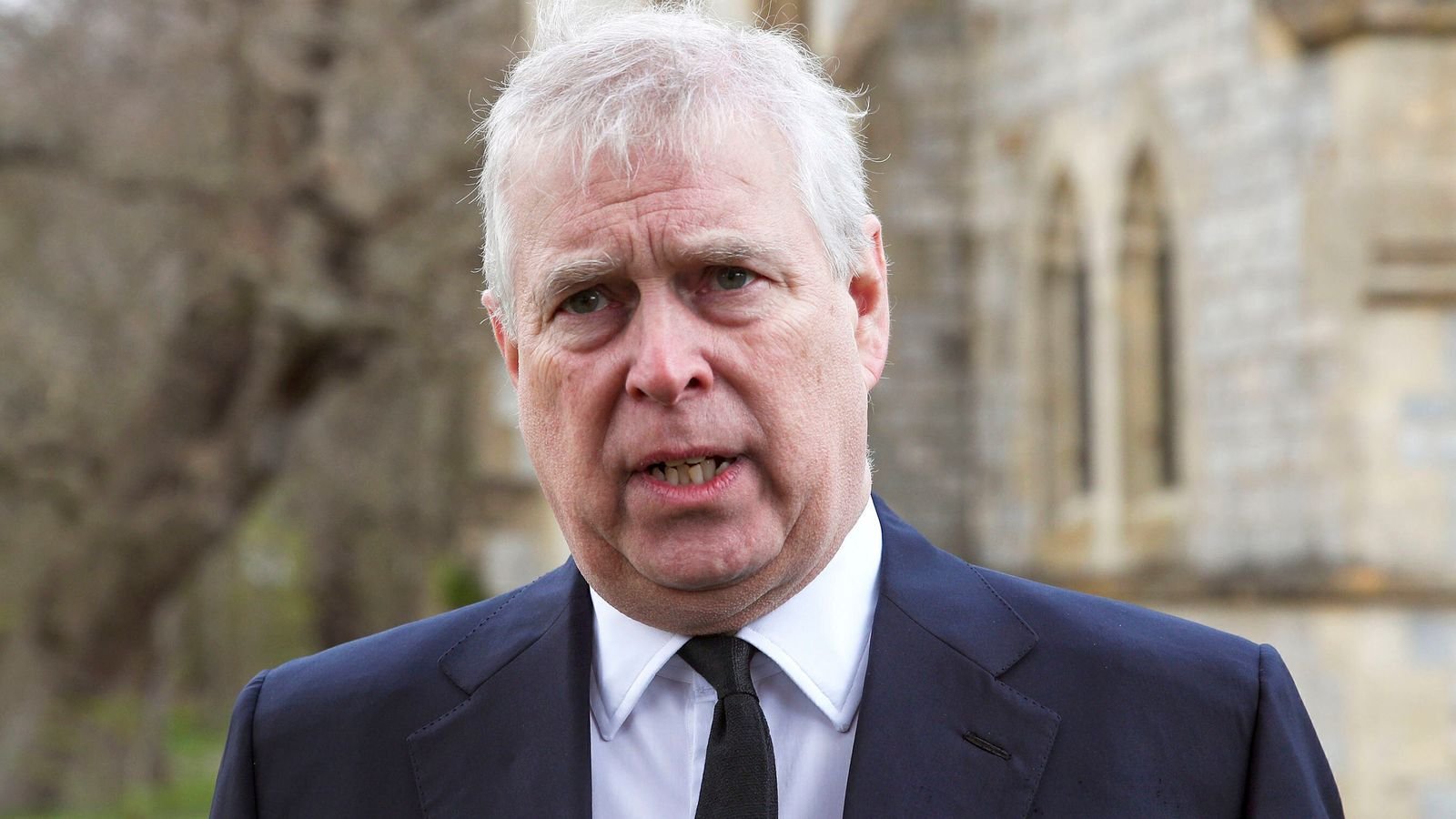
Cabinet Office Apologises for Royal Document Release Mishap
The Cabinet Office has acknowledged an “administrative error” following the accidental release of historical documents related to Andrew Mountbatten-Windsor. The documents, which were initially provided to journalists under embargo, included details about travel plans for the former prince before being quickly redacted and pulled back.
Details of the Incident
A file concerning royal visits from 2004 and 2005 was briefly shared with the media ahead of the annual declassification of government papers at the National Archives in Kew, west London. This file contained minutes from a meeting focused on travel arrangements for Andrew, who served as a trade envoy during that period. However, the version made available to the public at the archives had key details redacted, particularly concerning Andrew.
A spokesperson for the Cabinet Office clarified that the documents had not been meant for public dissemination and were released by mistake. All government records are subject to a thorough review process before release, ensuring compliance with the Public Records Act. The spokesperson added, “Any release is subject to an extensive review process, including engaging expert stakeholders.”
Public Reaction and Calls for Transparency
The incident sparked criticism from anti-monarchy campaigners who argue that documents should not be hidden, especially considering Andrew has lost all his royal titles amidst ongoing controversies over his connections with Jeffrey Epstein. Graham Smith, CEO of the campaign group Republic, asserted that there should not be special exemptions for royal documents now that Andrew has been stripped of his royal status. He called for the release of the records to promote transparency and allow the public to make informed decisions regarding the royal family.
Other Documents Released
In addition to the royal documents, several other files were released to the National Archives. These included papers relating to Zimbabwe, which highlighted the Foreign Office’s assessment that military intervention to remove Robert Mugabe was not a viable option during the turmoil in the nation. Other declassified materials detailed plans for a significant redevelopment of Downing Street and a formal apology that John Major was required to issue to the Queen Mother for an improperly addressed birthday telegram.
Background
Government records are generally made public after 20 years, although documents pertaining to the Royal Family are frequently withheld under the Public Records Act. The leaked documents, initially intended to remain confidential, have reignited discussions about the transparency of royal affairs and the public’s right to access information, particularly concerning figures who have faced significant controversy.
Source: Original Article






