






















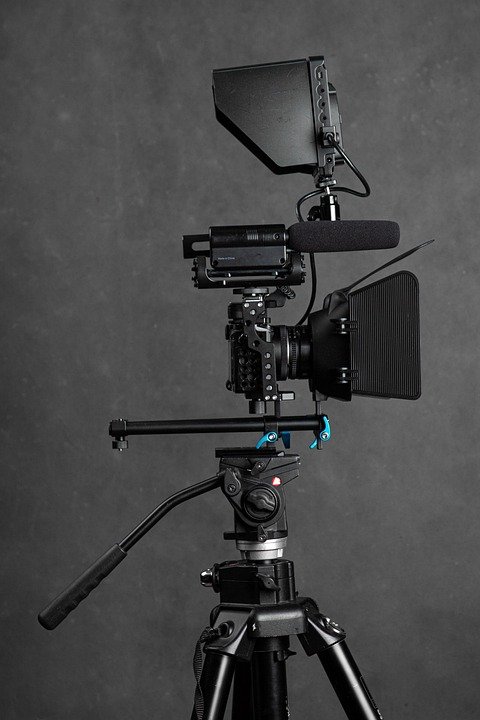
Setting the Stage: The Role of Cinematography
Cinematography is a vital component of filmmaking, often described as the art and technology of capturing visual images for the cinema. It encompasses various aspects, from lighting and composition to camera movement and equipment choices. One of the most influential cinematographers in contemporary cinema is Roger Deakins, whose work has significantly evolved with the advent of digital technology.
Roger Deakins: A Brief Overview
Roger Deakins is a British cinematographer known for his collaboration with renowned filmmakers such as the Coen brothers and Denis Villeneuve. With a career spanning over four decades, Deakins has been pivotal in redefining visual storytelling through his innovative camera techniques and mastery of light.
The Shift from Film to Digital
The transition from traditional film to digital cinematography began in the late 1990s, altering the landscape of filmmaking. Deakins embraced digital technology, particularly with the development of high-definition cameras that allowed for greater flexibility and creative possibilities. His first digital feature was “Revolutionary Road” (2008), marking a turning point in how he approached visual storytelling.
Advantages of Digital Innovation
The use of digital technology in Deakins’ work has introduced several advantages:
- Advanced Control Over Image Quality: Digital cameras provide unparalleled control over image fidelity, enabling Deakins to achieve pristine clarity and detail in his shots.
- Enhanced Flexibility: Digital cinematography allows for rapid adjustments in lighting and composition, which is especially useful in dynamic filming environments.
- Creative Experimentation: The immediate playback capabilities of digital cameras encourage creative risks and experimentation, leading to innovative visual techniques.
- Extended Shooting Possibilities: Digital technology permits longer shooting periods without the need for constant film changing, thus maximizing productivity on set.
Notable Works Utilizing Digital Techniques
Several of Deakins’ films exemplify the successful integration of digital technology. Notable examples include:
- Skyfall (2012): This James Bond film showcased Deakins’ ability to blend high-stakes action with stunning visuals, utilizing digital technology to enhance both narrative and aesthetic elements.
- Blade Runner 2049 (2017): A continuation of the legacy of Ridley Scott’s original, Deakins masterfully employed advanced lighting techniques and digital effects to create a visually rich experience that paid homage to classic film noir while pushing the boundaries of modern cinema.
- 1917 (2019): Filmed to appear as a single continuous shot, Deakins’ groundbreaking work in digital cinematography created an immersive experience that captivated audiences and showcased the potential of modern filmmaking.
The Future of Cinematography
As digital technology continues to advance, the impact of these innovations on the art of cinematography will undoubtedly expand. Roger Deakins’ work serves as a testament to the seamless integration of new tools and techniques, inspiring future generations of filmmakers to explore the possibilities inherent in digital cinema.
Conclusion
Roger Deakins has firmly established himself as a master of cinematography, exemplifying how digital innovations can transform visual storytelling. His ability to adapt and innovate within the evolving landscape of film serves as an enduring example of the importance of embracing change in the pursuit of artistic excellence.






