






















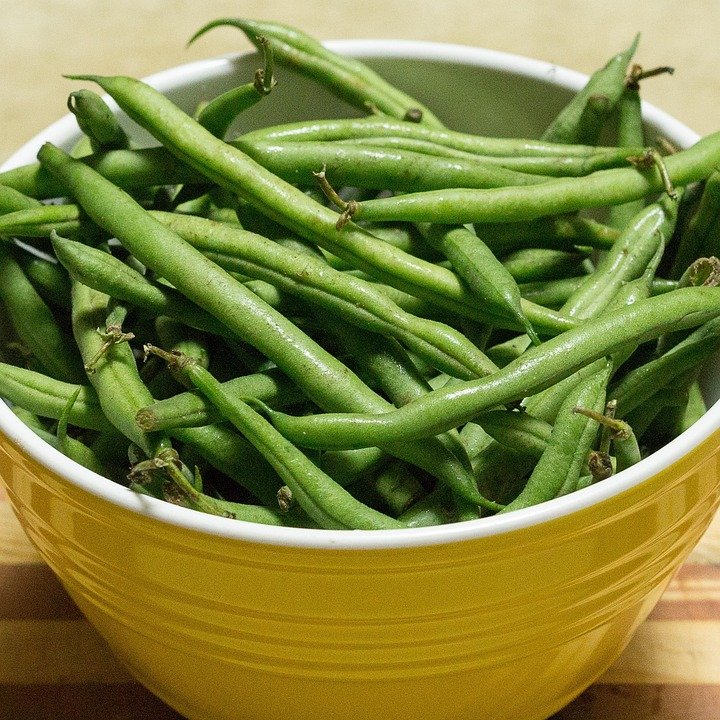
When it comes to nutrition, the distinction between whole foods and processed foods plays a significant role in making informed choices for a healthier diet. Understanding these categories can empower individuals to make choices that may promote overall well-being.
What Are Whole Foods?
Whole foods are foods that are minimally processed and are as close to their natural state as possible. These foods generally include:
- Fruits and Vegetables: Fresh, frozen, or dried options without added sugars or preservatives.
- Whole Grains: Foods like brown rice, quinoa, and whole grain bread that retain their fiber and nutrients.
- Nuts and Seeds: Raw or dry roasted varieties that do not have added oils or salt.
- Legumes: Beans, lentils, and peas that provide protein and fiber.
- Animal Products: Fresh meats, fish, eggs, and dairy without added artificial ingredients.
What Are Processed Foods?
Processed foods are items that have been altered from their original form for safety and convenience. They may contain added ingredients such as sugars, salts, fats, and preservatives. Common types include:
- Packaged Snacks: Chips, cookies, and candies often have high sugar and fat content.
- Frozen Meals: Many are loaded with sodium and preservatives for longer shelf life.
- Sugary Beverages: Soft drinks and energy drinks that provide little to no nutritional value.
- Ready-to-Eat Foods: Pre-packaged salads or deli meats that may have added preservatives.
Benefits of Whole Foods
Incorporating whole foods into your diet can have various benefits, including:
- Higher Nutrient Density: Whole foods are rich in vitamins, minerals, and antioxidants.
- Improved Satiety: Foods that are higher in fiber can help you feel full for longer periods.
- Lower Processed Sugar and Salt Intake: Whole foods typically contain less added sugars and sodium.
- Better Digestive Health: Fiber-rich foods can support digestive function.
Considerations for Processed Foods
While processed foods are often convenient and may fit into a busy lifestyle, it’s important to be mindful of their consumption:
- Read Labels: Look for items with fewer ingredients and no artificial additives.
- Portion Control: Many processed foods are designed for convenience but may also lead to overeating.
- Balance and Moderation: Incorporating processed foods occasionally can be manageable within a balanced diet.
Making Informed Choices
Striving for a balanced diet is essential for overall health. Here are tips to help make informed choices:
- Prioritize Fresh Produce: Aim to fill your plate with a variety of fruits and vegetables.
- Explore Whole Grains: Choose whole grains over refined grains to enhance fiber intake.
- Limit Highly Processed Foods: Opt for minimally processed options when possible.
- Cook at Home: Preparing meals allows for greater control over ingredients and portion sizes.
Understanding the differences between whole foods and processed foods and making informed choices can significantly influence dietary habits and overall health. A focus on whole foods is generally aligned with principles of healthy eating.






