






















New Initiative Promotes Healthy Eating for Alcohol Recovery
Researchers from the University of Bournemouth have initiated an alcohol rehabilitation programme in collaboration with a drug charity, stressing the importance of nutrition during recovery. The scheme, named Nourish the New You, seeks to explore how improved dietary habits can help those undergoing withdrawal remain sober.
Focus on Nutrition in Recovery
The innovative project was developed by Dr Chloe Casey, who found inspiration for the initiative following her personal experience with alcohol dependency in her family. Reflecting on her late mother-in-law’s struggles, Dr Casey recognised a correlation between alcohol consumption and its detrimental effects on nutritional health.
“Observing how her appetite fluctuated due to drinking was eye-opening,” Dr Casey noted. “The impact of alcohol on absorption of nutrients and overall appetite is substantial, and can hinder recovery efforts.”
A Collaborative Effort
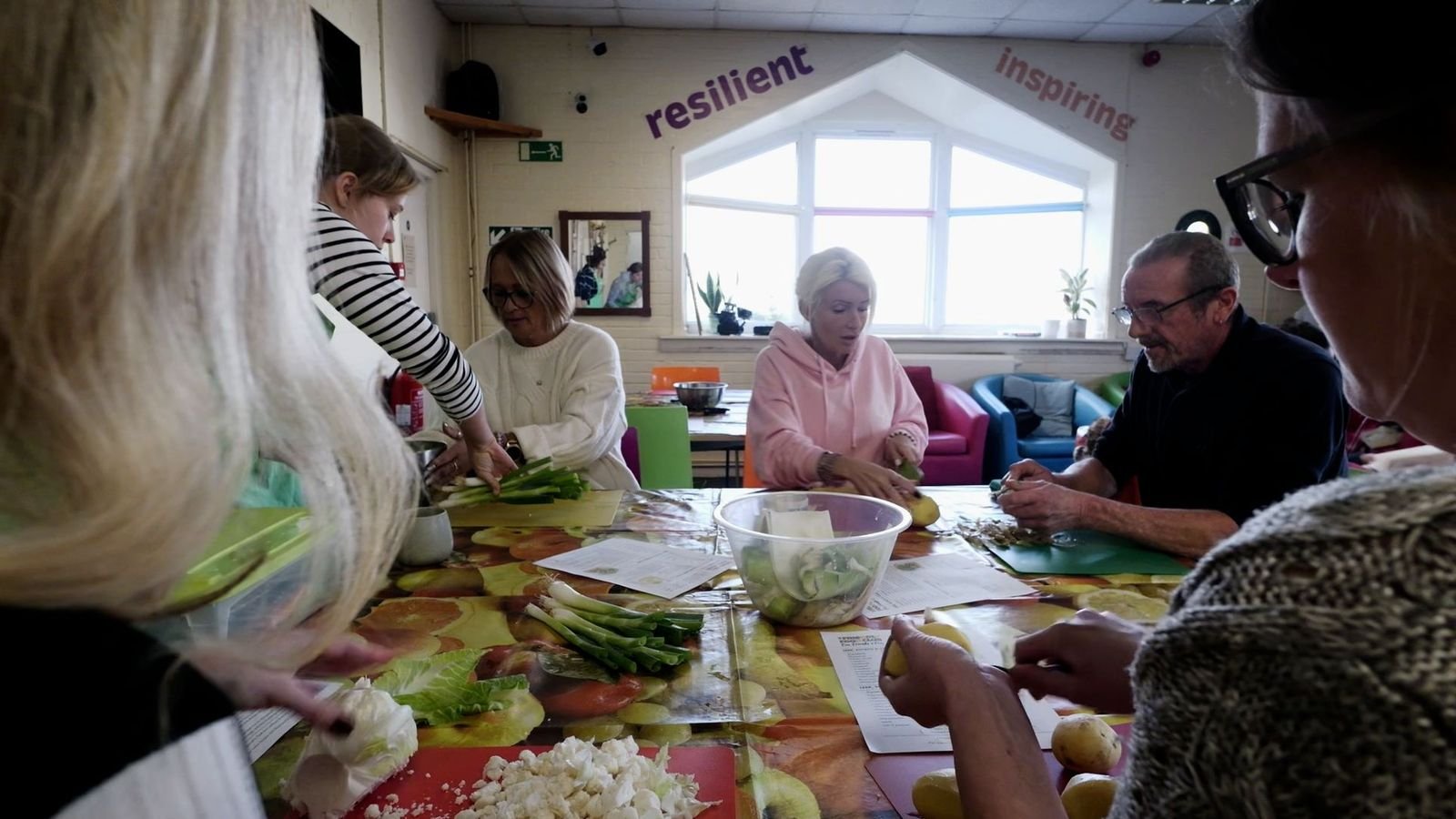
The university has partnered with the drug and alcohol charity We Are With You and the Friendly Food Club to provide interactive cooking sessions for participants. These classes aim to teach individuals the value of healthy eating and encourage them to integrate nutritious meals into their daily lives.
Katherine Johnson, a participant who has successfully remained sober for over 18 months, attributes part of her recovery journey to the cooking classes. She shared her experience: “I began using alcohol as a means to cope with anxiety and depression, which escalated quickly into dependency.”
Positive Transformations Through Cooking
Johnson revealed how involvement with the Friendly Food Club has transformed her life: “I’m now eating well, and my family reaps the benefits too. It’s rewarding to share healthy meals.” She has observed significant improvements in her physical health, as well as newfound enjoyment in cooking with her daughter.
Future Aspirations for Funding
The programme aspires to secure permanent financial backing to incorporate nutritional initiatives alongside traditional recovery methods. “Once established, we can gather data to measure our impact on recovery,” remarked Dr Casey.
Challenges in Prioritising Nutrition
Paula Loader from We Are With You explained that for many individuals struggling with addiction, focusing on diet often takes a back seat. “When substance use is a priority, healthy eating rarely comes to mind,” she said. “This initiative not only promotes healthier eating but also fosters community through sharing meals.”
Dave Palfrey, who battled alcohol and heroin addiction, shared his experience with the food club: “Being sober for 17 months is a life-changing achievement for me, and a large part of that is thanks to this programme. For the first time, I am enjoying nutritious meals and forming genuine friendships.”
Background
This initiative emerges in light of ongoing concerns about alcohol misuse across the UK, where many individuals face challenges in accessing effective recovery resources. By integrating nutrition into rehabilitation, the project aims to address a crucial yet often overlooked aspect of recovery.
Source: Original Article






