






















Understanding the Importance of Hydration
Hydration refers to the process of providing your body with the necessary fluids to function efficiently. Water is essential for every cell in the human body and plays a crucial role in various bodily functions.
Key functions of water in the body include:
- Regulating body temperature
- Transporting nutrients and oxygen to cells
- Removing waste products
- Lubricating joints and organs
- Supporting digestion and metabolism
The Role of Nutrition in Overall Wellness
Nutrition encompasses the intake of food and its nutritional components, including carbohydrates, proteins, fats, vitamins, and minerals. A well-balanced diet is vital for maintaining health and overall well-being.
Some benefits of proper nutrition include:
- Boosting the immune system
- Maintaining a healthy weight
- Promoting energy levels
- Enhancing mood and cognitive function
- Supporting growth and development
The Connection Between Hydration and Nutrition
Hydration and nutrition are interconnected, influencing overall wellness. Proper hydration can enhance the absorption of nutrients from food, while adequate nutrition can assist in maintaining fluid balance in the body.
Here are some key points regarding their relationship:
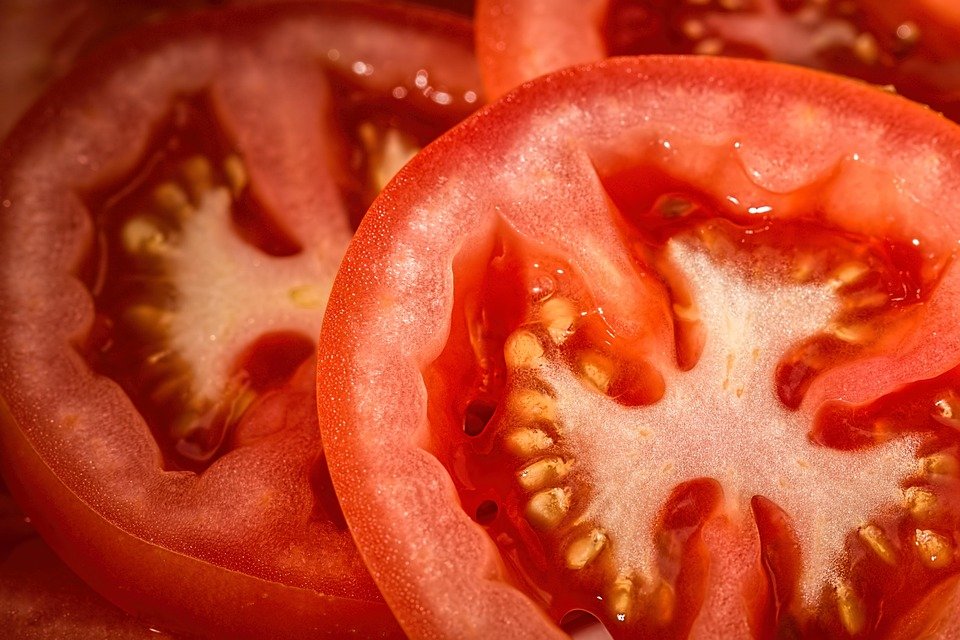
- Fluid Sources: Many foods contain water, contributing to hydration. Fruits and vegetables, for example, are rich in water and also provide essential nutrients.
- Nutrient Absorption: Certain vitamins and minerals require water for absorption. For instance, water-soluble vitamins such as Vitamin C and B vitamins can only be absorbed in the presence of adequate fluids.
- Hydration Status: Dehydration can lead to decreased energy levels and feelings of fatigue, making it harder to maintain a balanced diet and make healthy food choices.
Practicing Good Hydration and Nutrition
To support your overall wellness through hydration and nutrition, consider the following practices:
- Drink Water Regularly: Aim to drink water throughout the day, especially during physical activities or in hot weather.
- Eat a Variety of Foods: Include a wide range of fruits, vegetables, whole grains, and lean proteins in your diet.
- Monitor Your Hydration: Pay attention to your body’s signals. Thirst is a clear indicator that you need more fluids.
- Balance Your Diet: Combine healthy foods with adequate fluid intake to support digestion and nutrient absorption.
Conclusion
Effective hydration and nutrition are fundamental components of overall wellness. By recognizing the connection between the two, you can improve your health and well-being. A balanced approach that incorporates good hydration practices along with proper nutrition can lead to a healthier lifestyle.






