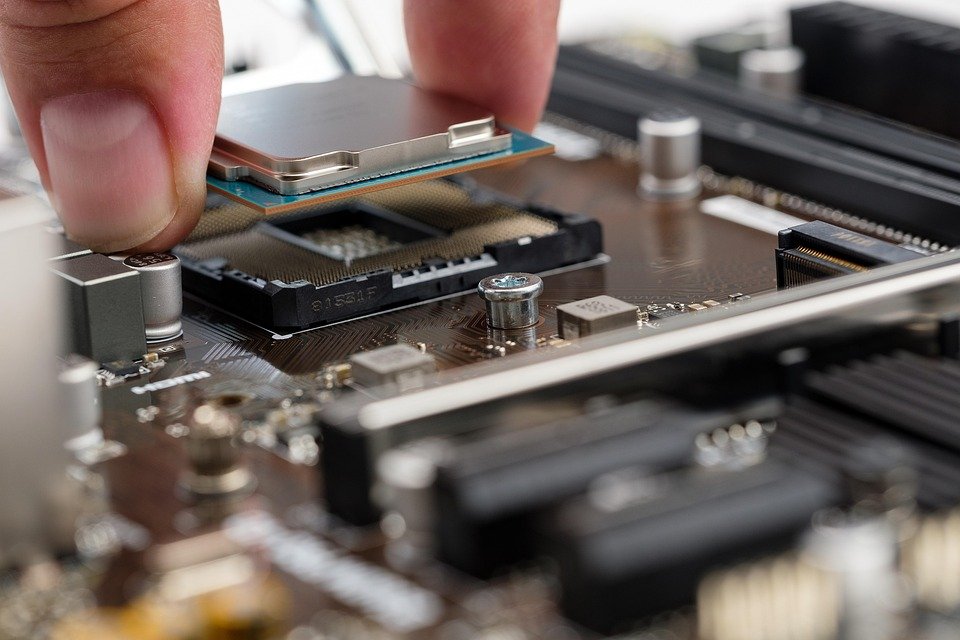
Central Processing Units (CPUs) are the heart of modern computing, acting as the primary component responsible for interpreting and executing instructions from computer programs. Understanding the architecture of CPUs provides insight into how they function, perform calculations, and manage tasks efficiently. This article explores the inner workings of CPUs, including their fundamental components, operational principles, and performance considerations.
Components of a CPU
The architecture of a CPU is complex, comprising several key components that work together to execute instructions. The primary components include:
- Arithmetic Logic Unit (ALU): The ALU performs all arithmetic and logical operations, including addition, subtraction, and comparisons between values.
- Control Unit (CU): The CU manages the flow of data within the CPU and interprets instructions from programs, directing the ALU and other components to carry out tasks.
- Registers: Registers are small, fast storage locations within the CPU that hold temporary data and instructions during processing. They play a crucial role in speeding up the CPU’s operations.
- Cache Memory: Cache is a smaller, faster type of volatile memory that stores frequently accessed data and instructions, allowing for quicker retrieval compared to accessing main memory (RAM).
- Bus Interface: The bus interface enables communication between the CPU and other components of the computer, such as memory and input/output devices, through data buses.
CPU Architecture Types
CPU architectures have evolved over decades, leading to different designs optimized for various applications. The most notable architectures include:
- Von Neumann Architecture: This classic architecture organizes memory into a single storage space for both instructions and data. It simplifies design but can lead to bottlenecks, known as the “Von Neumann bottleneck.”
- Harvard Architecture: In contrast to von Neumann, Harvard architecture features separate storage for instructions and data, which allows simultaneous access and improves performance.
- RISC (Reduced Instruction Set Computing): RISC architectures simplify instruction sets, allowing CPUs to execute instructions more rapidly. This design emphasizes a smaller number of cycles per instruction.
- CISC (Complex Instruction Set Computing): CISC architectures feature a more complex instruction set, allowing single instructions to perform multiple tasks. This can reduce the number of instructions needed but can lead to increased complexity in execution.
Instruction Cycle
The operation of a CPU can be broken down into a series of steps known as the instruction cycle, typically comprising the following phases:
- Fetch: The CPU retrieves an instruction from memory, using the program counter to determine the next instruction’s address.
- Decode: The fetched instruction is then decoded by the control unit to understand what actions are required.
- Execute: The ALU or other components execute the decoded instruction, performing calculations or manipulating data as specified.
- Store: The results of the executed instruction may be stored back in memory or in registers for future use.
Performance Factors
Several factors influence CPU performance, crucial for both consumer and enterprise applications:
- Clock Speed: Measured in gigahertz (GHz), clock speed indicates how many cycles a CPU can perform in one second. Higher speeds typically lead to better performance.
- Number of Cores: Modern CPUs often feature multiple cores, allowing them to perform multiple operations simultaneously. Multi-core processors can significantly improve performance in multi-threaded applications.
- Cache Size: A larger cache typically allows for better performance, as it reduces access times for frequently used data. The hierarchy of cache levels (L1, L2, L3) also impacts overall speed.
- Thermal Management: Effective cooling solutions help maintain CPU performance by preventing overheating, which can throttle performance and reduce lifespan.
Conclusion
CPUs represent a critical technology in the realm of computing, with their architecture and design fundamentally shaping how computers process information. By understanding their inner workings, one can appreciate the complexity and sophistication behind the technology that drives our digital world.