Deadly Clashes Erupt Amidst Nationwide Protests in Iran
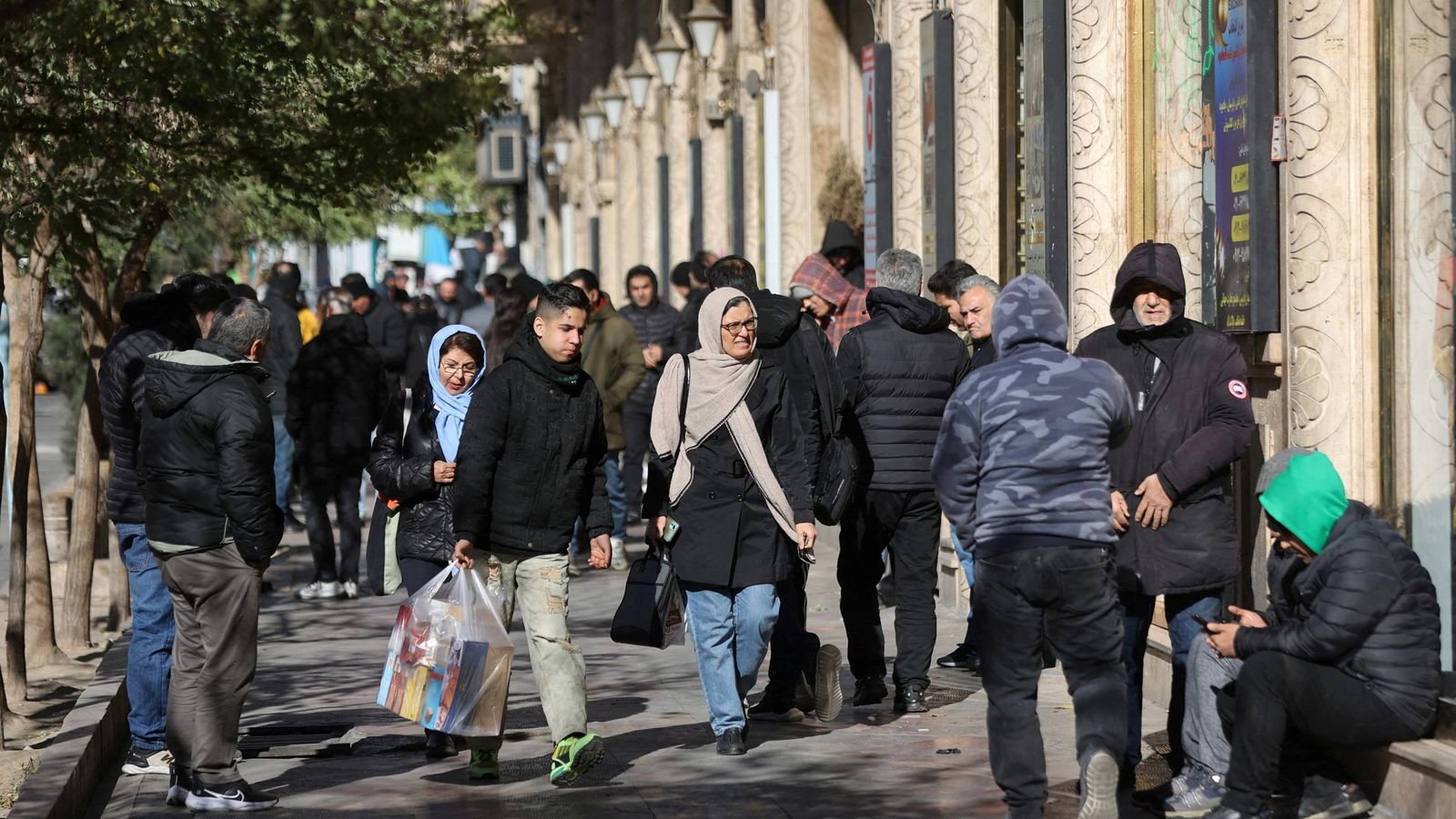
The largest wave of demonstrations in Iran in the past three years erupted into violence overnight Thursday, resulting in multiple fatalities as reported by local media and human rights organisations. The unrest, triggered by frustrations over the faltering economy, intensifies after an unexpected government proposal for dialogue with protesters.
Protests Escalate in Lordegan and Beyond
Reports indicate that clashes erupted in the western city of Lordegan between armed demonstrators and police, leading to several deaths. A source cited by the semi-official Fars news agency has confirmed the fatalities, indicating a worrying trend in the escalating unrest.
The rights group Hengaw reported that security forces fired upon protesters in Lordegan, resulting in both fatalities and injuries within the crowd. Confirmations of deaths also emerged from the neighbouring city of Kuhdasht and the central province of Isfahan.
Widespread Discontent Over Economy
The protests began on Sunday, primarily among shopkeepers and traders in Tehran, but have since grown to include various demographics, notably university students who joined in defiance of soaring inflation and a severe depreciation of the currency. Demonstrators attempted to storm a government building on Wednesday, highlighting the intensity of discontent amongst the populace.
Further unrest has seen arrests taking place across western provinces, including Kermanshah, Khuzestan, and Hamedan. The Revolutionary Guards, a paramilitary force supporting the Iranian government, reported the death of one of their members during the conflict in Kuhdasht, along with several injuries among their ranks.
Government Response and Dialogue Offer
This week’s protests mark the first significant unrest since a wave of airstrikes hit Iran during the summer, an incident that had briefly galvanised national unity. Presently, the Iranian government faces mounting pressure due to a faltering economy, exacerbated by crippling Western sanctions and inflation rates reaching 40%.
“It is a perilous time for Iranian authorities,” commentators note, as they find themselves with minimal strategies to mitigate the ongoing crisis. Amidst rising tensions, government spokesperson Fatemeh Mohajerani emphasized the need for dialogue, inviting discussions with trade union representatives and vendors, though specifics regarding these discussions remain vague.
Background
Iran’s latest unrest unfolds against a backdrop of ongoing economic turmoil and popular dissatisfaction. The country’s economy has been severely impacted by multiple factors, including international sanctions and domestic financial mismanagement. The discontent has led to repeated protests over the years, but this resurgence reflects a significant upturn in public frustration.
As tensions continue to flare and the situation develops, the eyes of the world remain fixed on Iran, with implications that may extend beyond its borders, especially considering the geopolitical stakes involved.
Source: Original Article