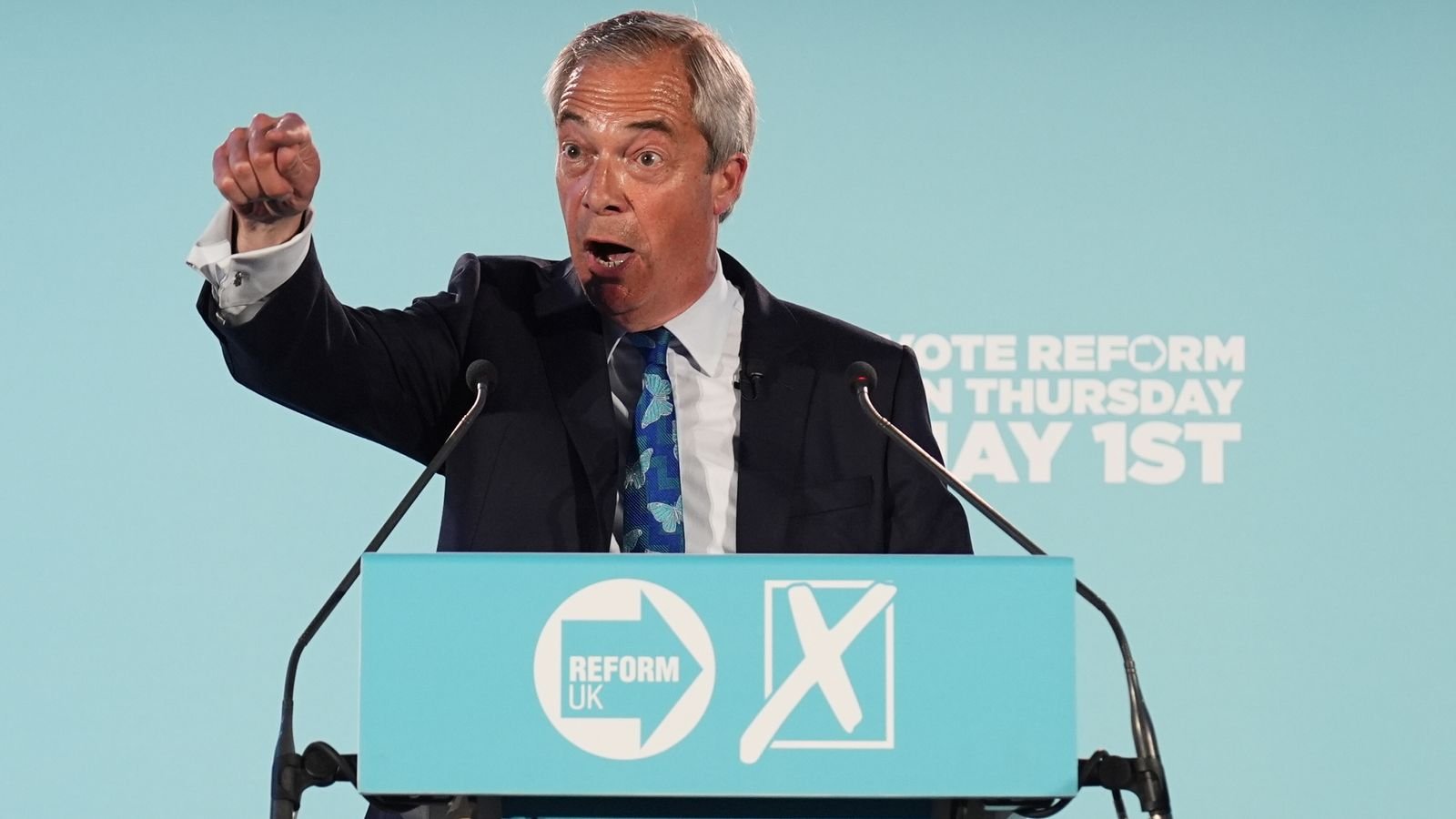
Nigel Farage Commits £5 Million to Reform UK Campaign Ahead of Local Elections
Nigel Farage, the leader of Reform UK, has announced a significant investment of £5 million to bolster his party’s campaign in the upcoming local elections scheduled for May 7. He described this election as crucial, characterising it as the “single most important event” ahead of the anticipated general election in 2029.
Strategic Importance of Local Elections
Farage emphasised the significance of the local elections, highlighting that the outcome could reflect directly on his leadership and the party’s overall standing. He has warned that if the party’s current polling advantage does not result in tangible electoral victories, it may prompt scrutiny about his effectiveness as leader.
The forthcoming elections will see 5,036 council seats contested across 136 local authorities in England, with Scotland and Wales conducting their own elections for the Scottish Parliament and the Senedd respectively. Originally, Reform UK’s target was to secure 1,000 seats; however, this aim could be complicated due to delays requested by several councils in response to a government reorganisation plan.
Campaign Strategy and Funding
Farage stated, “It’s double or quits” regarding the party’s approach to the elections, committing to a comprehensive and financially intensive campaign. The funding for this campaign comes as a result of a substantial £9 million donation from former Conservative backer Christopher Harborne, marking one of the largest political donations in UK history.
The campaign will prominently feature social media outreach aimed at engaging disenchanted voters, particularly those who abstained from participating in the last general election. Farage noted that the overarching slogan for the campaign will be, “Britain is broken, Britain needs Reform,” focusing on vital issues such as law and order, the cost of living, and immigration.
Addressing Controversies
In recent statements, Farage also responded to allegations regarding past allegations of antisemitic remarks made during his school years, which he denies. He suggested that such reports could inadvertently strengthen his party’s core support by framing them as attacks in the eyes of the electorate.
Pressure on Opposing Parties
The local elections are anticipated to have far-reaching implications for all major political parties, particularly for Sir Keir Starmer of the Labour Party and Kemi Badenoch of the Conservatives. Starmer is under increasing pressure due to Labour’s current standing in the polls, with speculation about potential leadership challenges should the elections not yield favourable results for the party.
Badenoch must demonstrate progress in rebuilding the Conservative party’s credibility following recent electoral setbacks. Her New Year’s message reflects a determination to encourage voter engagement, emphasizing the need for the electorate to initiate change in upcoming elections.
Background
The context of these local elections is heightened given the shifting political landscape in the UK, where Reform UK has gained traction, especially among voters seeking alternatives to the traditional parties. The outcome of these local elections could signify a pivotal moment as the various parties prepare for the general election in six years, shaping the strategic direction and leadership within each political faction.
Source: Original Article