






















The Legacy of Charlie Chaplin
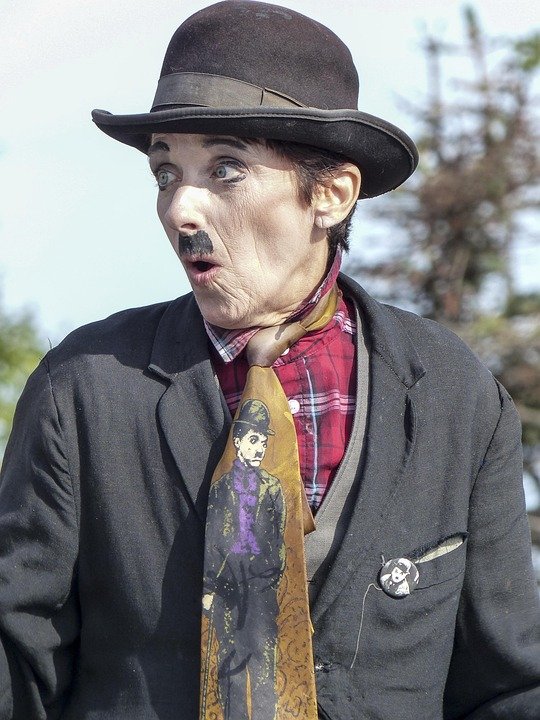
Charlie Chaplin is revered as one of the most influential figures in the history of cinema. His role as the Tramp—a comedic character defined by his iconic bowler hat, toothbrush mustache, and distinctive cane—transcended mere entertainment. Rather, Chaplin’s work profoundly shaped the comedic landscape, influencing generations of filmmakers and resonating with audiences worldwide. The Anatomy of Laughter is as much a study of Chaplin’s techniques as it is a reflection of how those methods remain relevant today.
Physical Comedy: The Power of Visual Humor
One of Chaplin’s hallmarks was his mastery of physical comedy. His films often relied on visual gags, exaggerated movements, and the art of slapstick. This form of humor communicates emotions and narratives without the need for dialogue, a technique that became synonymous with early cinema.
Emotional Resonance
Chaplin’s unique ability to blend humor with pathos is evident in works such as City Lights and The Kid. He infused his comedic acts with deeper social commentary, exploring themes of poverty, love, and human dignity. This duality creates a rich appreciation for his characters and their struggles, allowing audiences to empathize while they laugh.
Influence on Modern Comedians and Filmmakers
The techniques employed by Chaplin are still evident in contemporary comedy, where numerous filmmakers and actors draw inspiration from his work. Notable successors include:
- Jim Carrey: Known for his elastic facial expressions and physical comedy, Carrey channels Chaplin’s spirit in films like The Mask and Dumb and Dumber.
- Rowan Atkinson: His character Mr. Bean encapsulates the silent comedy genre, reminiscent of Chaplin’s Tramp, focusing on universal humor that transcends language.
- Wes Anderson: With a penchant for quirky characters and visual storytelling, Anderson often weaves elements reminiscent of Chaplin’s aesthetic, particularly in films like Moonrise Kingdom.
The Use of Timing and Pacing
Chaplin’s impeccable sense of timing was a vital component of his comedic style. The use of pauses, rhythm, and pacing in his performances perfectly illustrated the punchline principles that underpin effective humor. Modern comedians continue to study and apply these techniques, appreciating the delicate art of timing to enhance comedic effect.
Social Commentary Through Humor
Much of Chaplin’s humor served as a vehicle for social critique. Whether addressing class struggles in Modern Times or the horrors of war in The Great Dictator, Chaplin expertly utilized comedy to tackle serious issues. Today, comedians like John Oliver and Hasan Minhaj echo this approach, using satire to dissect complex societal issues within their routines.
The Enduring Appeal of Chaplin’s Techniques
The resonance of Chaplin’s techniques in today’s comedy is a testament to their universality. Laughter, when rooted in sincerity and shared experiences, has the power to bridge the gap between diverse audiences. Elements extracted from Chaplin’s performances serve as foundational tools for effective comedy, proving that the essence of humor remains unchanged through the ages.
As we reflect on how far comedy has come, it is essential to remember the pioneers like Charlie Chaplin, whose contributions were instrumental in shaping the genre. His ability to convey humor through a combination of visual storytelling, emotional depth, and social awareness continues to inspire and impact comedians around the world.






