In the realm of computing, understanding the core components of hardware and software is fundamental to grasping how technology functions. This article aims to clarify the distinctions between these two critical elements while providing insight into their roles in the overall computing ecosystem.
What is Hardware?
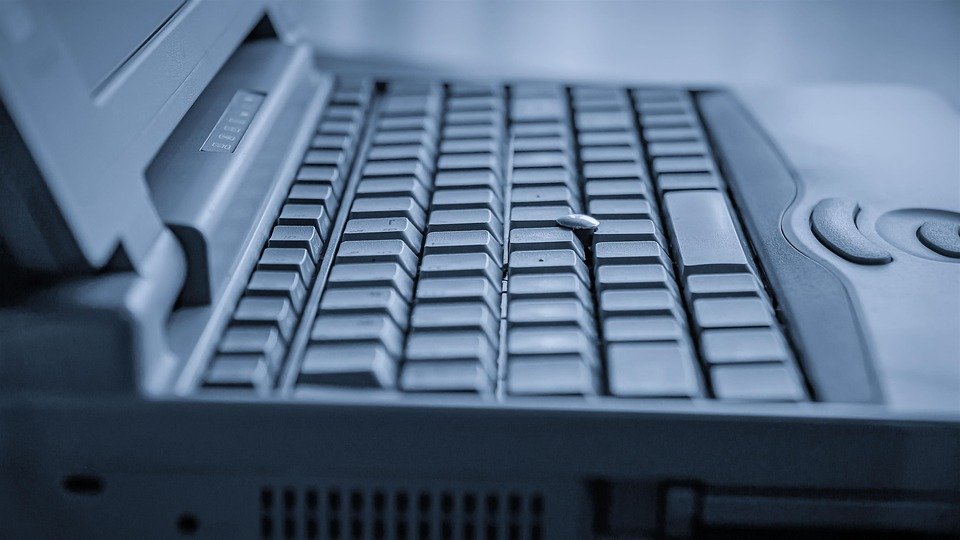
Hardware refers to the tangible components of a computer system, which can be physically touched and handled. These components play a critical role in the operation and performance of computing systems, serving as the foundation upon which software runs. Common examples of hardware include:
- Central Processing Unit (CPU): Often dubbed the “brain” of the computer, the CPU carries out instructions from programs by performing basic arithmetic, logic, control, and input/output operations specified by the instructions.
- Memory (RAM): Random Access Memory (RAM) provides temporary storage for data and instructions that the CPU needs while performing tasks, allowing for quick access.
- Storage Devices: These include Hard Disk Drives (HDD), Solid State Drives (SSD), and optical drives that store data permanently, retaining it even when the power is turned off.
- Input Devices: Components like keyboards, mice, and touchscreens that allow users to interact with the computer.
- Output Devices: Monitors, printers, and speakers that present information processed by the computer to the user.
What is Software?
Software, in contrast, refers to the intangible commands and instructions that tell the hardware what to do. Software is essential for enabling users to perform tasks and manipulate data using the hardware components. It can be categorized into several types:
- System Software: This includes operating systems (like Windows, macOS, and Linux) that manage hardware resources and provide a platform for running application software.
- Application Software: These are programs designed for end-users to perform specific tasks, such as word processing, spreadsheets, and video editing software.
- Utility Software: Tools that aid in the management and maintenance of computer resources, such as antivirus programs, disk management tools, and system diagnostics.
- Programming Software: These tools assist developers in creating software applications, including compilers, debuggers, and integrated development environments (IDEs).
Interrelationship Between Hardware and Software
The relationship between hardware and software is symbiotic; without one, the other cannot function effectively. Hardware provides the physical capabilities to execute instructions, while software offers the guidance on those operations. This relationship is evident in everyday computing scenarios:
- When a user opens a word processing application (software), the CPU (hardware) begins executing the instructions required to display the user interface.
- Input from peripheral devices like a keyboard can be processed by the software to carry out specific commands, resulting in the display of text or data on output devices.
Conclusion
Understanding the distinction between hardware and software is crucial for anyone looking to deepen their knowledge of computing. Both components are essential to the functionality of modern technology, and their interplay lays the groundwork for all computing tasks. As technology continues to evolve, this fundamental understanding will remain relevant, highlighting the importance of both hardware and software in the digital age.