US Celebrates Capture of Nicolas Maduro with Dramatic Social Media Campaign
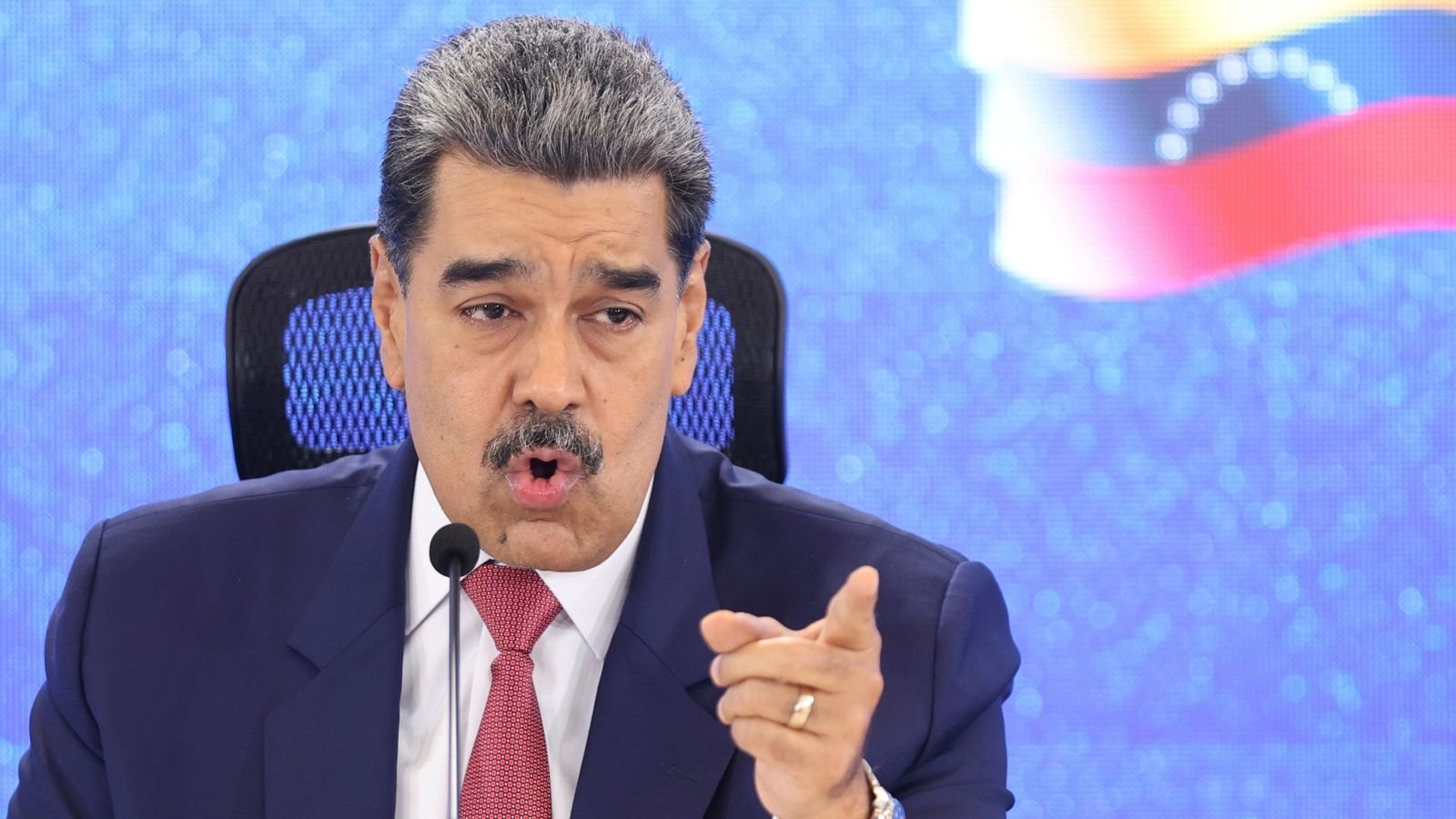
The recent capture of Venezuelan president Nicolas Maduro by US forces has ignited a wave of online content celebrating the operation. Various officials, including former President Donald Trump, have taken to social media to present the event as a cinematic triumph, employing dramatic visuals and internet slang to underscore the significance of their actions.
The Social Media Frenzy
In the hours following Maduro’s abduction, a series of posts released by Trump and his associates likened the military operation to a Hollywood action film. Notably, a White House post highlighted the phrase “FOFA,” short for “f*** around and find out,” which has quickly become a popular expression in online discussions.
Defence Secretary’s Remarks
US Defence Secretary Pete Hegseth remarked on Maduro’s capture by stating that the Venezuelan leader “had his chance – until he didn’t,” further framing the event in combative terms.
Trump’s Video Presentation
Trump shared a dramatic video on Truth Social, showcasing US military aircraft and imagery of explosions in Caracas, accompanied by the 1969 protest anthem “Fortunate Son” by Creedence Clearwater Revival. This musical choice aligns with anti-establishment sentiments, echoing previous protests against military interventions.
Dramatic Visuals and Messages
Another video released by the White House featured Maduro taunting US forces, daring them to “come get me” while he awaited their advance in Miraflores. Set to gripping music, the footage presented a narrative designed to instil fear in potential adversaries.
Responses from Government Officials
In addition to Trump, US Secretary of State Marco Rubio stressed that opposing the current administration could lead to dire consequences. The Department of State also participated by sharing an image of Trump with a warning against “playing games” with his presidency.
Public Reaction
The energetic posts have spurred diverse reactions on social media, with some users crafting their own AI-generated videos to commemorate the US operation. However, the narrative is not without critics; some have pointed out that the operation could serve as a distraction from pressing domestic issues, notably referencing recently released documents related to financier Jeffrey Epstein.
Background
This engagement comes against a backdrop of prolonged political strife in Venezuela, where Maduro has faced mounting pressure both domestically and internationally. The focus on Venezuelan oil reserves has further complicated US interests in the region, considering its strategic implications for energy security.
The portrayal of such military operations through social media not only shapes public perception but also reflects a shift in how geopolitical events are narrated in the digital age. This case may set a precedent for future interactions between the US government and foreign leaders, particularly in how military success is celebrated and communicated to the general public.
Source: Original Article