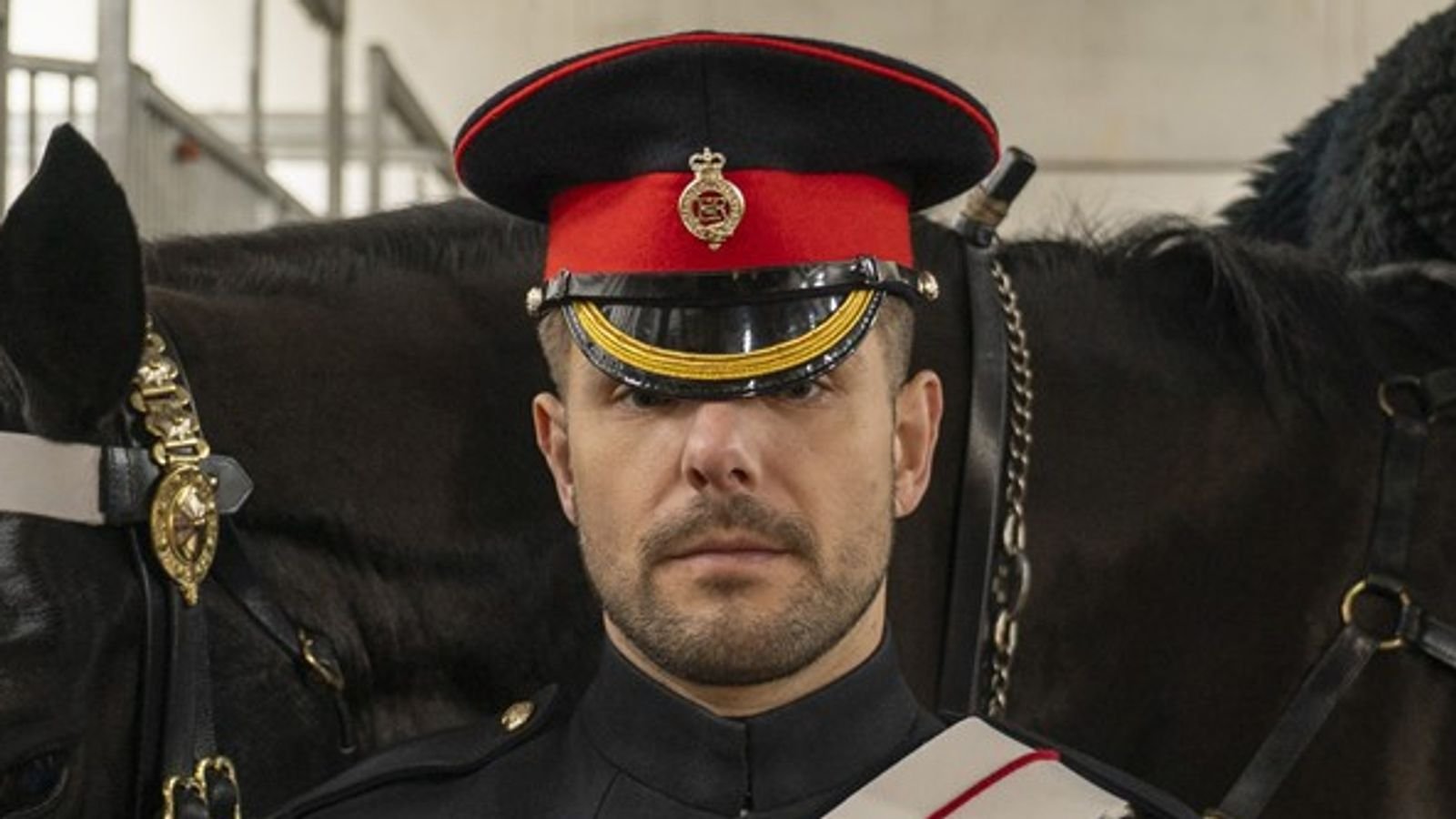
A Glimpse into Life as a Lance Corporal in the Household Cavalry
Lance Corporal Clark, aged 34, provides insight into his duties as a member of the King’s Life Guard, a prestigious role involving the ceremonial safeguarding of Buckingham Palace and St James’s Palace. With details on salary, work conditions, and the challenges faced, his account reveals an intriguing blend of tradition and contemporary pressures.
Salary and Benefits
As a lance corporal in the British Army, Clark’s annual salary is around £34,000. This amount increases gradually with years of service and time spent stationed away from home. Additionally, he enjoys a substantial holiday entitlement of 39 days per year, though leave is often organised to align with ceremonial duties in London. Any unused holiday days can be carried over, allowing for greater flexibility.
Pension Contributions
The army automatically contributes to soldiers’ pensions, with an annual addition of 1/47th of their pensionable earnings into a Career Average Revalued Earnings (CARE) pot. While retirement may seem far off, the financial security afforded by these pensions is highly valued among army personnel.
The Rigorous Nature of the Role
Clark elaborates on the physical demands of his position, particularly the cumbersome state helmets worn during parades, which require immense discipline to manage. Maintaining composure and image is crucial, especially in the public eye, and this discipline is essential during ceremonial displays.
Animal Care and Responsibilities
While Clark takes pleasure in working with horses, he acknowledges that the daily routine can become monotonous. The responsibilities of caring for the horses, which include feeding, grooming, and exercising, are continuous and add significant workload alongside ceremonial tasks.
Public Interaction and Challenges
Clark details the challenges posed by social media, particularly from users on platforms like TikTok who film the guards. This scrutiny can amplify minor errors, creating additional pressure on junior soldiers and detracting from their operational focus. He expresses concern over the perception of guards as mere tourist attractions rather than professionally trained soldiers.
When faced with overly inquisitive members of the public, Clark employs de-escalation techniques, reminding individuals to maintain distance and respect the boundaries of his role. He collaborates with armed police to manage situations that could escalate, ensuring a safe environment around ceremonial events.
A Unique Relationship with the Royal Family
Those serving in the Household Cavalry often find themselves in close proximity to the monarchy during state visits, which presents both honour and responsibility. While they are expected to maintain strict confidentiality regarding royal matters, moments of connection, such as handing awards to the late Queen, mark significant personal milestones for the soldiers.
Training and Professional Development
Clark describes the extensive training regimen required for members of the Household Cavalry. Following initial military training, soldiers undertake specialized training that encompasses both mounted and dismounted operations. This rigorous programme is designed to equip them for both ceremonial duties and operational deployments.
Conclusion
Clark’s narrative provides a profound look into the life of a lance corporal committed to one of the UK’s most iconic military roles. His experiences reflect the blend of historic duty and modern challenges within a job that is both rewarding and demanding.
Background
The Household Cavalry is known for its ceremonial duties and is an integral part of British heritage and tradition, symbolizing the nation’s history. As the UK moves forward in a rapidly changing world, the role of such traditional forces remains essential in preserving national identity and unity.
Source: Original Article