























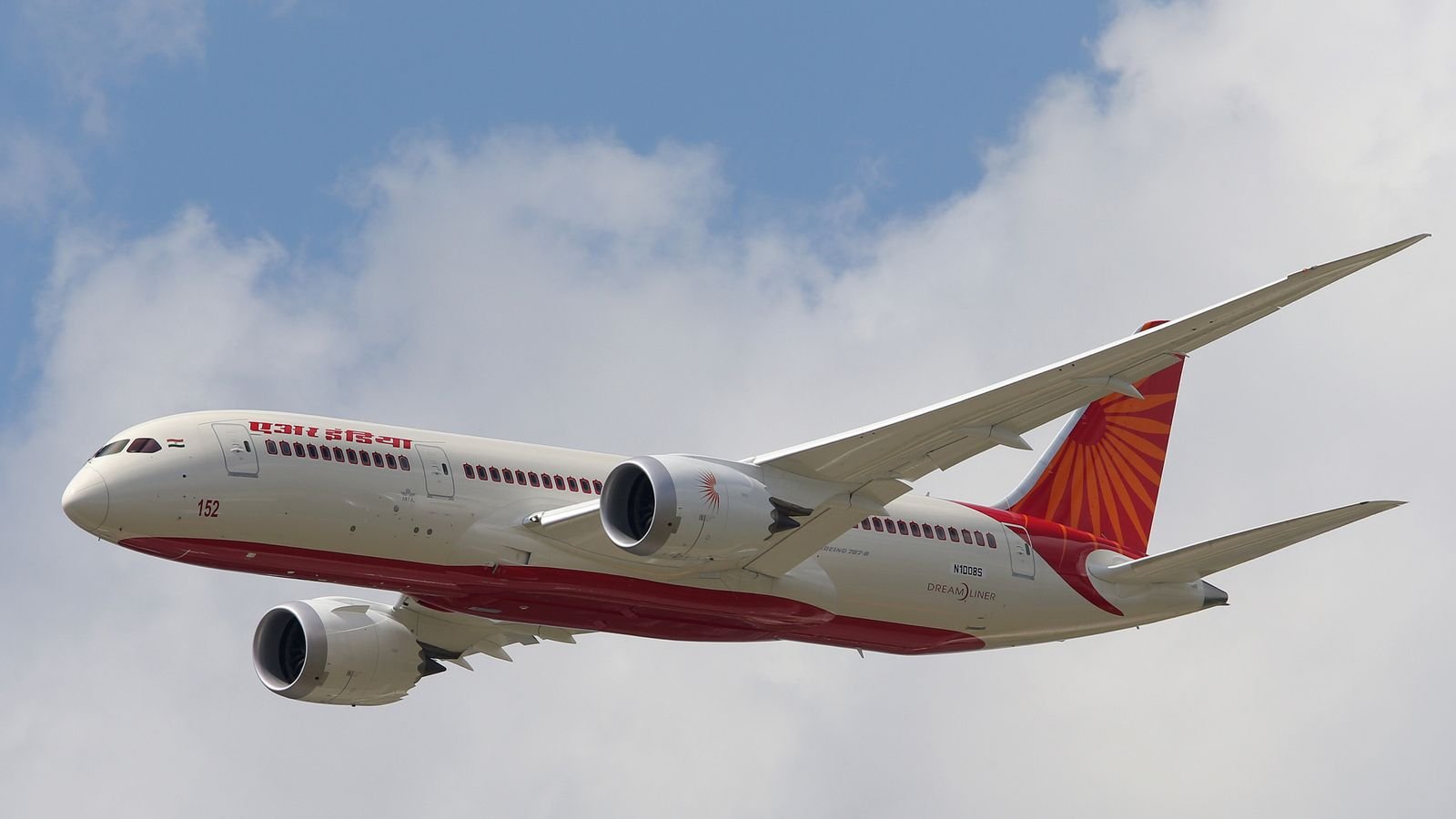
Air India Grounds Boeing 787-8 Dreamliner Over Fuel Control Concerns
A Boeing 787-8 Dreamliner operated by Air India has been grounded following reports of a potential issue with its fuel control switch. This comes in the wake of a tragic incident last June, when a similar model crashed in Ahmedabad, resulting in the loss of 260 lives.
Incident Overview
The grounding decision was prompted by a report from the flight crew of Air India Flight AI132, which was in transit from Heathrow to Bengaluru. The airline has prioritised verifying the pilot’s concerns about the fuel control switch, which has raised alarm among aviation experts.
Despite having conducted prior inspections of the entire Boeing 787 fleet and declaring no issues, Air India is taking this latest report seriously. The airline stated it is working closely with the aircraft’s manufacturer, Boeing, to investigate the reported defect.
Details from the Flight Crew
The flight crew logged an entry indicating that the left fuel control switch was slipping from the “RUN” position to “CUTOFF” during engine start-up, failing to lock securely. This malfunction occurred on two consecutive attempts during the start procedure, raising questions about why the pilots opted to continue with the flight under these circumstances.
Lessons from the Past
This incident echoes a known safety concern identified by the US Federal Aviation Administration (FAA) in 2018. The FAA issued a safety alert regarding similar fuel control switches, highlighting the risk of accidental engine shutdowns resulting from malfunctioning controls.
Expert Opinions
Captain Amit Singh, founder of the Safety Matters Foundation, expressed his concerns over the alarming parallels between this incident and the FAA’s earlier warnings. He believes this situation warrants in-depth investigation through analysing recorded data, as well as switch inspections and maintenance records.
Background
Last June, a crash involving Air India Flight 171, bound for Gatwick, resulted in catastrophic loss of life. The aircraft struck a building shortly after take-off, leaving only one survivor, Briton Viswashkumar Ramesh. A preliminary report by India’s Aircraft Accident Investigation Bureau (AAIB) indicated that issues with fuel control switches might have played a role in the tragic incident.
The AAIB’s findings noted that before the crash, the cockpit switches controlling fuel were inadvertently placed in a “CUTOFF” position, significantly contributing to the disaster.
Ongoing Communication
Air India has communicated the matter to the Directorate General of Civil Aviation (DGCA), assuring passengers that their safety remains the utmost priority. As investigations continue and pressure mounts for clarity, both Air India and Boeing are committed to addressing the pilot’s concerns without delay.
As the investigation unfolds, the aviation community—and indeed the flying public—will be watching closely to ascertain the full implications of these safety alerts and whether they will lead to further changes in operational protocols.
Source: Original Article






