























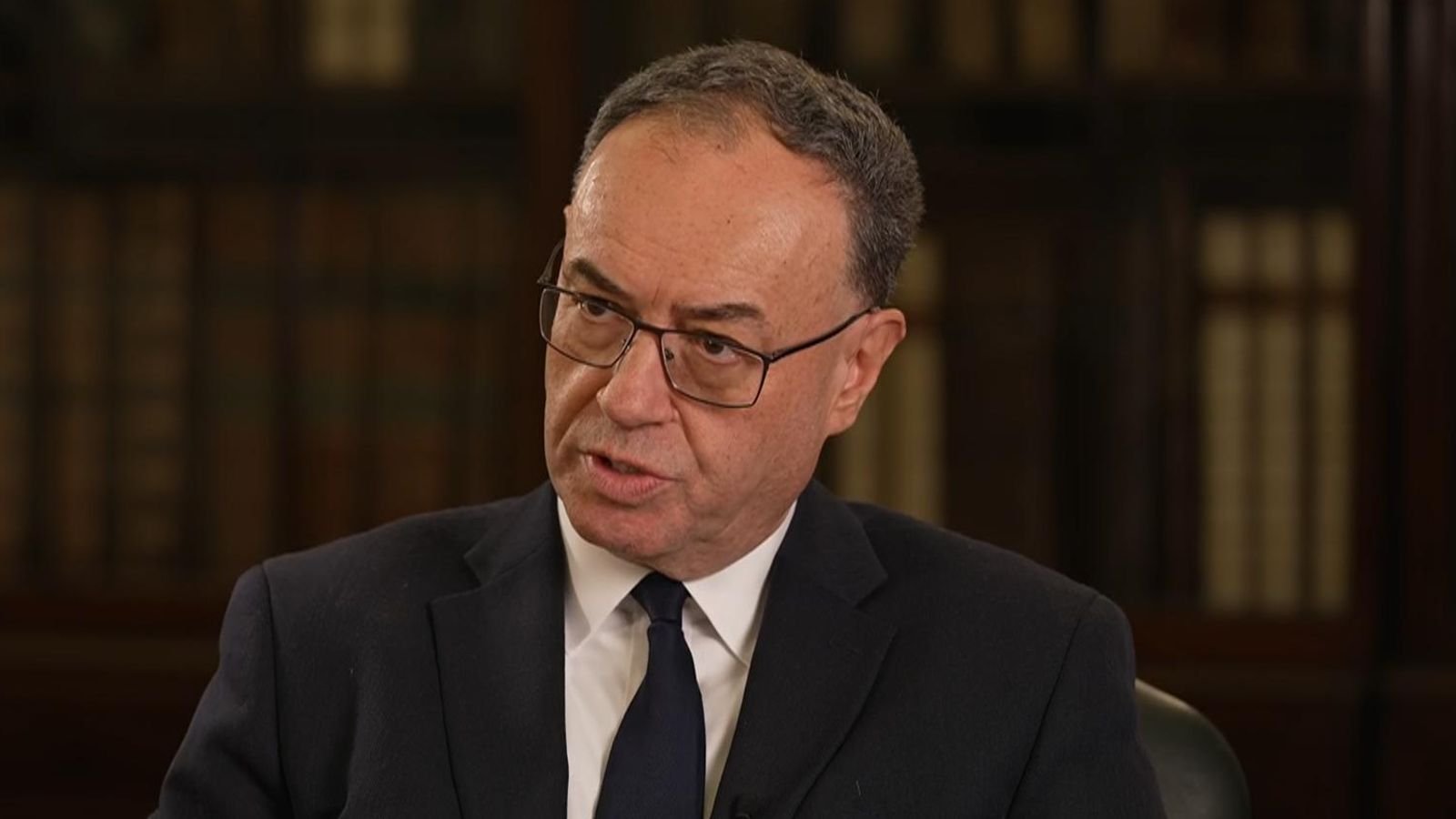
Andrew Bailey Reacts to Revelation About Mandelson and Epstein
Andrew Bailey, the Governor of the Bank of England, expressed strong concern regarding the recent exposure of Peter Mandelson’s interactions with Jeffrey Epstein during the financial crisis. This revelation has raised questions about ethical conduct within the highest echelons of British politics, as Mr. Bailey, who played a pivotal role in bank management during that turbulent period, voiced his dismay over the situation.
Bailey’s Measured Response
Known for his cautious approach, Governor Bailey surprised many by responding with a rare display of emotion when questioned by Sky News. He stated, “I am shocked by what we’re hearing. I am shocked by what we now learn about what went on during the financial crisis period.” His remarks highlight the serious implications of the allegations surrounding Mandelson, who purportedly shared confidential financial information with Epstein while serving as business secretary in 2008.
Context of the Financial Crisis
Bailey’s comments are set against the backdrop of a tumultuous time in UK financial history. In 2008, the Bank of England, along with the Treasury and Downing Street, was engaged in urgent efforts to stabilize the nation’s financial system. The threat of cashpoints running dry and the inability of the government to secure necessary funding loomed large, leading to drastic considerations, including the potential sale of state-owned assets worth £20bn.
Significance of the New Revelations
The implications of Mandelson’s alleged actions are significant. Eyewitness to the crisis management of this period, Bailey’s outrage comes not only from the breach of trust represented but also from the integrity of his late colleague, former Chancellor Alistair Darling, who cannot defend himself against such undermining conduct. The revelations suggest a veil of secrecy that tarnishes the reputations of individuals at the heart of British governance.
Bailey’s Experience with Epstein’s Network
Bailey’s strong reaction can also be attributed to his direct experience dealing with Epstein’s affiliations. As head of the Financial Conduct Authority (FCA) in 2019, Bailey initiated an investigation into Jes Staley, the former CEO of Barclays, regarding his connections with Epstein. The investigation followed Epstein’s arrest and aimed at uncovering the extent of Staley’s relationship with the financier, resulting in Staley’s resignation and subsequent bans from senior roles in the financial sector.
Background
The ongoing fallout from Epstein’s activities has not only implicated various individuals in the UK but also raised broader questions about governance and accountability. The recent disclosures have once again spotlighted the intricate and troubling links between powerful figures in politics, finance, and the notorious financier.
As the story develops, the ramifications for those involved could reshape public perception of trust within British institutions and highlight the need for transparency in governmental affairs.
Source: Original Article






