























Japan’s First Female Prime Minister Faces Crucial Election
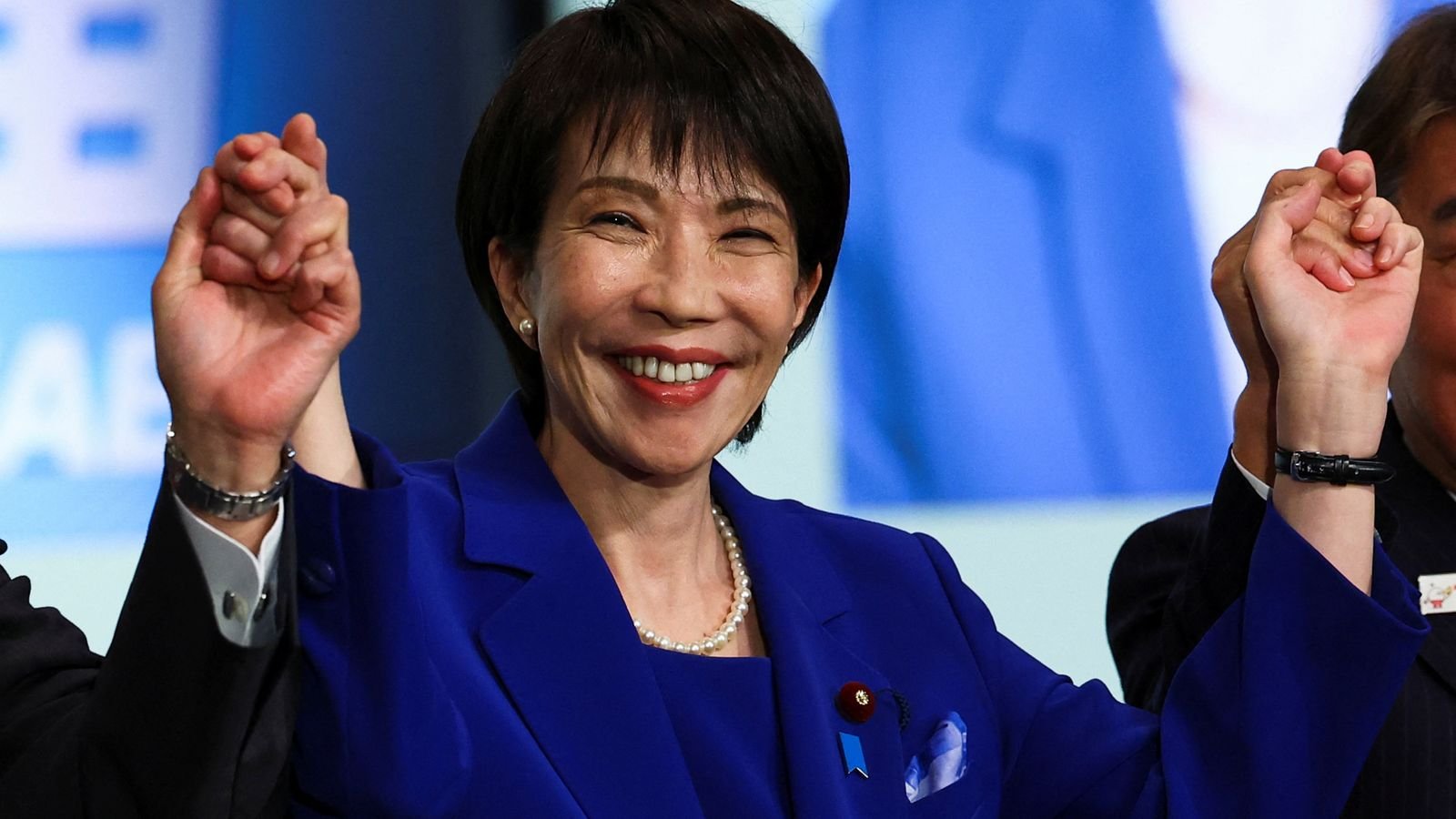
Japan is set to hold a snap election on Sunday, marking a significant electoral moment for the nation’s inaugural female Prime Minister, Sanae Takaichi. Early projections suggest that Takaichi’s Liberal Democratic Party (LDP) is anticipated to secure a strong mandate, bolstered by a wave of support among younger voters.
Popularity Among Young Voters
Recent polling indicates that nearly 90% of voters aged under 30 are backing Takaichi, while her overall approval rating is reported to be around 60%. An NHK survey highlights that her personal popularity significantly outstrips that of the LDP itself.
Takaichi’s appeal is underlined by her image as a relatable leader, endearing herself to younger members of the electorate through personal anecdotes and a vibrant social media presence. From her favoured pink pen to her penchant for rice cracker snacks, she embodies a culture that resonates well with the youth.
Political Background
A protégé of the late Prime Minister Shinzo Abe, Takaichi was elected as the LDP leader in October, fulfilling a long-held ambition for leadership within the party after two previous bids. She assumed the role following significant losses incurred by her predecessor, Shigeru Ishiba, which were attributed to failing economic policies and concerns over political integrity.
Takaichi’s political stance is predominantly conservative, particularly concerning issues of gender and sexual diversity. With an aim to consolidate her party’s support, she is keen on regaining voters who have shifted towards more populist parties in prior elections.
Stances and Controversies
On numerous social issues, Takaichi has shown a preference for traditional values, including advocating a male-only succession in the imperial family and opposing same-sex marriage. Nonetheless, her recent initiatives, such as discussing her experiences with menopause, indicate a willingness to address women’s health issues in a more progressive context.
Internationally, Takaichi has also sparked tensions with China after suggesting that Japan might intervene should China take military action against Taiwan—a notion that Beijing has responded to with diplomatic rebuke and economic repercussions.
Support from Notable Figures
Her foreign policy alignment has garnered attention, particularly her relationship with former US President Donald Trump, who urged her in a private conversation not to escalate tensions with China. Additionally, she has forged ties with Italy’s right-wing populist leader Giorgia Meloni, both politically and through social gestures such as sharing birthday celebrations.
Reasons for the Snap Election
Takaichi’s call for an early election aims to leverage her current high approval ratings—around 70%—to ensure her party secures additional parliamentary seats. The LDP is aiming for a strong majority in the 465-seat lower house to enhance its legislative efficiency, especially concerning a recently proposed budget of £565 billion aimed at combating inflation and bolstering economic growth.
Polls indicate that the LDP could possibly secure around 300 seats, which would significantly improve its position after recent electoral setbacks. However, analysts note that while Takaichi’s popularity is strong, young voters have historically been less likely to participate in elections. This raises questions about whether her appeal will translate into actual voter turnout.
Background
The upcoming election not only serves as a critical assessment of Takaichi’s leadership but also highlights the shifting political landscape in Japan where younger generations are increasingly vocal about their preferences and concerns. As the world watches, the implications of Japan’s first female Prime Minister—and her administration’s policies—could resonate far beyond the nation’s borders.
Source: Original Article






