























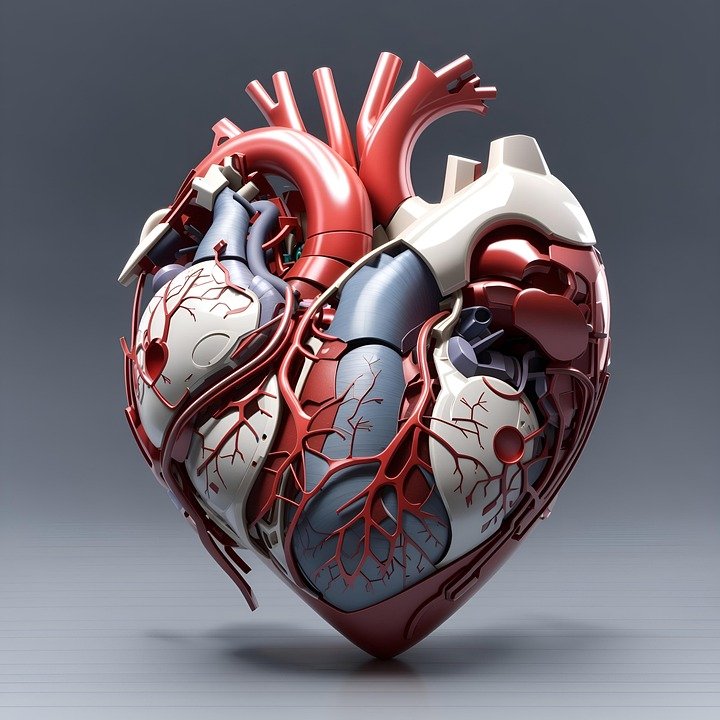
Understanding the Cardiovascular System
The cardiovascular system, composed of the heart, blood, and blood vessels, plays a vital role in maintaining the overall health and functioning of the body. It is responsible for transporting oxygen, nutrients, hormones, and waste products to and from cells. However, its influence extends beyond its own system, as it interacts with other body systems in various important ways.
Interaction with the Respiratory System
The respiratory system works closely with the cardiovascular system to deliver oxygen to the body and remove carbon dioxide. When we breathe in, air enters the lungs, where oxygen is transferred to the bloodstream. The heart then pumps oxygen-rich blood from the lungs to the rest of the body. This collaboration ensures that cells receive the oxygen they need for energy production.
Connection to the Digestive System
The cardiovascular system also cooperates with the digestive system. After food is consumed, nutrients are broken down in the digestive tract and absorbed into the bloodstream. The heart then circulates this nutrient-rich blood throughout the body, delivering essential elements like glucose and amino acids to cells, which are necessary for growth and repair.
Effects on the Endocrine System
The endocrine system, responsible for producing hormones, is significantly linked to the cardiovascular system. Hormones released into the bloodstream play critical roles in controlling various physiological functions. For example, insulin regulates blood sugar levels, and hormones like adrenaline can influence heart rate and blood vessel constriction, affecting how the cardiovascular system operates in response to different situations.
Relationship with the Musculoskeletal System
Physical activity is essential for cardiovascular health, and the musculoskeletal system contributes to this interaction. Exercise strengthens the heart muscle, improves blood circulation, and promotes overall cardiovascular efficiency. Additionally, the skeletal system acts as a reservoir for blood supply through the red bone marrow, where blood cells are produced.
Impact on the Immune System
The cardiovascular system is vital for the immune system’s functioning. Blood transports white blood cells, which are essential for fighting infections and diseases. A healthy cardiovascular system ensures that these immune cells can circulate efficiently throughout the body, enabling a swift response to pathogens.
Collaboration with the Nervous System
The nervous system regulates heart rate and blood vessel diameter through a series of complex signals. The autonomic nervous system controls involuntary functions, such as heart contractions and blood flow, ensuring that the body can respond quickly to stressors or physical activity, thus maintaining a balance in the cardiovascular system.
Conclusion
In summary, the cardiovascular system is intricately connected to various other body systems, including the respiratory, digestive, endocrine, musculoskeletal, immune, and nervous systems. Understanding these interactions highlights the importance of maintaining cardiovascular health to ensure overall well-being. By appreciating how these systems work together, we can better understand the body’s complexity and the importance of a holistic approach to health.






