























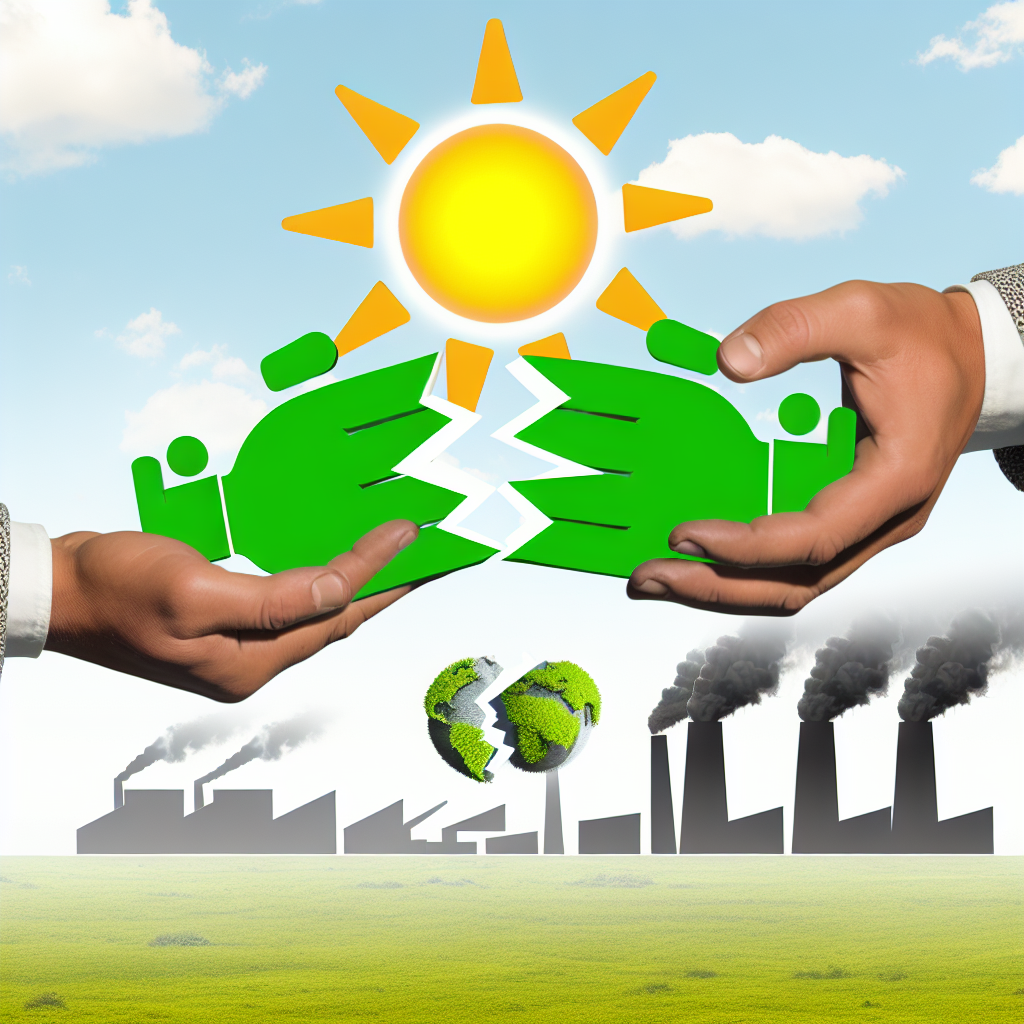
COP30: A Compromise on Climate Action Amidst Ongoing Challenges
Delegates at COP30, the largest annual climate conference, have reached a tentative agreement aimed at accelerating climate action, particularly supporting developing nations grappling with climate impacts. However, the deal notably fails to include any provisions addressing the fossil fuel industry, which is a primary contributor to global warming.
Agreement Highlights
In a bid to showcase international solidarity in the fight against climate change, negotiators in Brazil managed to secure a compromise deal despite challenges, including the absence of an official delegation from the United States, the largest historical emitter of greenhouse gases. The text of the draft agreement emphasises that the shift towards low greenhouse gas emissions is irreversible and acknowledges the progress made under the Paris Agreement adopted in 2015.
Summit president Andre Correa do Lago indicated that while consensus on fossil fuels and forests was lacking, plans for “roadmaps” on these issues would be published in the future. This statement reflects the complexities involved in reaching a unified stance among a diverse group of countries with varying interests.
Mixed Reactions
Critics of the outcome have voiced their concerns, suggesting it represents a disappointing result. Jasper Inventor, a former Philippine negotiator now with Greenpeace International, characterised the deal as “weak.” Meanwhile, the European Union, which had advocated for clearer commitments to phase out fossil fuels, acknowledged the deal’s merits, citing movement in the right direction.
Brazil’s President Luiz Inacio Lula da Silva and numerous nations, including the UK and Colombia, have expressed a desire for a clearer strategy on reducing reliance on fossil fuels. However, major oil-producing nations, including Saudi Arabia and Russia, opposed such prescriptive measures, seeing them as threats to their economic stability.
Importance of COP Conferences
The annual climate conferences play a critical role in international collaboration, attracting world leaders, scientists, and advocates to negotiate collective strategies to mitigate climate change effects. UK Energy Secretary Ed Miliband emphasised the challenges inherent in these discussions, noting the complexity of negotiating among over 190 countries that have a stake in the future of materials, land, and resources affected by climate issues.
While acknowledging the difficulties in achieving consensus, Miliband highlighted that past COP conferences had contributed to meaningful progress in reducing expected global warming impacts and that a significant portion of global GDP is now aligned with net-zero climate aspirations.
Looking Forward
As the negotiations concluded, while the absence of a fossil fuel transition plan raised eyebrows, the ongoing talks indicate an understanding that global cooperation is essential for addressing the climate crisis. The process is arduous, yet it remains the most viable platform for negotiating collective action against one of the most pressing issues of our time.
Background
In the years leading up to COP30, countries had made a collective pledge at COP28 to take more robust action towards climate goals. However, the tangible implementation of these commitments has been widely scrutinised, with many nations falling short of expectations, particularly those whose economies heavily rely on fossil fuel production.
As COP30 unfolds, it becomes increasingly clear that while progress is being made, the path towards a sustainable future remains fraught with challenges and divisions among nations.






