























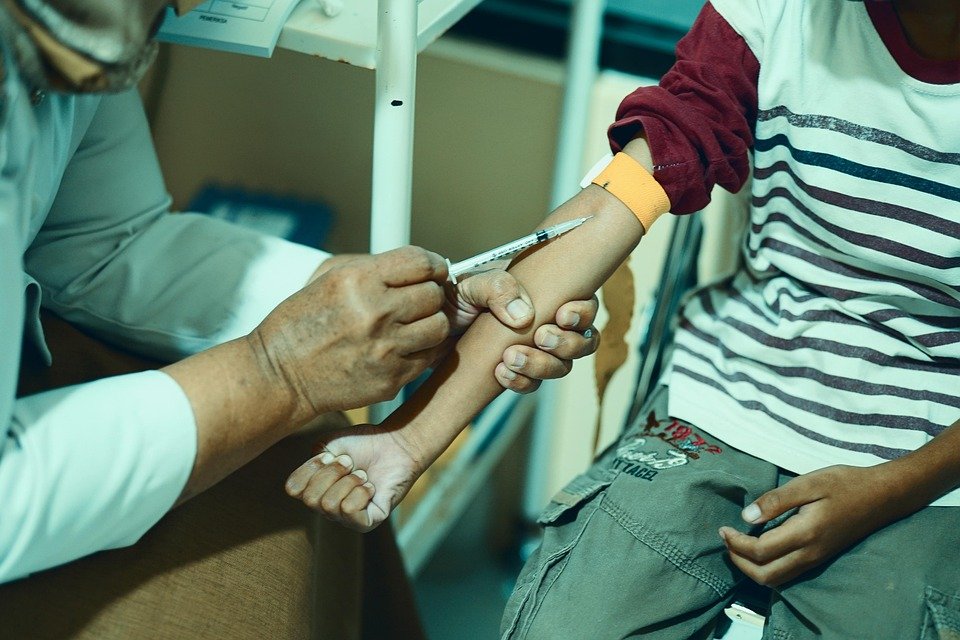
Vaccines play a crucial role in public health by helping to protect individuals and communities from various infectious diseases. Understanding how vaccines work can demystify their function and importance in supporting the immune system.
What Are Vaccines?
Vaccines are biological preparations that provide immunity against specific diseases. They typically contain weakened or inactivated parts of a germ, or pieces of its structure, such as proteins. This allows the vaccine to stimulate the body’s immune system without causing the disease.
How Vaccines Work
When a vaccine is administered, it trains the immune system to recognize and fight off the pathogens it targets. This process involves several key components of the immune system:
- Antigens: These are the harmless parts of the germ introduced by the vaccine, which act as a trigger for the immune response.
- Antibodies: In response to the antigens, the immune system produces antibodies—proteins specifically designed to identify and neutralize pathogens.
- B cells and T cells: These are specialized immune cells that remember the specific antigens. If the actual pathogen is encountered in the future, these cells allow for a faster and more effective immune response.
Activating the Immune System
Vaccines activate the immune system without causing the disease itself. This activation leads to:
- Creation of memory cells that retain information about the pathogen.
- Development of a robust response if the body is exposed to the disease later.
- Reduction in the severity of the disease if a vaccinated person does contract it.
The Importance of Vaccination
Vaccination is not just important for individual health; it contributes to community health by promoting herd immunity. This occurs when a significant portion of a population becomes immune, making it harder for the disease to spread. As a result:
- Individuals who cannot be vaccinated—such as those with certain medical conditions—are better protected.
- Outbreaks of contagious diseases are less likely, benefiting overall public health.
Conclusion
Vaccines are a critical tool in preventing infectious diseases. By understanding how they work to stimulate and support the immune system, individuals can appreciate their importance in maintaining not only personal health but also the health of the community as a whole.






