























Denmark’s Cancer Care Revolution: Lessons for the UK
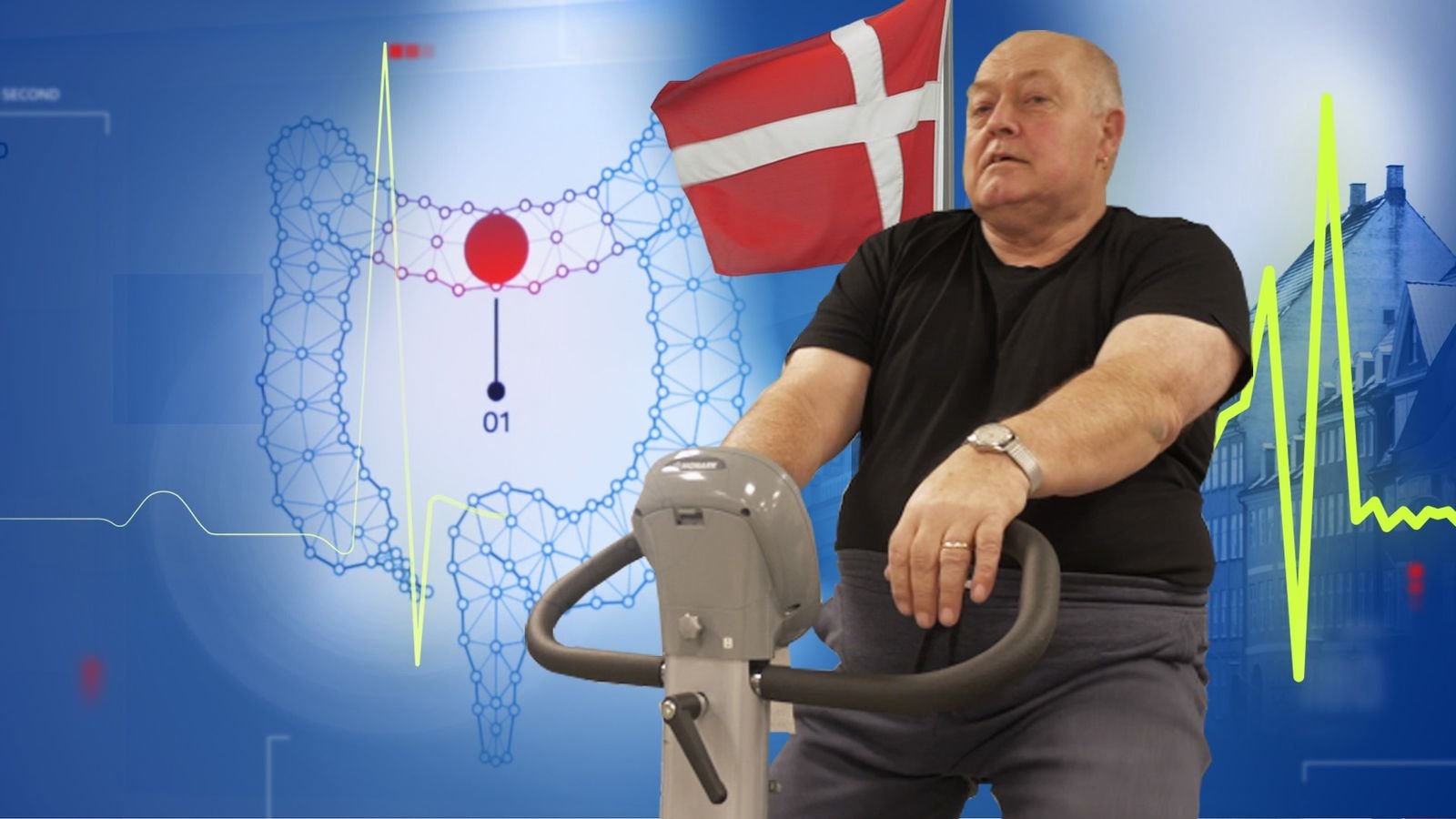
Peter Bogelund, 69, is undertaking a challenging training regimen in preparation for surgery following a stage three bowel cancer diagnosis. His story exemplifies a broader transformation in Denmark’s cancer treatment approach, which has seen substantial improvements in survival rates thanks to strategic national planning that the UK hopes to emulate as it rolls out its own cancer initiative.
The Danish Approach to Cancer Care
Diagnosed just a month ago, Bogelund must train four to five times a week before his surgery to reduce the risk of complications, which could fall from 35% to under 20%. This rigorous preparation is part of Denmark’s holistic strategy to enhance treatment outcomes, which began 25 years ago when the country faced some of the lowest cancer survival rates globally.
In a remarkable turnaround, Denmark has introduced five national cancer plans since 2000. The initiative not only addresses treatment but also incorporates advanced technologies like AI modeling to identify patients who might benefit from early intervention. This proactive strategy has cemented Denmark’s position as a leader in cancer care.
State-Funded Healthcare
Much like the NHS, Denmark offers healthcare funded by the state, ensuring that patients receive treatment without financial burden. However, the efficiency of Denmark’s system shines through its impressive metrics: 99% of cancer patients commence treatment within four weeks of referral, significantly outperforming the UK’s current statistics.
Survivorship and Aftercare
Signe Damgaard’s experience illustrates the effectiveness of Denmark’s cancer treatment. Diagnosed with advanced cervical cancer, she was swiftly enrolled in a treatment pathway that included surgery and post-operative therapies. Despite the personal toll, including fertility loss, Damgaard credits the system with saving her life, highlighting Denmark’s focus on quick and comprehensive care.
Denmark’s latest cancer plan seeks to enhance support for survivors post-treatment, a sentiment echoed by Dr. Lena Saltbaek, who runs a clinic dedicated to addressing long-term effects of cancer treatment. This clinic aims to provide holistic support, addressing emotional, psychological, and physical challenges that patients may face after treatment.
The UK’s Cancer Care Challenges
In stark contrast, the UK’s cancer care system struggles with delays and extended waiting times for treatment, a situation that has worsened over recent years. In November 2025, nearly 30% of cancer patients on the NHS had to wait more than two months to begin treatment after urgent referrals—far exceeding the 15% target set by health authorities.
Claire Wraight, who was diagnosed with breast cancer at 40, faced a lengthy delay before her own treatment began, leading to a relapse that spread the disease to her liver and bones. Her case underscores the consequences of inefficiencies within the UK system, where early intervention is critical for improving survival rates.
Looking Ahead: The UK’s National Cancer Plan
The UK government is set to unveil its much-anticipated National Cancer Plan, which aims to improve diagnosis speeds and treatment outcomes by learning from Denmark’s successful strategies. Jasper Fisker, head of the Danish Cancer Society, emphasizes the importance of long-term planning in transforming health outcomes. He advises that substantial changes in cancer care would take time, potentially requiring up to 20 years for a complete overhaul.
As the UK embarks on this journey, it stands at a crossroads—facing significant challenges but also an unparalleled opportunity to reshape the future of cancer care by adopting proven methods from its Scandinavian counterpart.
Background
Denmark’s achievements in cancer survival are rooted in systematic investments and a commitment to continuous improvement over the past 25 years. Since introducing its first National Cancer Plan in 2000, the country has steadily refined its approach, seeking to ensure that all patients receive timely and effective care, a stark contrast to the UK’s current struggles with wait times and treatment accessibility.
Source: Original Article






