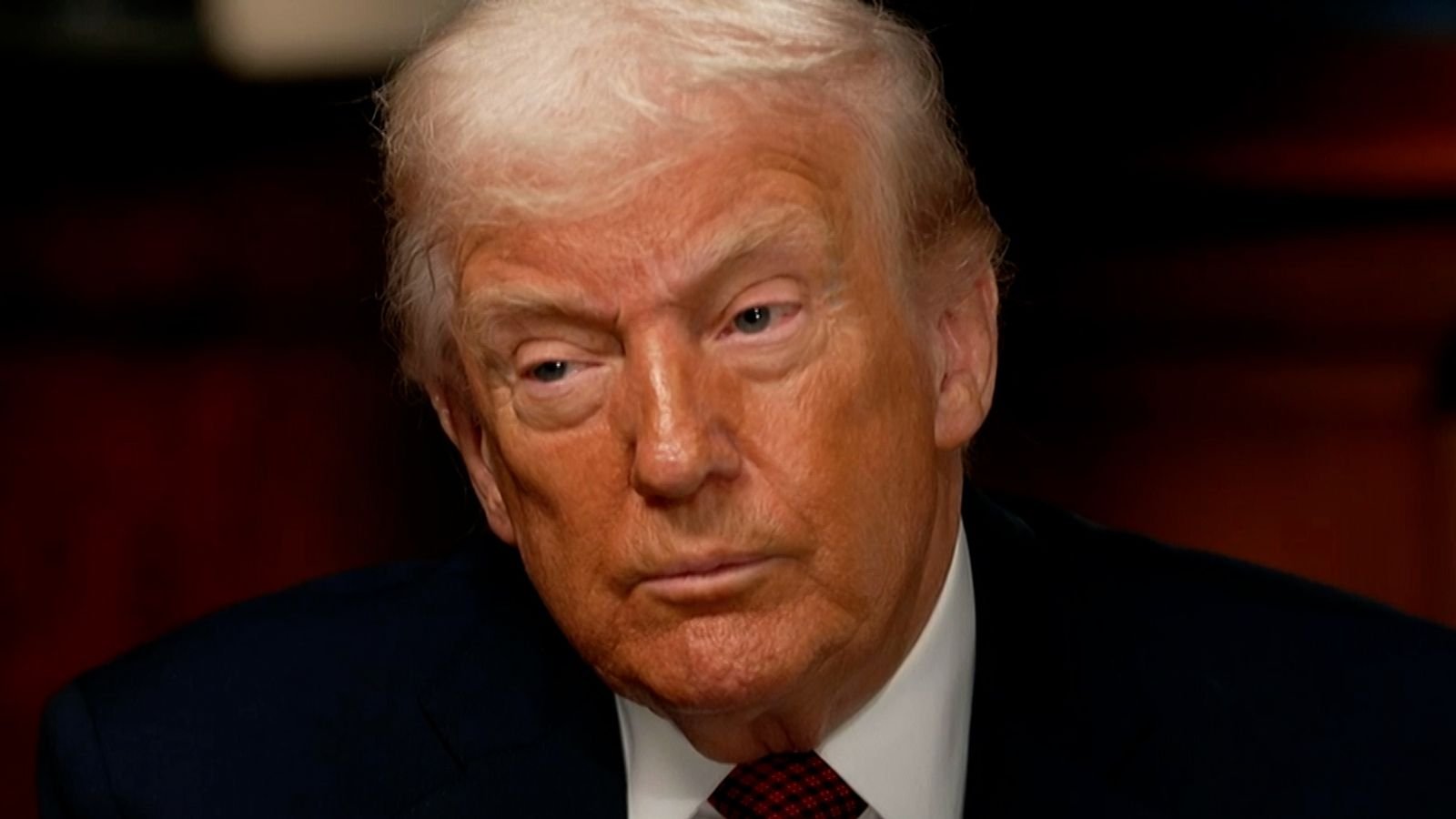
Trump Dismisses Europe as “Weak” in Controversial Interview
In a recent interview with Politico, former U.S. President Donald Trump delivered a scathing critique of Europe, branding it as “weak” and “decaying.” His remarks come amidst tensions surrounding the ongoing conflict in Ukraine and the newly released U.S. national security strategy, adding an additional layer of strain to transatlantic relations.
Trump’s Critique of European Leadership
During the extended interview, Trump expressed a clear dissatisfaction with European leaders, claiming they are ineffective in addressing the ongoing war between Russia and Ukraine. He remarked, “They talk but they don’t produce,” implying that European nations are not doing enough to find a resolution as hostilities continue. The former president’s assessment has prompted significant backlash from European capitals, where leaders are likely reacting to his string of critiques.
Diverting Responsibility?
Trump notably shifted the blame for the prolonged conflict onto Ukraine and its European allies, neglecting to mention Russia’s lack of commitment to cease its invasion. This framing aligns with Trump’s narrative that America is not fully obligated to carry the burden of international peacekeeping, as evidenced by his assertion that without his leadership, the threat of World War III would be imminent. Critics argue that such statements embolden Russian President Vladimir Putin and undermine European security efforts.
European Reactions and Concerns
In response to Trump’s comments, German Chancellor Friedrich Merz voiced significant concerns regarding the recent U.S. national security strategy. He labelled some portions as “unacceptable” and stressed that Europe is more than capable of managing its democratic integrity. “I see no need for America to want to save democracy in Europe,” he stated, articulating a growing sentiment among European leaders for greater self-reliance in security matters.
European Leaders Seek Independence
Merz emphasized that Germany and Europe must work toward greater independence from American influence in crafting their own security policies. While Trump hailed increased defence spending by European NATO members as a positive outcome of his presidency, the German Chancellor warned that an “America first” ideology does not align with Europe’s needs.
Immigration Policy as a Point of Contention
Trump also criticized European immigration policies, asserting that their current trajectory could jeopardise the viability of several countries. He described Europe as “decaying” and labelled immigration a “disaster.” His views resonate with some European voters but contradict data showing a 22% decline in irregular crossings into the European Union in recent months.
Future Political Interference?
Amidst these discussions, Trump hinted at a potential future where he might “endorse” preferred candidates in European elections, a notion that has already prompted concerns from European leaders about American interference in domestic political choices. European Council President Antonio Costa remarked that allies should not threaten to meddle in one another’s political affairs, asserting the need for Europe to remain sovereign in its decision-making.
Background
The backdrop to Trump’s criticisms is a fraught geopolitical landscape, heightened by the ongoing war in Ukraine, which has shifted the focus on security policies across Europe. With the concerns around U.S. commitment to NATO and European security now more pronounced than ever, Trump’s remarks appear to encapsulate a growing anxiety regarding the reliability of transatlantic alliances.
As European leaders prepare their responses, it is clear that despite the contentious nature of Trump’s comments, the necessity for American support in the conflict against Russian aggression remains a priority for many on the continent.
Source: Original Article