























MPs Set to Debate New UK-EU Customs Union After Historic Vote
Members of Parliament (MPs) are preparing to discuss a proposal for a bespoke customs union between the UK and the EU, prompted by a rare tied vote in the House of Commons. Proposed by Liberal Democrat MP Dr. Al Pinkerton, the motion garnered equal support and opposition, with 100 votes each. This marked the first tied vote in Parliament since 2019.
Details of the Vote
The tie necessitated that the Speaker or deputy speaker cast a decisive vote, and Caroline Noakes, who chaired the session on Tuesday, indicated her support for additional debate by voting ‘aye’. A second reading on the motion is expected to take place on 16 January.
Notably, thirteen backbenchers from the Labour Party, including Dame Meg Hillier, chair of the Treasury select committee, backed the Liberal Democrat proposal, while only three Labour MPs opposed it.
Context and Implications
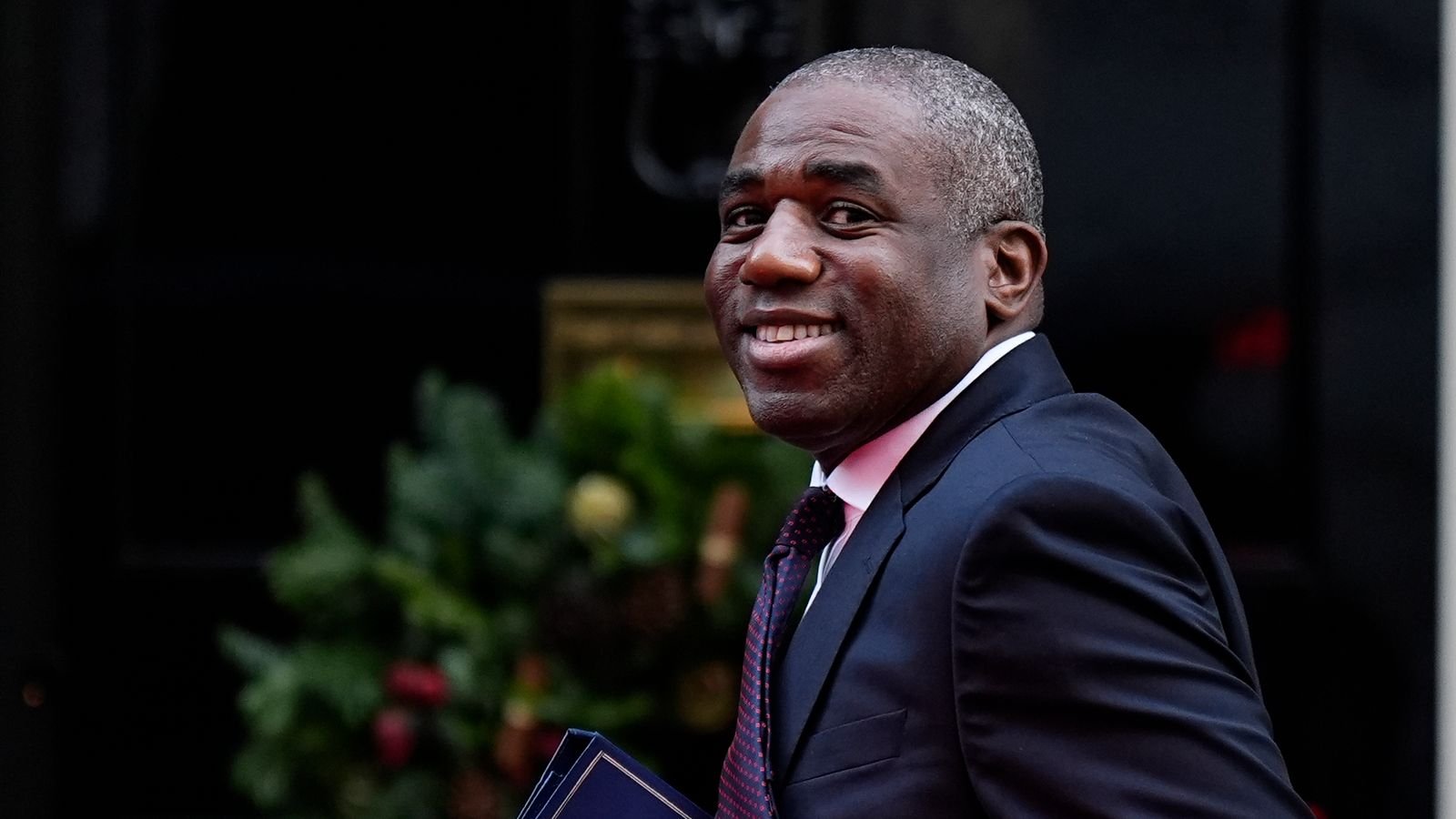
The proposal comes on the heels of comments made by Deputy Prime Minister David Lammy, who hinted at supporting a new customs union, despite clarifying that it is not current government policy. Speaking on the News Agents podcast, Lammy stated that leaving the EU has harmed the UK’s economy and pointed out that countries like Turkey have benefited from customs unions.
Government Response
In response to Lammy’s comments, ministers have been quick to dismiss the idea of re-entering a customs union. Work and Pensions Secretary Pat McFadden stressed the challenges posed by existing trade agreements made with the United States, India, and the EU. Similarly, a spokesperson for the Prime Minister emphasized the importance of maintaining an open trading economy, adhering to the “red lines” established in Labour’s 2024 general election manifesto, which explicitly rules out a return to the customs union or single market.
Reactions
Sir Ed Davey, leader of the Liberal Democrats, hailed the tied vote as a pivotal moment, arguing that establishing a customs union with the EU could significantly boost the economy and improve public services funding. This sentiment echoes the ongoing debates about the impact of Brexit, which saw the British public narrowly vote to leave the EU in 2016, culminating in the UK’s formal exit in 2020.
Background
The precarious economic landscape following Brexit continues to fuel discussions surrounding trade agreements and relationships with the EU. The recent vote reflects a growing dialogue among MPs regarding the potential benefits of a new customs framework, marking an evolving stance within UK politics toward post-Brexit economic strategy.
Source: Original Article






