Bridal fashion has evolved dramatically over the centuries, reflecting cultural values, social norms, and advancements in textile technology. This comprehensive exploration reveals the diverse traditions that shape bridal wear across the globe.
Historical Origins of Bridal Wear
The concept of wearing special attire for weddings can be traced back to ancient civilizations. In many cultures, brides wore their finest clothing to symbolize purity and prosperity.
- Ancient Rome: Roman brides were often draped in a traditional tunic, known as a “tunica recta,” accompanied by a flame-colored veil called “flammeum,” believed to ward off evil spirits.
- China: Traditionally, Chinese brides donned a red qipao or cheongsam, symbolizing good fortune and happiness, often embellished with gold embroidery and intricate patterns.
- Egypt: Brides in ancient Egypt wore white linen dresses, showcasing wealth and status, along with intricate headpieces made of gold and precious stones.
Influence of Color and Fabric
The choice of color and fabric in bridal wear has varied significantly through cultures and epochs. While white is commonly associated with modern Western weddings, other cultures embrace a spectrum of colors.
- Western Traditions: The iconic white bridal gown was popularized by Queen Victoria in 1840, who wore a white silk gown for her marriage to Prince Albert. This choice represented purity and became a standard over time.
- Indian Traditions: In India, brides often wear vibrant red or maroon sarees or lehengas, adorned with gold embellishments, representing love and prosperity.
- Middle Eastern Traditions: In many Middle Eastern cultures, brides might choose rich, jewel-toned fabrics with intricate embroidery, reflecting the opulence of their heritage.
Influential Designers and Their Interpretations
Renowned designers have made significant contributions to bridal fashion, interpreting timeless traditions through their unique lenses. Here are a few key figures:
- Coco Chanel: Chanel revolutionized bridal wear in the early 20th century by emphasizing simplicity and elegance, moving away from the opulent styles of the Victorian era.
- Christian Dior: With his “New Look” in the post-World War II era, Dior’s designs redefined femininity in bridal wear, showcasing hourglass silhouettes crafted from luxurious fabrics.
- Vera Wang: Emerging in the late 20th century, Wang brought a modern edge to wedding gowns with her dramatic designs and innovative use of materials.
Bridal Accessories: Enhancing the Ensemble
Accessories play a crucial role in completing a bridal look, varying widely across cultures and personal preferences. Common elements include:
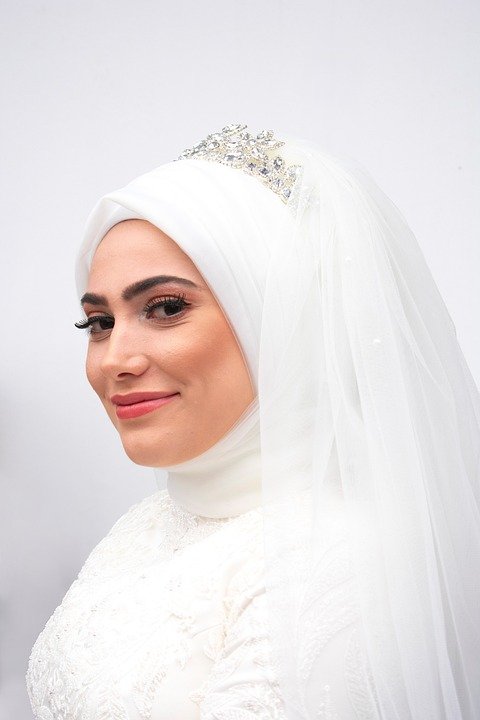
- Veils: Historically, veils signify modesty and purity, with styles ranging from simple lace to elaborate cathedral-length designs.
- Headpieces: Flowers, tiaras, and decorative combs are commonly worn, symbolizing beauty and celebration.
- Jewelry: Many brides wear heirloom pieces or symbolic jewelry to enhance their attire, often featuring pearls or gemstones that hold personal meaning.
Conclusion
Bridal fashion is a rich tapestry woven from history, culture, and personal expression. While trends may ebb and flow, the enduring significance of bridal wear reflects the profound beauty and commitment that weddings represent in diverse cultures around the world. As fashion continues to evolve, the traditions of bridal wear remain an essential thread in the fabric of human connection and celebration.