Understanding Tempo in Music
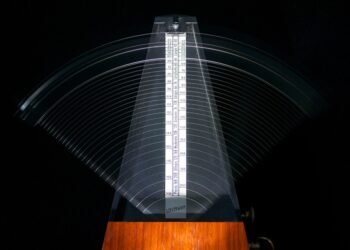
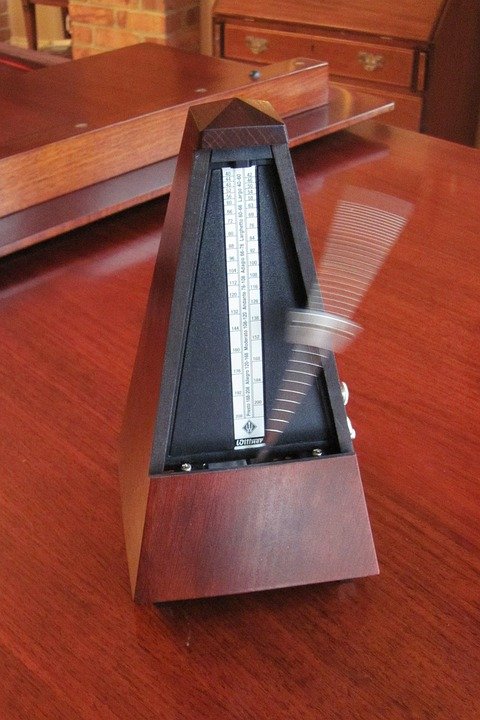
Tempo, the speed at which a piece of music is played, is a fundamental aspect of musical composition that significantly influences the mood and expressiveness of a piece. Throughout history, composers have utilized tempo to enhance their works, from the intricate counterpoint of Johann Sebastian Bach to the emotive symphonies of Ludwig van Beethoven.
Bach: The Foundation of Rhythm
Johann Sebastian Bach (1685-1750) was known for his mastery of counterpoint and complex musical structures. His works often feature a variety of tempos and rhythmic patterns that contribute to the richness of his compositions. Bach utilized tempo changes not just for stylistic purposes but also to enhance the narrative and emotional depth of his music.
- Dance Forms: Many of Bach’s compositions, especially in his suite movements, are based on dance forms that have specific tempos (e.g., allemande, courante, sarabande). Each dance has a characteristic speed, allowing performers to evoke specific cultural and emotional responses.
- Contrast in Tempos: Bach often created contrast by juxtaposing slow and fast tempos within the same work, enhancing the listener’s experience and emotional engagement.
Classicism and the Rise of the Symphony
As music transitioned into the Classical era, composers such as Wolfgang Amadeus Mozart and Joseph Haydn further explored the relationship between tempo and form. The symphonic form became more prominent, with composers standardizing the four-movement structure that typically includes variations in tempo.
- Sonata-Allegro Form: In this structure, tempo changes play a pivotal role in differentiating between themes and sections, emphasizing the development of musical ideas.
- Tempo Markings: Composers began to specify tempo markings (e.g., allegro, andante) in their scores, providing guidance to performers on the desired pace of the music.
Beethoven: The Innovator
Ludwig van Beethoven (1770-1827) is often seen as a bridge between the Classical and Romantic periods. He explored tempo with increased expressiveness, using it as a vehicle for emotional depth and dramatic narrative in his compositions.
- Dramatic Contrasts: Beethoven was known for his dramatic shifts in tempo, often using abrupt changes to heighten tension and excitement, as seen in his symphonies and piano sonatas.
- Expansion of Form: Beethoven expanded traditional forms, providing more flexibility with tempo changes to express the ranges of human emotion, which laid the groundwork for later Romantic composers.
The Legacy of Tempo in Music
The exploration of tempo by composers like Bach and Beethoven not only shaped their works but also laid the groundwork for future generations. Their innovative use of rhythm and tempo continues to influence composers across genres, reflecting the enduring importance of tempo in the musical landscape.
Understanding tempo in music is crucial for performers, composers, and listeners alike. It serves as a framework for interpreting and appreciating the artistic intent behind each piece, linking the historical context with contemporary musical expression.