























Exploring Britain’s Most Challenging Christmases for Prime Ministers
Christmas is often considered a joyous season, yet for various British prime ministers throughout history, it has been a time of significant turmoil and distress. Recent insights shared on the “Electoral Dysfunction” podcast reveal numerous challenges faced by leaders in the midst of festive celebrations.
Historical Context
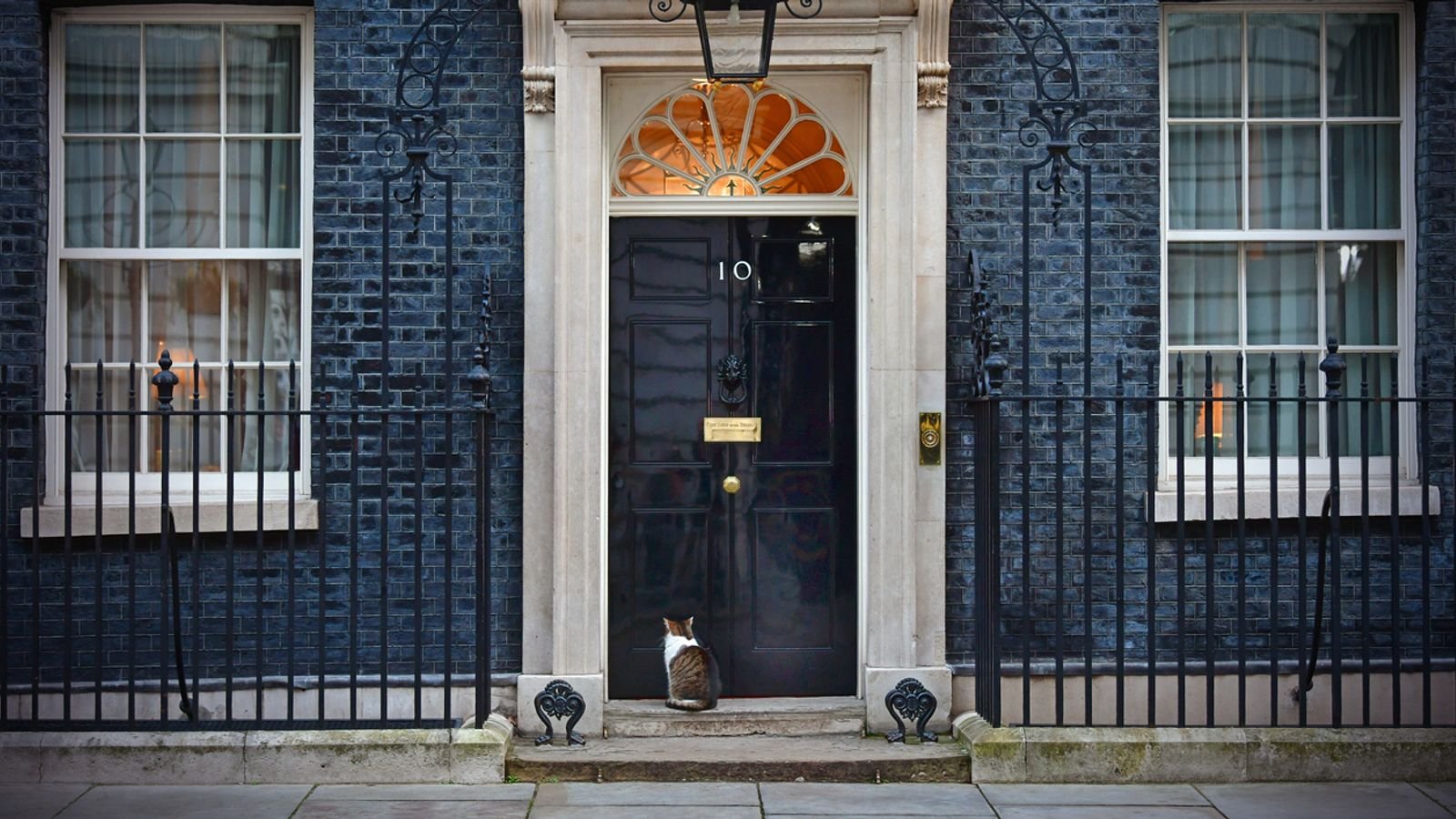
The festive season can be a period of reflection, making it an insightful backdrop to explore the hardships encountered by those at the helm of the UK government. From military defeats to personal crises, the traditional merriment has often been shadowed by heavy burdens for occupants of 10 Downing Street.
Lord North: A Christmas of Defeat
One of the earliest examples cited by historian Dan Snow is Lord North, who governed from 1770 to 1782. In December 1781, amidst the American Revolutionary War, he grappled with the devastating news of Britain’s loss at Yorktown. This led him to lament, “Oh God, it’s all over,” a foreshadowing of his political downfall.
Goderich’s Distress
Another prime minister marked by a tragic Christmas was Frederick Robinson, Viscount Goderich, who led briefly in 1827. Reports from that period describe him as extremely unsettled, facing not only political challenges but also personal turmoil due to his wife’s mental health crisis. His resignation in January 1828 came amidst tears, making for an exceedingly bleak holiday season.
Stanley Baldwin’s Poor Timing
Moving into the 20th century, Stanley Baldwin’s decision to call an early general election in December 1923 proved disastrous. His initiative to introduce new tariffs in hopes of reigniting an economic recovery backfired, resulting in a loss of his parliamentary majority and a subsequent resignation soon after Christmas.
Winston Churchill’s Unfortunate Encounters
In December 1941, Winston Churchill inadvertently caused a diplomatic faux pas by exposing himself to US President Franklin D. Roosevelt during a visit at the White House. Additionally, the period was marred by health issues, with Churchill reportedly suffering a series of heart attacks over that holiday. These events added an unexpected layer of stress during the festive season.
Anthony Eden and the Suez Crisis
Anthony Eden, who followed Churchill as prime minister, faced his own trials during Christmas 1956, embroiled in the Suez Crisis. Under the influence of medication, he purportedly lied to Parliament about the situation and was besieged by health concerns, ultimately stepping down in January 1957.
Gordon Brown’s Financial Turmoil
In 2008, Gordon Brown faced immense pressure as he endeavoured to stabilise the UK’s financial system amidst a looming crisis. The day after Christmas, he was met with headlines speculating about a plot to remove him from office, making his festive period particularly stressful.
Why This Matters
Understanding the struggles of former prime ministers during Christmas offers a unique lens on the responsibilities and pressures associated with leadership, especially during crises. These historical anecdotes provide a reminder that while many celebrate the holiday with joy, some leaders are faced with fierce political and personal battles, often overshadowing the festivities.
Background
This exploration of Britain’s prime ministers and their tumultuous Christmases enriches our understanding of the challenges faced by leaders at pivotal moments in history. Each narrative underscores the complex interplay between public duty and personal struggle, reflecting on how leadership is frequently tested during times when joy is expected.
Source: Original Article






