























Understanding First Aid Essentials
First aid is the immediate assistance provided to someone who has been injured or is experiencing a medical emergency. Recognizing and effectively treating common injuries can help alleviate pain and prevent further complications. In this article, we will discuss some essential first aid techniques for common injuries.
Common Injuries and Their Treatment
1. Cuts and Scrapes
Minor cuts and scrapes are frequent injuries that can occur in many everyday situations.
- Cleaning: Rinse the wound under clean, running water to remove any dirt or debris.
- Disinfecting: Apply a mild antiseptic to the area to avoid infection.
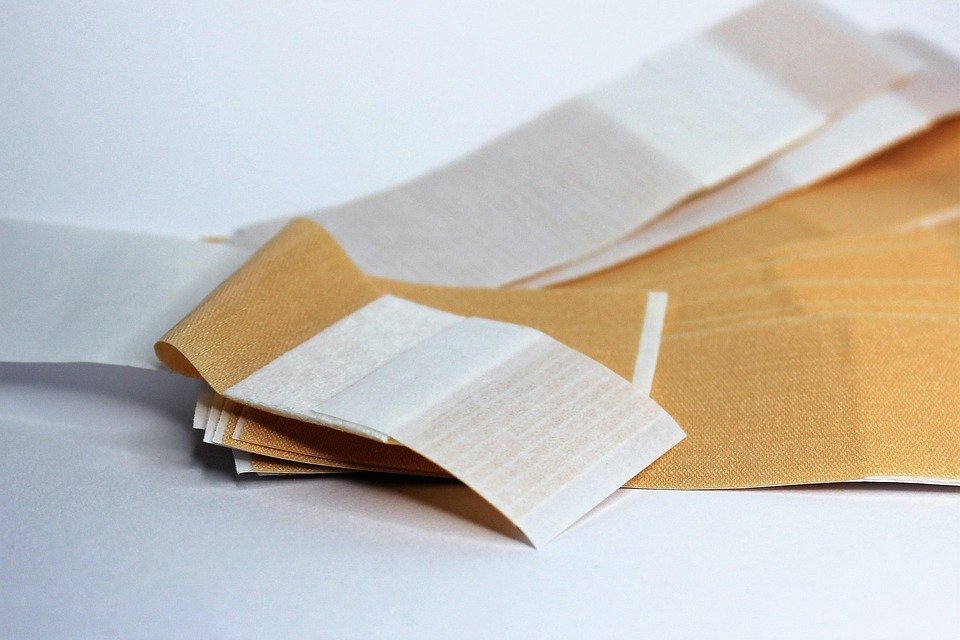
- Covering: Use a sterile bandage or dressing to protect the wound.
2. Burns
Burns can result from heat, chemicals, or electricity. The severity can vary.
- Cooling: For minor burns, cool the area by gently running cool (not cold) water over it for several minutes.
- Covering: Use a clean, non-stick bandage to protect the burn.
- Avoiding: Do not apply ice, butter, or ointments on the burn, as they can worsen the injury.
3. Sprains and Strains
Sprains (ligament injuries) and strains (muscle injuries) are common sports and activity-related injuries.
- Rest: Avoid using the injured area to prevent further damage.
- Icing: Apply an ice pack to reduce swelling, ensuring to cover it with a cloth to protect the skin.
- Compression: Use an elastic bandage to help manage swelling.
- Elevation: Raise the injured limb above the level of the heart to minimize swelling.
4. Nosebleeds
Nosebleeds can occur for various reasons, including dry air or minor injuries.
- Positioning: Sit upright and lean slightly forward to avoid swallowing blood.
- Pressure: Pinch the soft part of the nose together for about 10 minutes.
- Cold Compress: Applying a cold compress to the nose can help constrict blood vessels.
5. Choking
Choking occurs when an object obstructs the airway.
- Encouragement: If the person can cough or speak, encourage them to continue coughing to expel the object.
- Heimlich Maneuver: If necessary, perform abdominal thrusts (if trained) to dislodge the object.
General First Aid Principles
When providing first aid, it’s essential to keep a few general principles in mind:
- Ensure Safety: Always check for hazards in the environment before assisting the injured person.
- Stay Calm: Keeping your composure can help the injured person feel more at ease.
- Call for Help: If the situation is serious or beyond basic first aid, seek professional medical help promptly.
Knowing how to respond in emergency situations can significantly impact outcomes. While it can be beneficial to take a certified first aid course for more in-depth knowledge, understanding these essentials can assist you in providing immediate help when required.






