























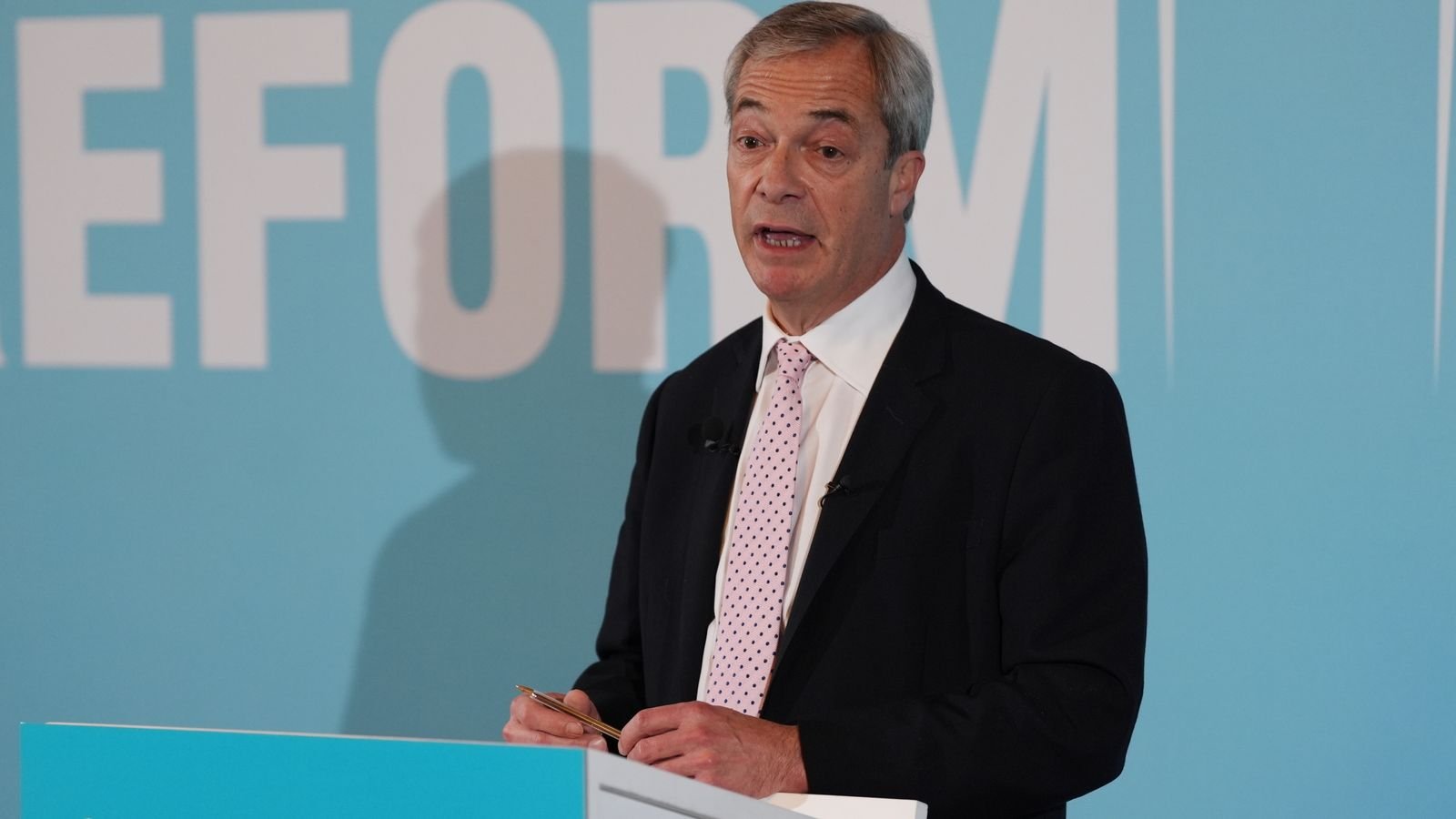
Former Schoolmates Accuse Nigel Farage of Antisemitic Behaviour in the 1970s
Allegations have emerged against Nigel Farage, the leader of Reform UK, suggesting he engaged in racist and antisemitic behaviour during his time at Dulwich College in the 1970s. Former classmates have come forward with accounts detailing remarks made by Farage that they describe as unacceptable and hurtful.
Claims from Former Classmates
Jean-Pierre Lihou, a former school friend of Farage, stated that he initially befriended the politician but soon realised that Farage was markedly different from what he had expected. Lihou recounts instances where Farage allegedly directed antisemitic songs and made derogatory comments towards non-white students, particularly those of Indian descent.
Lihou disclosed to Sky News that Farage would sing offensive songs about gas chambers, specifically targeting Jewish classmate Peter Ettedgui. According to Lihou, the repeated use of such language came despite clear distress from those affected. Lihou also noted that Farage exhibited a particular disdain for individuals with the surname Patel, suggesting this stemmed from the school’s demographic composition.
Reactions from Other Former Students
Another former classmate, Stefan Benarroch, corroborated Lihou’s allegations, stating that Farage’s behaviour was reprehensible by any standards. Benarroch emphasized that such actions came from a young man who was not a child in his final years at school, rendering them even more unacceptable.
Benarroch expressed that he witnessed Farage’s bullying tactics, particularly aimed at Jewish students. He suggested that the scars from such experiences linger long after the incidents, denoting that such extreme behaviours have lasting effects on the victims.
Farage’s Response and Political Implications
In light of these serious accusations, Farage has maintained that he never directly racially abused anyone during his time at Dulwich. He claims that the allegations are politically motivated, emerging nearly fifty years later. Supporters of Farage have echoed these sentiments, with Reform UK’s deputy leader Richard Tice branding the former classmates as liars and accusing media outlets of attempting to undermine the party’s electoral prospects.
Farage recently highlighted letters from other former pupils who contest the allegations, describing interactions at school as typical “boyish banter.” However, critics argue that such dismissals do not adequately address the gravity of the claims, especially given the accounts of profound hurt expressed by those affected.
Background
Allegations of racism and antisemitism directed towards Farage have surfaced periodically since the onset of the Brexit campaign in 2013. He has consistently dismissed these claims as politically motivated attacks against him. Recently, however, as Farage’s political aspirations appear to gain ground, former schoolmates are speaking out with renewed urgency. The claims have attracted significant media attention, raising questions about Farage’s past and how it could influence his political future.
Current Political Context
The growing backlash against Farage’s alleged past behaviours coincides with increasing scrutiny from political opponents, who are capitalizing on the situation to press for accountability. Calls for Farage to come forward and clarify the allegations have intensified, particularly from the Labour and Liberal Democrat parties.
With the mounting pressure and potential ramifications for his political career, the unfolding story highlights the importance of addressing historical actions and how they resonate with today’s political landscape in the UK.
Source: Original Article






