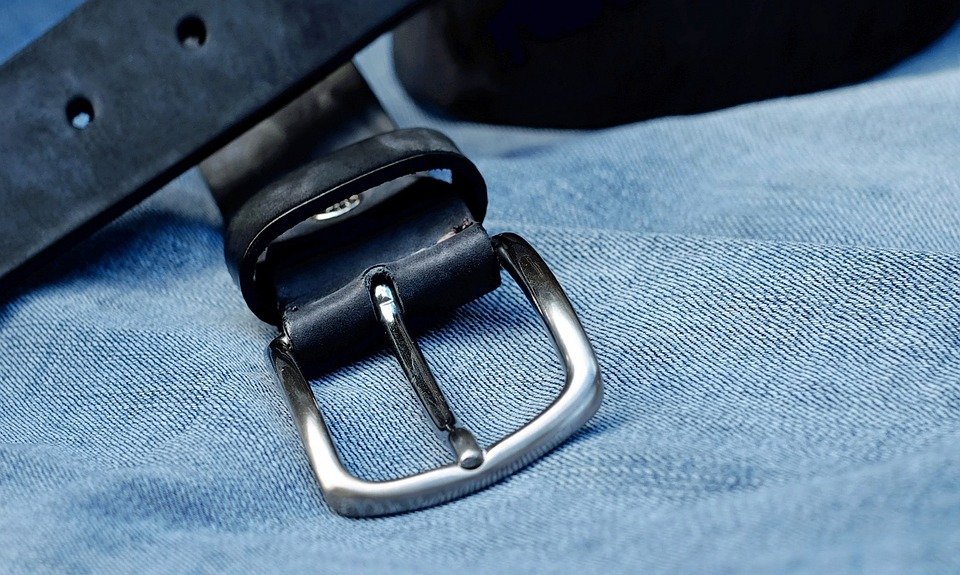
The Historical Context of Fashion Accessories
Accessories have played a pivotal role in fashion history, evolving alongside societal changes, technological advancements, and artistic movements. From the early days of adornment with natural materials to the sophisticated statement pieces of the modern era, accessories reflect not only individual style but also cultural values.
Coco Chanel: A Turning Point in Accessories
Coco Chanel revolutionized women’s fashion in the early 20th century by introducing a more casual elegance that emphasized comfort and functionality. Her iconic designs, such as the Chanel No. 5 perfume and the quilted handbag, not only set trends but also defined the role of accessories in completing an outfit.
Chanel’s use of costume jewelry challenged the notion that luxury had to be synonymous with precious materials, paving the way for bold and playful approaches to accessories.
The Golden Age of Accessories
The 1940s and 1950s saw accessories taking center stage, as designers like Dior introduced the “New Look,” which featured cinched waists and full skirts. Accessories such as wide-brimmed hats, gloves, and statement jewelry became essential components of high fashion. This era emphasized:
- Structured handbags
- Elaborate brooches
- Stylish eyewear
The Impact of Social Change in the 1960s and 1970s
The 1960s and 1970s were marked by social revolutions that influenced fashion and accessories significantly. The rise of youth culture and counterculture movements led to an embrace of eclectic styles. Accessories became bolder and more expressive, characterized by:
- Large, colorful statement earrings
- Layered necklaces featuring a mix of materials
- Unconventional belts and bags
Designers like Pierre Cardin and André Courrèges introduced futuristic designs that pushed the boundaries of traditional accessories.
The Late 20th Century: A Mix of Tradition and Innovation
The late 20th century witnessed a blend of traditional craftsmanship with innovative materials and techniques. Accessories started to reflect more personal stories and individual identities, culminating in the contributions of various fashion houses that embraced customization. Key elements included:
- Innovative materials like perspex and synthetic fabrics
- Handcrafted items that emphasized artisanal skills
- Unisex accessories that blurred gender lines
The Role of Accessories in Modern Fashion
Today, accessories continue to be a vital part of fashion, serving both functional and aesthetic purposes. With the rise of social media and digital platforms, fashion accessories can now be easily showcased and shared, leading to new trends and styles. Contemporary accessories are marked by:
- Minimalist designs that emphasize simplicity
- Statement pieces that provide a focal point for outfits
- Sustainable practices and materials that reflect consumer values
Conclusion
The evolution of fashion accessories from Chanel to the present day illustrates how they encapsulate cultural shifts, artistic movements, and individual expression. As fashion continues to evolve, accessories remain a dynamic component, reflecting not only style but also the spirit of the times.