























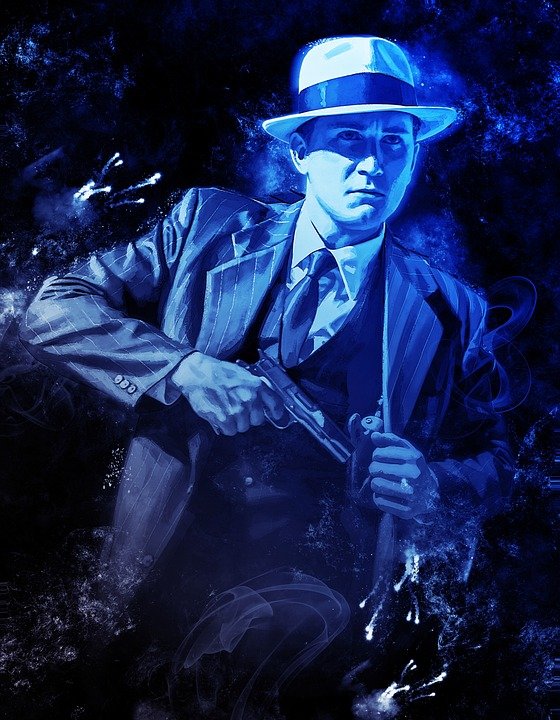
Introduction to Film Noir
Film noir, a cinematic style developed in the United States during the early to mid-20th century, is characterized by its moody aesthetics, moral ambiguity, and complex narrations. The genre derives much of its influence from German Expressionism and the hardboiled crime novels of the 1920s and 1930s. This article explores the transformation of film noir from its silent film origins to its flourishing in the sound era.
The Silent Era: Foundations of Film Noir
Prior to the advent of sound in cinema, filmmakers were already utilizing visual techniques that would later define film noir. Silent film directors such as F. W. Murnau and Fritz Lang pioneered stylistic methods—including chiaroscuro lighting and unusual angles—that would become staples in noir filmmaking.
German Expressionism’s Influence
The themes of alienation and psychological tension prevalent in German Expressionism laid the groundwork for film noir. In films like Nosferatu (1922) and Metropolis (1927), the use of stark contrasts, distorted sets, and exaggerated shadows not only created an eerie atmosphere but also explored the darker aspects of human nature. These German films would heavily influence American directors once sound technologies emerged.
The Dawn of Sound: 1930s Innovations
The introduction of sound in films during the late 1920s marked a pivotal turning point for the film industry. Post-World War I America experienced social change and disillusionment, reflected in the themes of early talkies. While the first full-length talkie, The Jazz Singer (1927), primarily veered towards musical and romantic genres, filmmakers soon began integrating noir elements.
Classic Film Noir: The 1940s to 1950s
It was during the 1940s and 1950s that film noir truly came into its own. A reflection of post-war cynicism, films such as Double Indemnity (1944) and The Maltese Falcon (1941) epitomized the genre’s key characteristics—morally ambiguous protagonists, femme fatales, and convoluted plots. Directors like Billy Wilder and John Huston played critical roles in shaping noir narrative structures, blending suspense with a distinct visual style.
Key Elements of Film Noir
- Visual Style: Use of low-key lighting, high contrast, and deep shadows.
- Character Types: Emergence of the anti-hero and the femme fatale.
- Themes: Exploration of fate, survival, and moral complexity.
Decline and Resurgence: Late 1950s to 1970s
As the 1960s brought cultural revolutions and changes in society, classic film noir began to fade. However, its influence remained, becoming evident in neo-noir films that emerged in the late 1970s. Movies like Chinatown (1974) and Taxi Driver (1976) revived noir aesthetics while adapting them to modern narratives and styles.
Legacy and Modern Interpretations
Today, the legacy of film noir continues to inspire filmmakers across genres. Contemporary works like Blade Runner (1982) and Sin City (2005) showcase noir elements while integrating modern storytelling and technology. The influence of this genre is evident in the stylistic decisions and thematic explorations of various films, ensuring that the essence of film noir remains relevant in contemporary cinema.
Conclusion
The evolution of film noir—from silent films to modern interpretations—highlights the genre’s adaptability and enduring significance in cinematic history. As new technologies and storytelling approaches continue to emerge, the foundational elements of film noir remain a critical influence on filmmakers around the world.






