









The Fragile Pursuit of Normalcy in Gaza
As Gaza emerges from a period marked by conflict, aspirations for normal living conditions are palpable among its inhabitants. Amid a landscape marred by destruction, a mass wedding in Khan Younis has offered a temporary reprieve from the prevailing violence, yet underlying tensions continue to pose serious challenges to peace and stability.
Glimmers of Hope Amidst Ruins
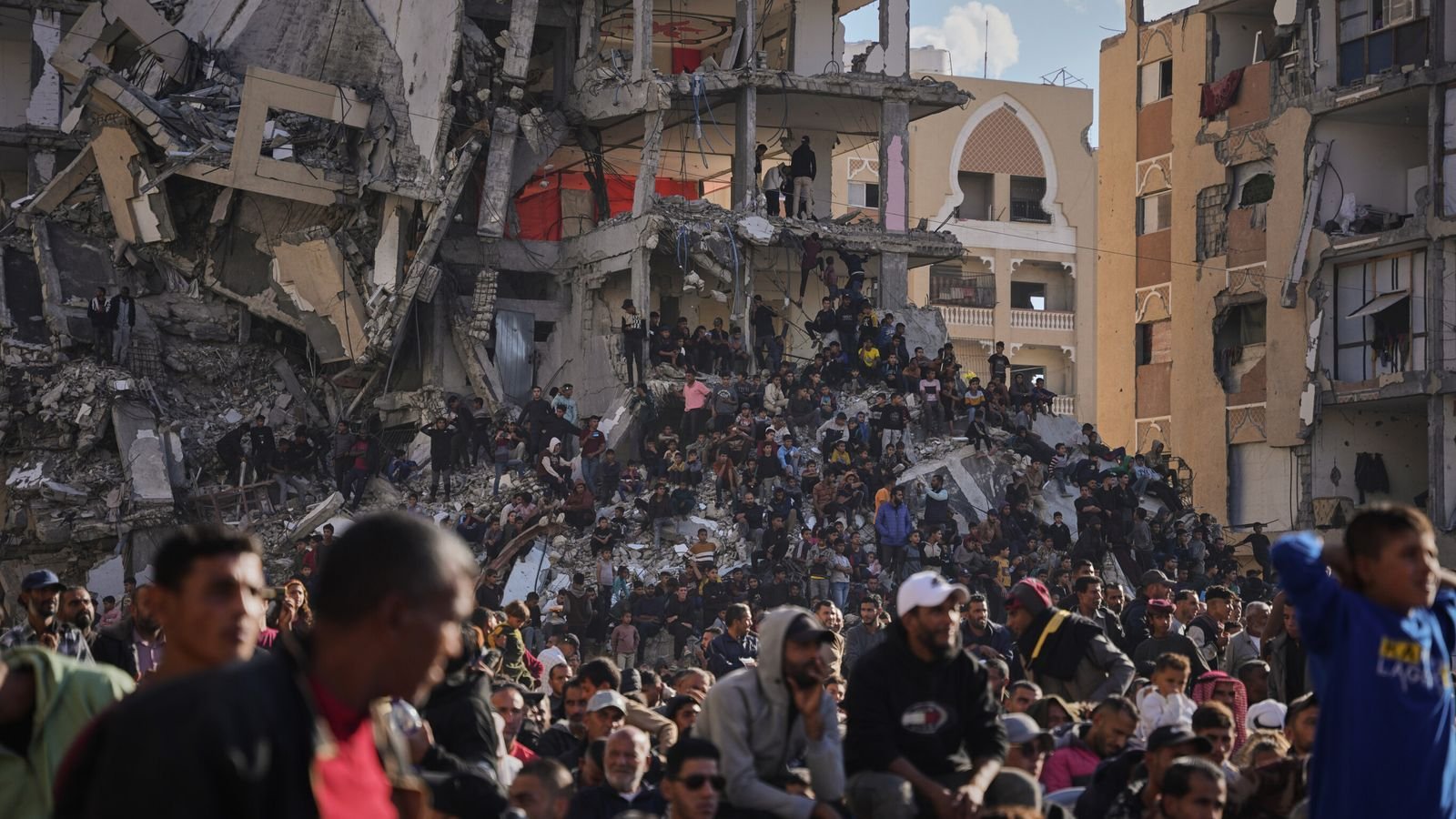
In a striking contrast to the devastation that surrounds them, 54 couples celebrated their marriages in Khan Younis, drawing crowds who embraced the moment as a sign of resilience. Spectators clambered onto damaged structures to witness the joyful occasion, symbolizing a desire for happiness and normality amid the chaos. However, this vivid scene belies the harsh reality that Gaza remains embroiled in conflict, with safety hanging by a thread.
Clouds of Violence Persist
Recent developments have highlighted the tenuous security situation in the region. Reports indicate that Israeli forces sustained injuries due to an attack by Hamas, leading to a predictable military response from Israel involving airstrikes targeting a Hamas official. Unfortunately, these retaliatory measures have resulted in civilian casualties, reigniting the cycle of violence.
Stalemate at Rafah Crossing
In an effort to manage the flow of people in and out of Gaza, Israel has announced plans to open the Rafah Crossing exclusively for exit. However, Egypt has expressed its refusal to cooperate unless the crossing allows for reciprocal travel. This deadlock underscores the complexities involved, particularly as suspicions of Egyptian support for Hamas complicate diplomatic relations.
Power Struggles and Control
Amidst these tensions, Yasser Abu Shabab, a leader of a militant faction opposed to Hamas, was reportedly killed, leading to questions about the control of territory and influence within Gaza. His death may indicate that, contrary to perception, Hamas retains significant power and is rebounding within its stronghold.
Uncertain Future Plans
The recent return of the remains of Sudthisak Rinthalak, a hostage, adds another layer to the intricate geopolitical landscape. With only one remaining hostage yet to be returned, discussions surrounding the next steps for Gaza are intensifying. Proposed plans for a massive influx of aid, disarmament of Hamas, and the establishment of new governance structures remain tentative and fraught with uncertainty.
Challenges Ahead
Numerous challenges lie ahead for the hopes of rebuilding Gaza. With large portions of the territory still under Israeli military oversight and an atmosphere of lawlessness prevailing elsewhere, the pathway to peace appears obstructed. Furthermore, implementing a military supervisory force has been approved by the United Nations, yet operational details regarding its engagement remain unresolved, contributing to concerns over potential conflict between various factions.
Background
The long-standing conflict between Israel and Hamas has deep historical roots, characterised by cycles of violence and failed peace attempts. Recently, hostilities escalated significantly, resulting in widespread destruction and loss of life on both sides. The situation has drawn international attention, with many nations advocating for a resolution, though consistent peace has remained elusive.
Conclusion
The ongoing turmoil in Gaza highlights the complexities of achieving lasting peace in the region. With the return of the last missing hostage looming, a wave of fresh inquiries and potential complications will likely arise, leaving the inhabitants of Gaza facing continued uncertainty and anxiety in their daily lives.
Source: Original Article