























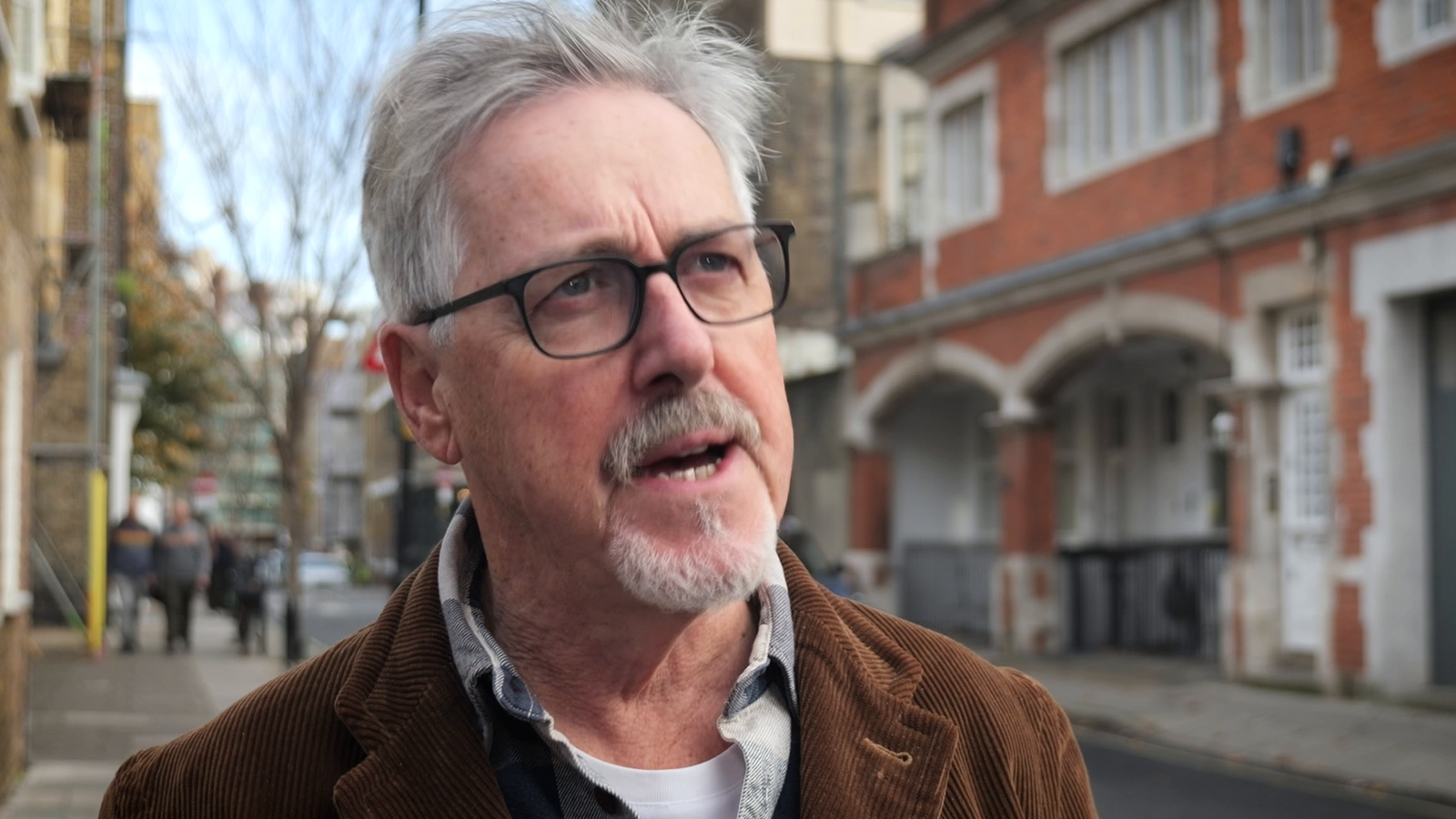
Griff Rhys Jones Calls for Public Engagement in Preserving Historic Buildings
Griff Rhys Jones, the well-known comedian and presenter, is urging the public to participate in safeguarding Britain’s architectural heritage. As president of the Victorian Society, he is advocating for nominations for the organisation’s latest “Top Ten Endangered” list of at-risk structures, highlighting the significance of these buildings in local histories.
The Importance of Preservation
Rhys Jones has been a prominent figure in the campaign to protect the nation’s old buildings for several decades. His efforts have been instrumental in saving notable sites, including the Hackney Empire and Liverpool Street Station. He now seeks to raise awareness about lesser-known, yet historically important, buildings within local communities.
“These structures matter for various reasons,” he remarked. “Understanding their significance is crucial, as they are integral to the narrative and heritage of their respective areas.” His initiative aims to showcase the importance of community involvement in preservation efforts.
Success Stories from Previous Lists
The buildings from last year’s endangered list are on the path to being saved, with various sites like the Kursaal, an iconic coastal landmark in Southend-on-Sea, now closer to preservation. Other buildings on the list included a former vicarage in Liverpool. Rhys Jones underlines the need for greater public awareness about these sites. “When the community believes in their local structures, it plays a vital role in their preservation,” he added.
In a recent success, a derelict former doctor’s surgery in Anglesey, which appeared on the endangered list in 2020, has been transformed into social housing for four families, exemplifying how heritage and community needs can align effectively.
Challenges and Opportunities in Renovation
Despite the growing awareness around conservation, renovating historic buildings often faces financial and technical hurdles. Elizabeth Smith, a distinguished architect, noted that while it can be costly to restore such sites, the outcomes frequently justify the investment. “When restoration is executed correctly, it can yield remarkable examples of architectural reuse,” she stated.
Furthermore, Rhys Jones criticises the notion of urban development that prioritises demolition over renovation, calling it wasteful and unsustainable. He argues that integrating modern developments with historical structures often leads to more vibrant and green urban environments.
The Broader Context of Conservation
The conservation movement emerged in post-war Britain in response to the rapid loss of historic sites, creating a growing urgency to preserve these cultural treasures in light of climate change and local community needs. Smith highlights that historic buildings can contribute to both the preservation of resources and the fostering of community cohesion.
Get Involved
Rhys Jones expresses his continual surprise at the remarkable quality of buildings nominated for preservation. The Victorian Society is currently collecting nominations for its endangered buildings list, with a deadline set for 5 January. This initiative invites everyone to engage in the vital task of conservation and take initiative in safeguarding Britain’s architectural legacy.
Background
The Victorian Society has played a critical role in advocating for the protection of Britain’s architectural heritage since its establishment. Historically, many significant structures have faced neglect or demolition. The call for public involvement in preservation efforts represents a renewed focus on community-driven initiatives and highlights the societal value placed on historical sites across the UK.
Source: Original Article






