























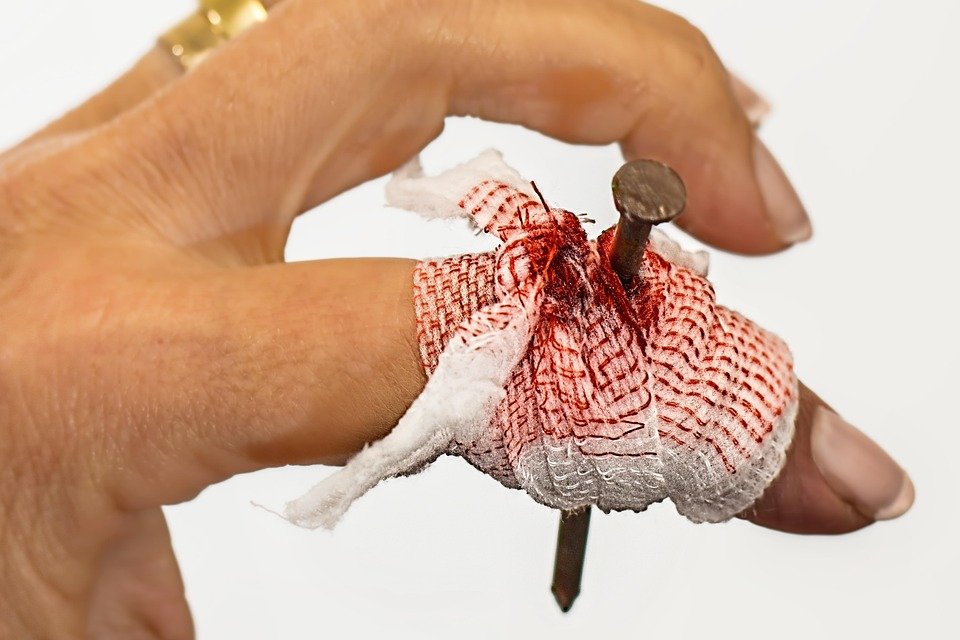
Injuries can happen unexpectedly, whether at home, work, or during sports activities. Understanding how to handle common injuries is essential for ensuring safety and promoting healing. This article provides an overview of basic first aid principles applicable to various common injuries.
Understanding First Aid Basics
First aid refers to the immediate assistance provided to someone injured or ill. The primary goals of first aid are to preserve life, prevent the condition from worsening, and promote recovery. Here are key principles to remember:
- Stay Calm: Remaining composed allows you to act effectively.
- Assess the Situation: Ensure the scene is safe for both yourself and the injured person.
- Call for Help: If the injury is serious, contacting emergency services is critical.
- Know the Basics: Familiarize yourself with common first aid techniques to respond appropriately.
Common Types of Injuries
Several injuries can occur in everyday life, and knowing how to respond can make a significant difference. Here are some common injuries:
1. Cuts and Scrapes
These injuries involve breaks in the skin that can vary in size and depth. Here are steps to handle them:
- Wash your hands to prevent infection.
- Rinse the affected area with clean water.
- Apply a sterile bandage to protect it until it heals.
- Monitor for signs of infection, such as redness or swelling.
2. Burns
Burns can result from heat, chemicals, or electricity. They are classified by severity:
- For minor burns: Cool the burn under running water, cover it with a clean, dry cloth, and avoid using ice.
- For severe burns: Do not immerse the burn or apply ice; cover it loosely with a clean cloth and seek medical help immediately.
3. Sprains and Strains
These injuries affect muscles, tendons, or ligaments and are often caused by sudden movements. To manage sprains and strains, follow the RICE method:
- Rest: Avoid using the affected area.
- Ice: Apply ice packs for 15-20 minutes every few hours.
- Compression: Use an elastic bandage to reduce swelling.
- Elevation: Keep the injured area raised above the heart when possible.
4. Fractures
Fractures involve a break in the bone. If you suspect a fracture:
- Do not move the person unless necessary.
- Immobilize the injury using a splint or make-shift support to prevent further movement.
- Seek medical assistance promptly.
Conclusion
Being prepared and knowledgeable about handling common injuries can significantly impact the outcomes for those affected. While the principles of first aid are straightforward, they can lead to improved safety and recovery. Always remember to seek professional medical help when necessary.






