























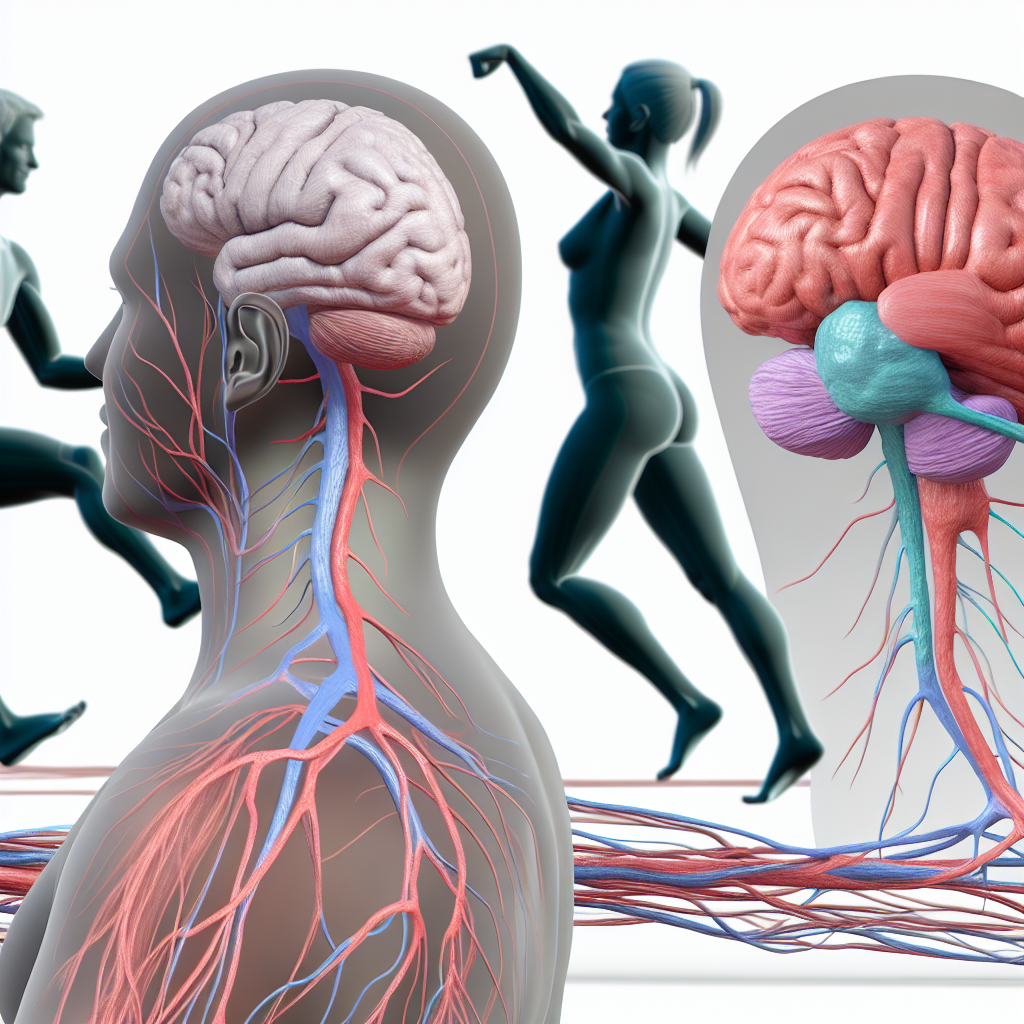
The human body is an intricate system, and at the center of coordinating movement is the nervous system. This complex network is vital for muscle control, allowing us to perform everyday activities, from walking to typing. Understanding how the nervous system operates in coordinating movement can provide insights into the importance of maintaining health and wellness.
The Structure of the Nervous System
The nervous system is divided into two main parts:
- The Central Nervous System (CNS): This includes the brain and spinal cord. The brain serves as the control center, processing information and sending signals throughout the body.
- The Peripheral Nervous System (PNS): This consists of all the nerves outside the central nervous system. It connects the CNS to limbs and organs, and is responsible for relaying messages between the brain and the rest of the body.
How Movement is Coordinated
Movement coordination involves several key steps, facilitated by the interaction between the CNS and PNS:
- Signal Generation: The brain generates a signal based on sensory information. For example, if you decide to pick up a cup, the brain processes the visual and tactile information.
- Signal Transmission: The signal travels down the spinal cord via motor neurons. These neurons are responsible for transmitting commands from the brain to the muscles.
- Muscle Activation: Upon reaching the target muscle, the signal triggers the release of neurotransmitters at the neuromuscular junction. This process initiates muscle contraction.
The Role of Different Nervous System Components in Movement
Several components of the nervous system play crucial roles in muscle control:
- Motor Neurons: These nerve cells carry signals from the CNS to the muscles, facilitating movement.
- Sensory Neurons: These neurons relay information from sensory receptors (like those in the skin and muscles) back to the CNS, helping the body adapt movements based on feedback.
- Interneurons: Located in the CNS, they are essential for processing signals and generating appropriate responses, particularly in reflex actions.
Reflex Actions: An Example of Coordination
Reflex actions are automatic and rapid responses to stimuli. They illustrate how the nervous system coordinates movement without conscious effort. For example, when touching a hot surface, sensory neurons send a message to the spinal cord, which immediately activates motor neurons to withdraw the hand, all without the brain’s direct involvement.
Maintaining Nervous System Health
While the nervous system operates automatically, several practices can support its health, enhancing overall muscle control and coordination:
- Regular Physical Activity: Engaging in regular exercise promotes nerve health and improves communication between the CNS and muscles.
- A Balanced Diet: Nutrients found in a variety of foods support overall nervous system function, including vitamins and minerals essential for neurotransmitter production.
- Stress Management: Reducing stress through practices like mindfulness, yoga, or adequate sleep can positively impact nervous system health.
In summary, the nervous system plays a vital role in coordinating movement and muscle control through its structured network. By understanding this system and taking steps to maintain its health, individuals can promote better movement and overall well-being.






