























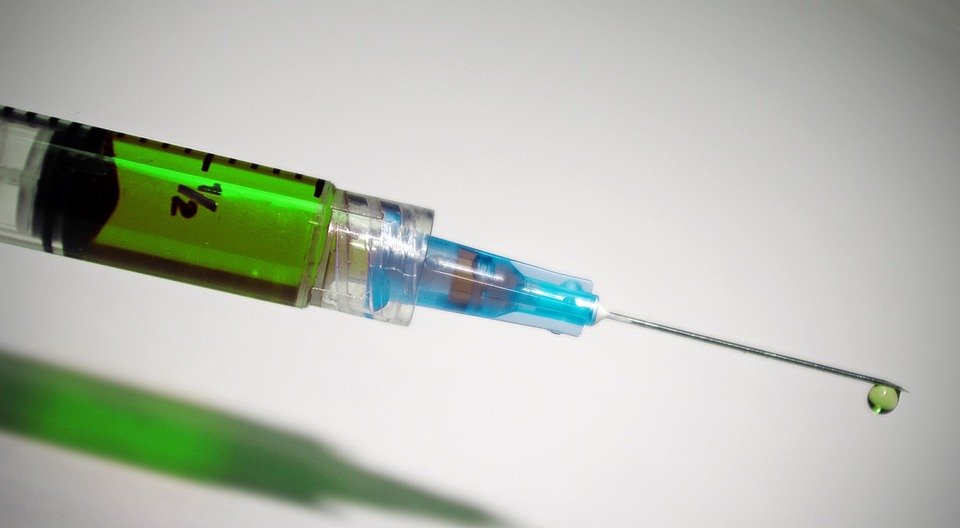
Vaccines are an essential tool for promoting public health and preventing infectious diseases. They work by simulating an infection, training the immune system to recognize and combat pathogens effectively. This article provides a comprehensive overview of how vaccines help create immunity.
Understanding Immunity
Immunity refers to the body’s ability to recognize and defend against pathogens such as viruses and bacteria. The immune system is made up of various cells and organs that work together to identify harmful invaders and eliminate them. There are two main types of immunity:
- Innate Immunity: This is the body’s first line of defense, providing immediate but non-specific protection against pathogens.
- Adaptive Immunity: This is a specialized response that develops over time. It involves the creation of antibodies that target specific pathogens.
How Vaccines Work
Vaccines prepare the immune system to fight disease without causing the disease itself. They contain harmless components of pathogens, such as:
- Inactivated or killed viruses: These are pathogens that have been rendered non-infectious.
- Live attenuated viruses: These are weakened forms of the bacteria or virus.
- Subunit, recombinant, or conjugate components: These include specific pieces of the pathogen, such as proteins or sugars.
When a vaccine is administered, it stimulates the immune system to produce a response similar to an actual infection. This response includes:
- Activation of B cells: These cells produce antibodies that specifically target the pathogen.
- Activation of T cells: These cells help destroy infected cells and coordinate the immune response.
The Benefits of Vaccination
Vaccination provides several important benefits for individuals and communities, including:
- Preventing Disease: Vaccines significantly reduce the risk of contracting various infectious diseases.
- Herd Immunity: When a large portion of the population is vaccinated, it protects those who cannot be vaccinated, such as individuals with certain health conditions.
- Reducing Disease Transmission: Widespread vaccination contributes to lower rates of transmission, reducing the overall incidence of disease.
Conclusion
Vaccines are a crucial public health measure that helps create immunity against infectious diseases. By training the immune system to recognize and combat pathogens, vaccines not only protect individuals but also contribute to the health of the broader community. Understanding how vaccines work and their benefits is key to appreciating their role in modern medicine.






