























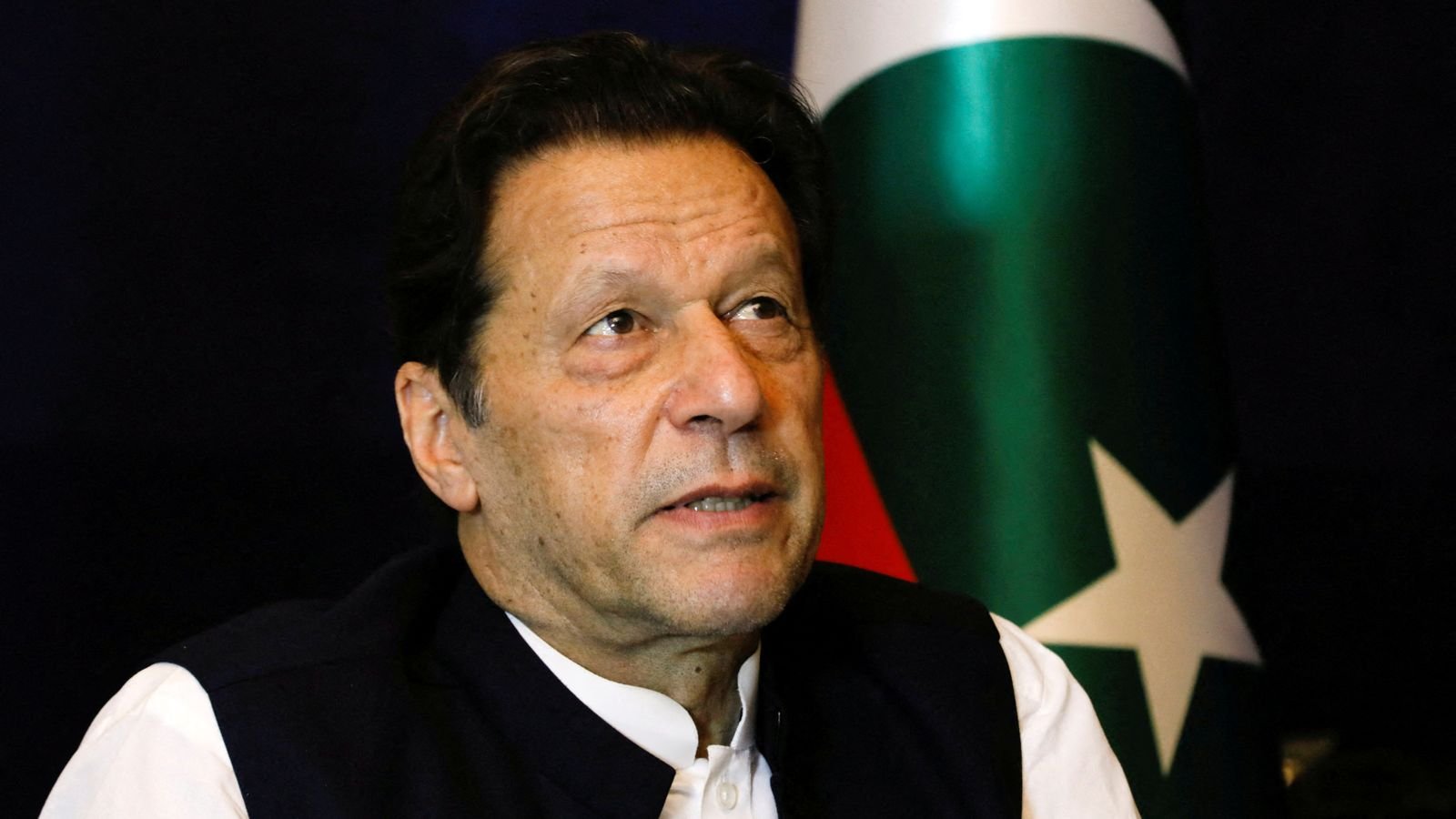
Imran Khan Faces Isolation in Jail, Says Family
Imran Khan, the former Prime Minister of Pakistan, is reportedly experiencing significant isolation in prison, according to his sister, Uzma Khanum. Following his arrest in August 2023 for allegedly unlawfully selling state gifts, Khan’s family has faced numerous challenges in maintaining contact with him.
Limited Family Contact
Uzma Khanum confirmed that she was the only family member granted permission to meet Khan in Adiala jail, located in Rawalpindi. During her visit, she raised concerns about his wellbeing, noting that he has faced ongoing restrictions on family access for several weeks. Supporters of Khan’s political party, Pakistan Tehreek-e-Insaf (PTI), have gathered outside the prison to protest against the conditions of his detention.
Conditions of Detention
Ms. Khanum observed that Khan, who is 73, is coping physically but is undergoing psychological stress due to prolonged confinement. She mentioned that although he is not in bad physical health, his time outdoors is severely limited, and he is unable to communicate freely with others.
Authorities assert that Khan is receiving the same rights as any other inmate and have denied allegations of mistreatment. However, reports indicate that PTI leaders have been unable to visit him regularly, despite existing court orders that would permit such visits.
Political Context
Imran Khan served as Pakistan’s Prime Minister from 2018 until 2022 and has claimed that the charges brought against him are politically motivated, aimed at thwarting his political ambitions. His wife, Bushra Bibi, is also imprisoned on corruption charges, yet they are only allowed to see each other during court appearances, according to Khan’s supporters.
Background
Khan’s arrest has sparked significant controversy and unrest among his supporters, many of whom see it as part of a broader political strategy by the current government to suppress dissent. The situation highlights the ongoing political turmoil in Pakistan, which could have ramifications beyond its borders, including implications for international relations and foreign policy in the region.
Source: Original Article






