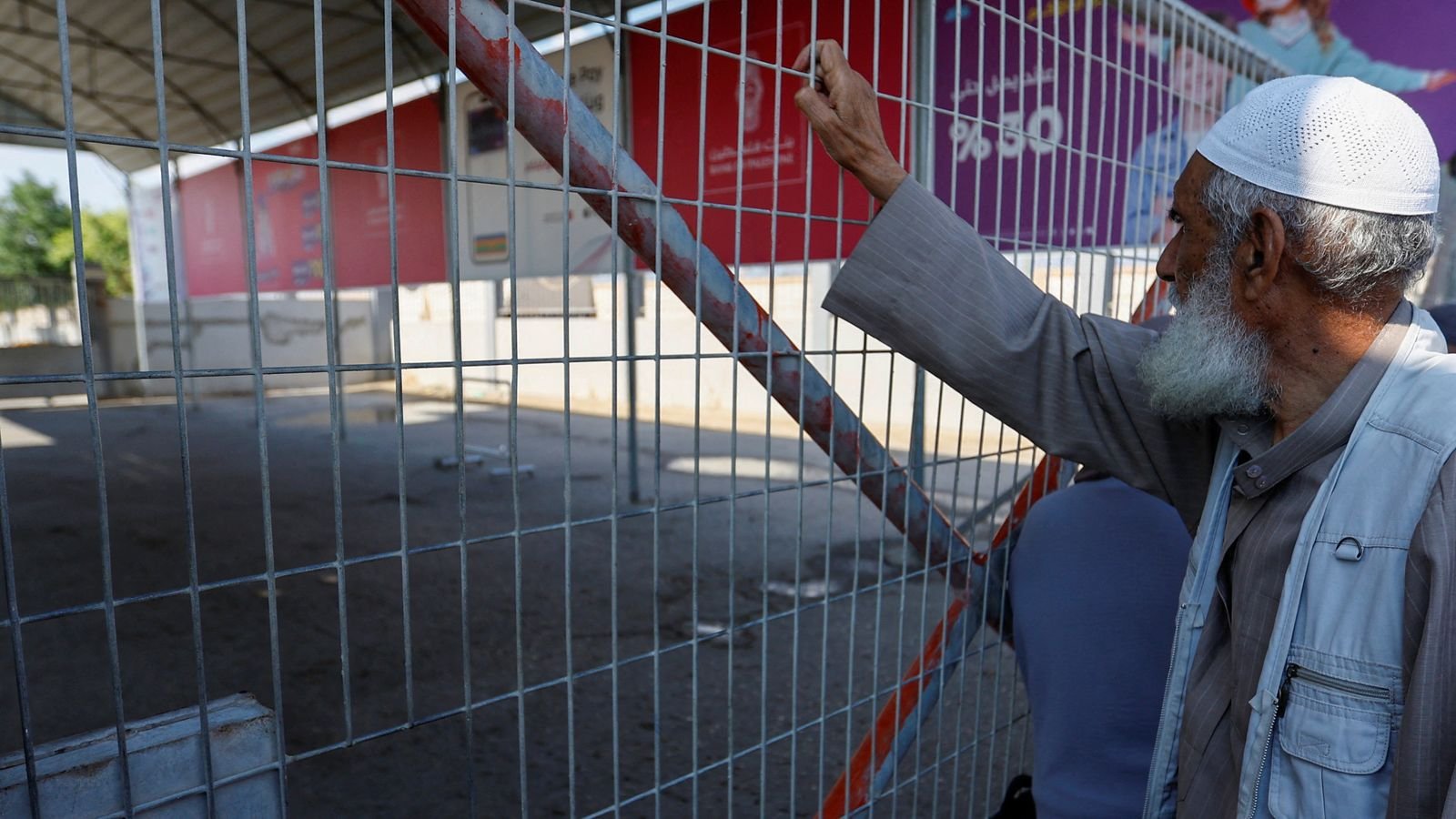
Israel Plans to Open Rafah Crossing for Medical Evacuations
Israel has announced plans to open the Rafah crossing in the near future, allowing residents of Gaza to cross into Egypt. This development comes amid concerns that the return of partial human remains could hinder ongoing ceasefire negotiations between Israel and Hamas.
Ceasefire Negotiations at a Crossroads
The ongoing ceasefire between Israel and Hamas is at a precarious point, with the discovery of two hostages’ remains potentially stalling progress. Israeli authorities claim that these remains do not correspond to the hostages taken earlier this year. The ceasefire, which has allowed for the exchange of hostages and the return of remains, is approaching the end of its first phase.
Details on the Rafah Crossing Arrangement
Though a specific timeline has not been disclosed, officials from Israel’s Coordination of Government Activities in the Territories (COGAT) state that the crossing will open for Gaza residents. The arrangements will be managed in coordination with Egypt and under the supervision of a European Union mission. COGAT has clarified that the opening is contingent upon Israeli security approval and is primarily aimed at permitting medical evacuations and travel needs.
According to anonymous Israeli officials, all Palestinians will be given the opportunity to exit through the Rafah crossing, provided that Egypt is willing to accept them. The European Union is currently making necessary logistical changes to facilitate the crossing’s opening.
Humanitarian Context and the Need for Medical Evacuations
The situation in Gaza is dire, with over 16,500 individuals requiring urgent medical attention, as reported by the World Health Organization. The Rafah crossing is crucial since it is the only viable exit point for Gazans not directly controlled by Israel. Historically, Rafah has been subject to prolonged closures, and when operational, its opening can be abrupt, causing uncertainty for those seeking to pass through.
Background on Recent Developments
Rafah was closed in May 2024 following an Israeli military operation but saw a brief reopening in February of this year to facilitate medical evacuations under a prior ceasefire agreement. Since the beginning of the current ceasefire in October, Israel has managed to secure the return of 20 living hostages, alongside the remains of 26 others, demonstrating the complexities of the ongoing negotiations. The health ministry in Gaza has reported receiving a total of 330 remains thus far, while the exchange mechanism has involved releasing 15 Palestinian bodies for each hostage returned.
The ramifications of these developments extend beyond the immediate humanitarian needs in Gaza, impacting broader geopolitical dynamics and international relations in the region.
Source: Original Article