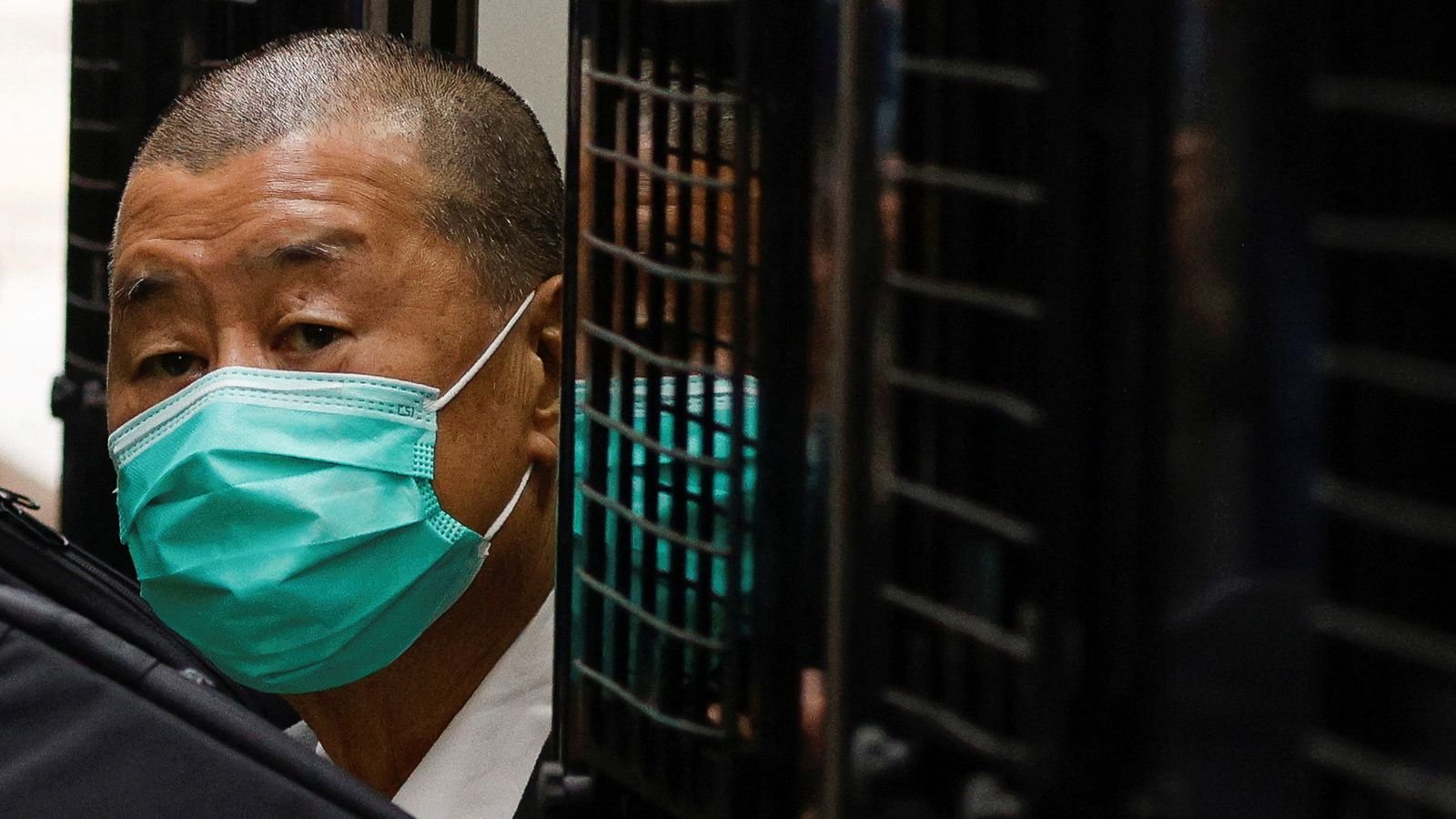
Pro-Democracy Campaigner Jimmy Lai: A Life of Resistance
Jimmy Lai, a prominent voice for democracy in Hong Kong, has faced significant legal challenges as a result of his activism. Founded in 1997, his newspaper Apple Daily became a beacon for pro-democratic sentiments, but Lai’s recent arrest and subsequent charges under national security laws have brought global attention to his plight.
Early Life and Rise to Wealth
Born in mainland China before fleeing to Hong Kong at just 12 years old, Lai’s early experiences shaped his later activism. After stowing away on a fishing vessel, he began his working life as a child labourer in the garment industry. Over time, he established a successful fashion business, creating the brand Giordano, which contributed to his wealth.
Becoming a Voice for Democracy
The 1989 Tiananmen Square protest propelled Lai into political advocacy. Following this historic event, he transitioned from business to journalism, determined to fight for political reform. Ahead of Hong Kong’s handover from British to Chinese rule in 1997, he launched the Chinese-language publication Apple Daily, aiming to safeguard press freedom and encourage open discourse.
Apple Daily quickly gained a reputation for its staunch pro-democracy stance and often critiqued the Beijing authorities. Lai became a British citizen in 1994, although he has never held a Chinese or Hong Kong passport, which has contributed to the complex perception of his identity among local authorities.
Recent Developments
Lai’s activism reached a turning point during the pro-democracy protests in Hong Kong in 2019, triggered by increasing restrictions imposed by Beijing. His newspaper provided unwavering support for the demonstrators, openly opposing governmental reforms.
In August 2020, authorities raided Apple Daily’s offices, leading to Lai and his sons’ arrest. Initially granted bail, Lai’s situation deteriorated in December when he was taken into custody again and charged with fraud. These developments followed his vocal opposition to the national security laws enacted by the Chinese government in 2020, which he openly protested.
By mid-December 2020, Lai was convicted of collusion with foreign forces and conspiracy to publish seditious materials. His sentences and ongoing imprisonment highlight the broader implications of Hong Kong’s freedom of expression and civil rights under the shifting political landscape.
Background
Jimmy Lai’s case resonates significantly beyond Hong Kong and speaks to the growing concerns about human rights in China. As one of the key figures in the pro-democracy movement, Lai represents a larger struggle against governmental oppression. His situation reminds the world of the challenges faced by activists in regions where freedom of speech is under threat.
For further insights into Jimmy Lai’s journey as a ‘prisoner of conscience’ and the ongoing struggles in Hong Kong, visit the full article here.
Source: Original Article